


Every great shot you have ever loved was decided long before anyone pressed record. On a real set there is no time to “figure it out”. The camera team walks in already knowing what every frame will look like, and why.
That planning is called pre-production. In our Cinematography Masterclass with Gordon, Akhil Kumar Yadav (InsideAKY), VFX Director and founder of Inside, uses Gordon, a student short film, as the real example. The first twelve minutes walk through how the short film Gordon was planned, from the first read of the script to the last battery packed the night before. Here is that process, turned into a simple pre-production checklist you can use on your own next film.
Jump to a chapter:
- 1:54 Script & visual concept
- 2:31 Colour palette & design
- 3:22 Shot list & moodboard
- 6:44 Location scouting & mock shoots
- 9:17 Equipment preparation
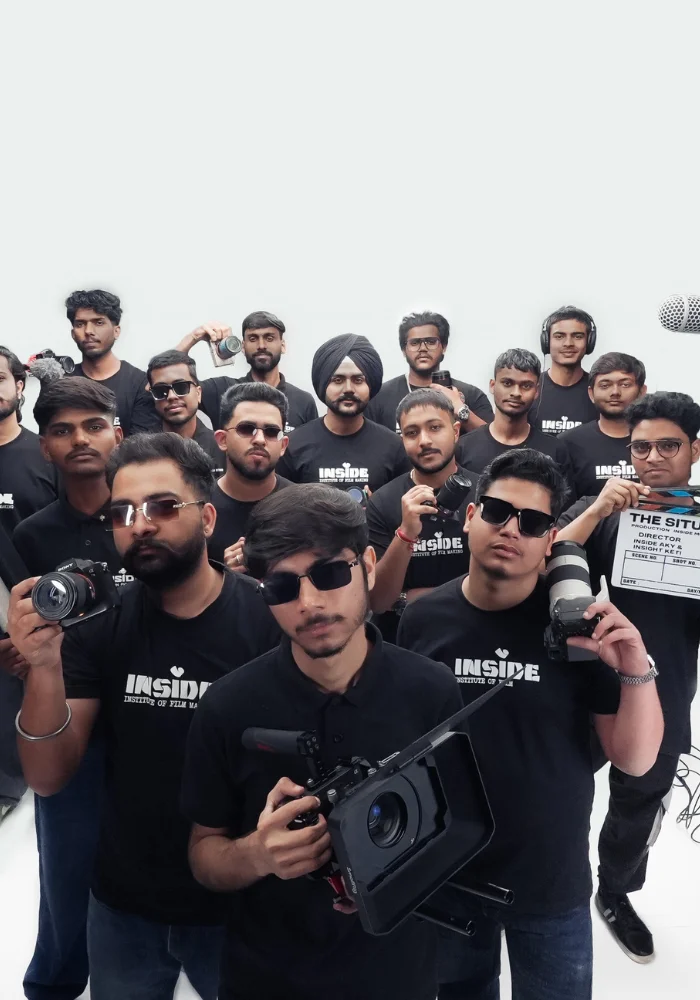
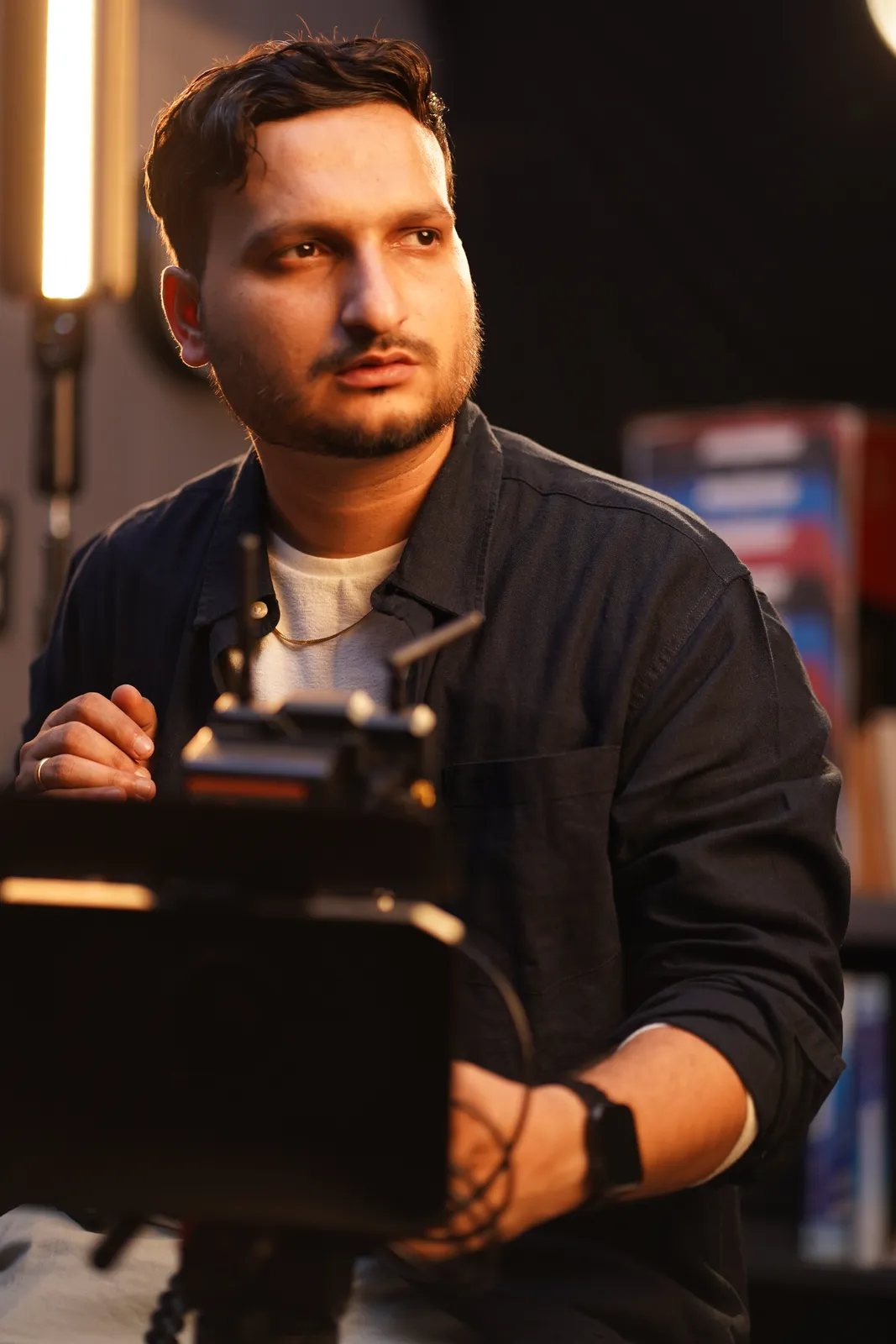
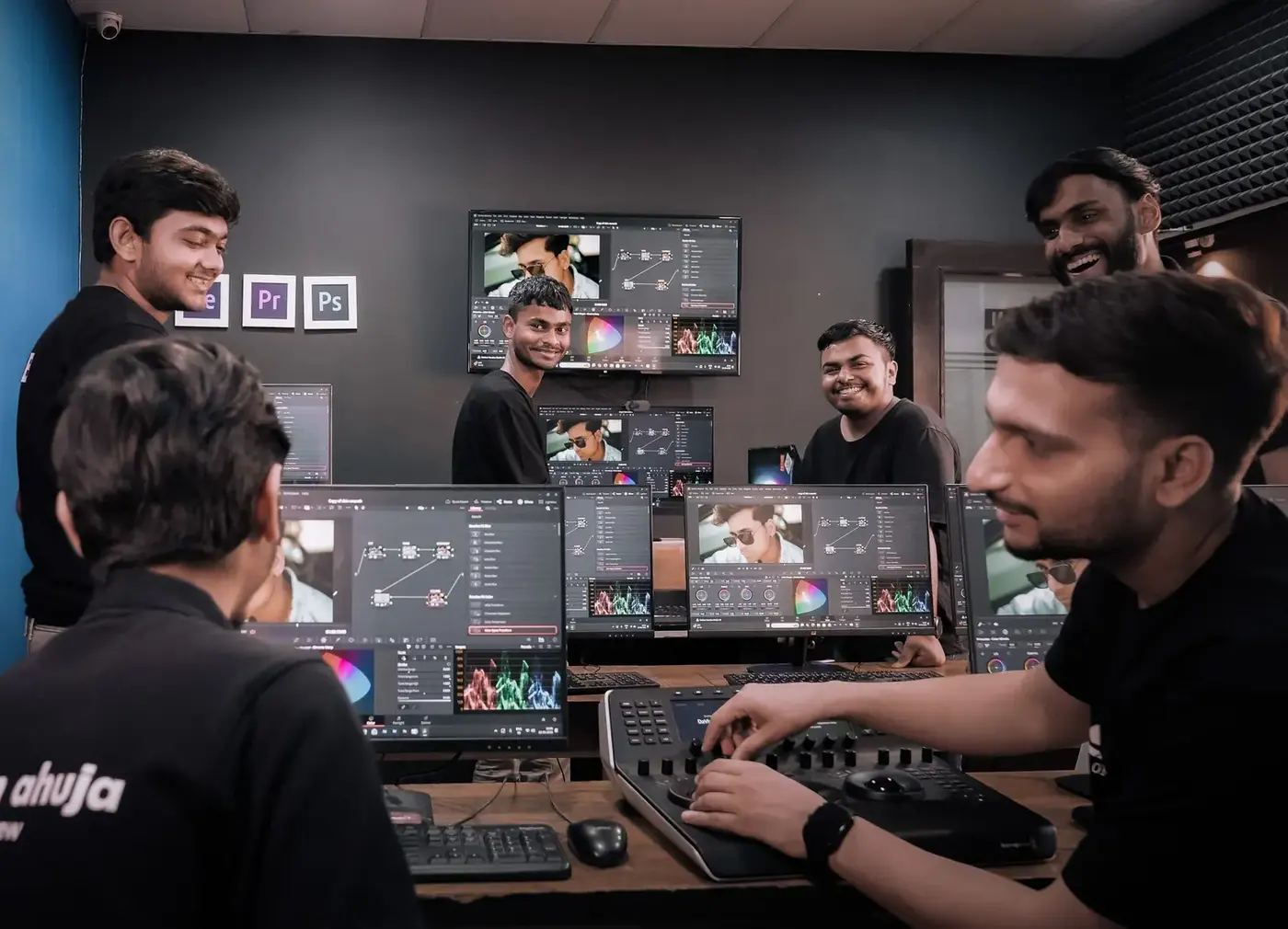
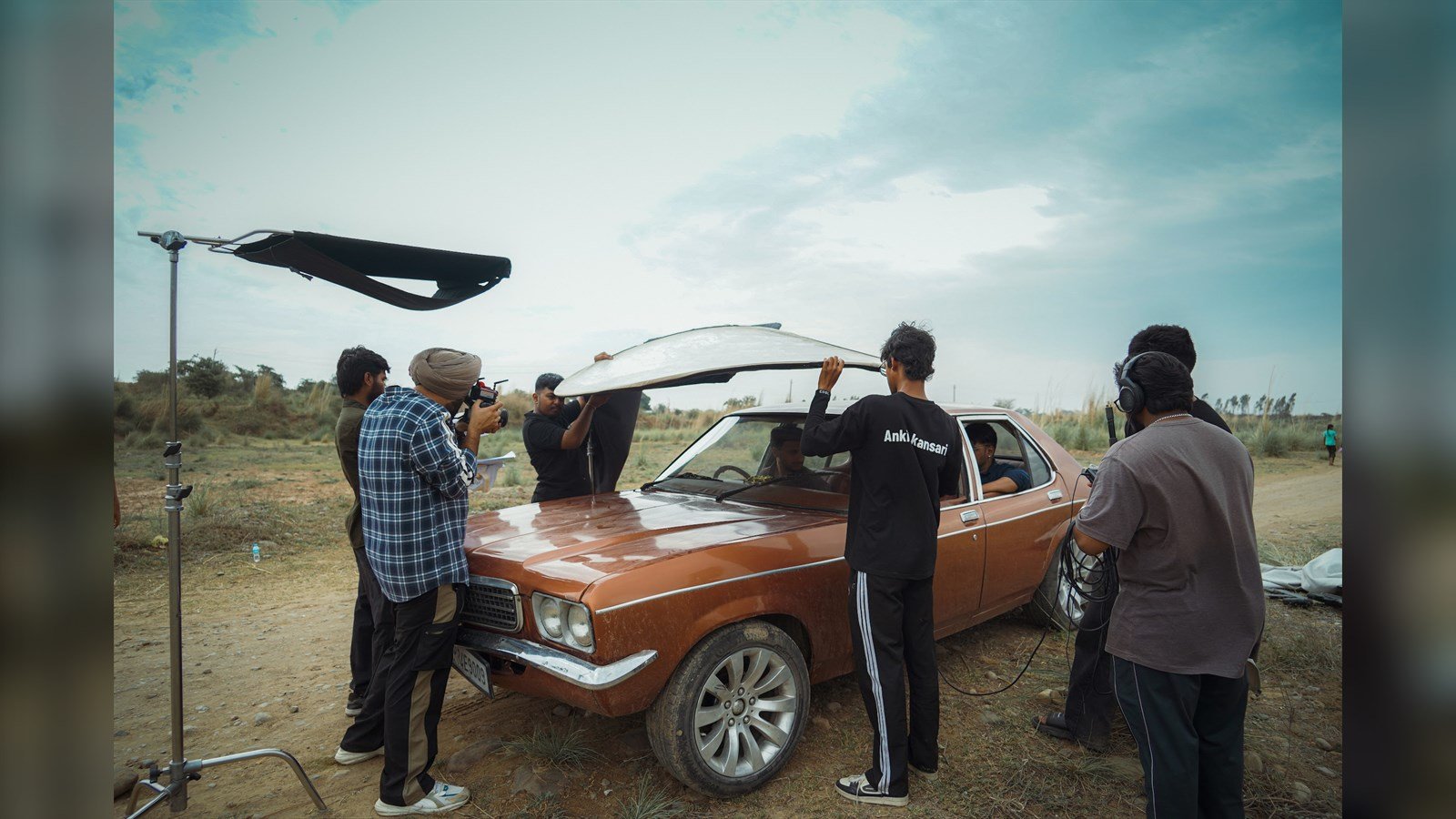
Made by IFI students: the masterclass video itself was shot by Inside Film Institute students. Director Pratham, assistant director Gagan, art director Avinash, DOPs Dishant and Dushant, editing and sound design by Dushant, and sound recording by Sukumar.
Start with the script, not the camera
Beginners often start with the question “which camera should I use?” A cinematographer starts with a different one: what should this story feel like?
Read the script a few times. First as an audience member, just to feel it. Then as the camera person, scene by scene. For each scene, write one line: what is the character going through, and what should the viewer feel? Lonely, trapped, tense, free? That one line becomes your visual concept. Every later choice (lens, angle, light, colour) has to serve it.
Gordon is a crime-thriller set in a lonely, empty land, so the look had to carry that isolation and tension. Watch this part at 1:54.
Choose a colour palette before you shoot
Colour is not only a grading job at the end. If the film should feel dry and harsh, there is no point in shooting green fields and blue walls and hoping the colourist fixes it.
Pick 3–4 main colours for the film. Then share them with the art director and the costume team, so locations, props and clothes all sit inside that palette. When the camera rolls, half the “cinematic look” is already in front of the lens. Watch this part at 2:31.
Make a shot list and a moodboard
This is the heart of pre-production, and the longest chapter of the video for a reason.
A shot list is every shot of the film written down, in order, before the shoot. A simple version has these columns:
- Scene and shot number
- Shot size (wide, mid, close-up)
- Angle and camera movement
- Lens
- What happens in the shot (action or dialogue)
- Notes: light, props, anything special
A moodboard is a page of reference images: frames from films, photos, paintings, colours. It shows the whole team the feeling you are going for. Words like “dark and moody” mean something different to every person. A picture means the same thing to all of them.
Together, these two pages let the director, DOP, art team and actors walk onto set with the same film in their heads. In the masterclass you can see the real Gordon shot-list sheets on screen. Watch this part at 3:22. If you’re still learning shot sizes, our guide on how to frame a shot will help.
Scout the location and do a mock shoot
A shot list written at home meets reality at the location. The sun may be behind the actor at the time you planned. A wall may be too close for your wide shot. The road may be noisy.
That is why you go on a recce (a location visit) before the shoot. Visit at the same time of day you plan to shoot. Note where the sun will be, where power is, where the team can park and rest. Then do a mock shoot: take a phone or small camera, stand in for the actors, and shoot rough versions of your key frames. Problems you find on a mock shoot cost nothing. Problems you find on shoot day cost the whole day.
For Gordon, the location came from a classmate’s village. You can read that story in Gordon: our students’ first project as heads of department. Watch this part at 6:44.
Prepare the equipment the day before
Once you know every shot, you know exactly what gear you need, and nothing extra. Make the list from your shot list: camera body, lenses, support (tripod, gimbal, slider), lights and modifiers, sound, and power.
Then test everything the day before: charge every battery, format the cards, check each lens, and switch on every light. A shoot in an empty field is no place to discover a dead battery. Watch this part at 9:17. Not sure whether to buy or rent? Read buy or rent a camera for filmmaking.
Your pre-production checklist
- Script read; one feeling line for every scene (visual concept)
- 3–4 colour palette, shared with the art and costume teams
- Shot list: every shot, with size, angle, movement and lens
- Moodboard shared with the whole team
- Recce at the shooting time of day; sun, power and sound noted
- Mock shoot of the key frames
- Gear list made from the shot list; everything charged and tested
Once this is done, the shoot itself is where the fun starts: framing, angles, the 180° rule and lighting. That’s the second half of the masterclass (from 12:21), and our next blog in this series: camera angles, the 180° rule and cinematic lighting. Until then, see camera movement in film and motivated lighting.
Watch: storyboards and shot lists in practice
A storyboard is a set of simple drawings (or frames) of each shot, made before the shoot, so everyone sees how the final film will look. Here is how our students storyboard a short film:
For an ad film we made, the storyboard mixed AI with our own inputs and frames we shot during the recce:
Watch: Storyboard for an ad film (Instagram)
And a short clip from our cinematography masterclass on how to create a shot list:
Frequently asked questions
What is pre-production in film?
Pre-production is all the planning before the shoot: reading the script, deciding the look, making the shot list and moodboard, scouting the location and preparing the gear. On a real set, every frame is decided here.
How do you make a shot list for a short film?
Write down every shot in order before the shoot. Use simple columns: scene and shot number, shot size, angle and camera movement, lens, what happens in the shot, and notes on light or props.
What is the difference between a shot list and a moodboard?
A shot list tells the team what to shoot, shot by shot. A moodboard is a page of reference images (film frames, photos, colours) that shows how the film should feel. Use both.
What is a recce in filmmaking?
A recce is a location visit before the shoot. Go at the same time of day you plan to shoot, note the sun, power and sound, and then do a quick mock shoot of your key frames on a phone.
What should be on a pre-production checklist?
A script read with one feeling line per scene, a 3–4 colour palette, a shot list, a moodboard, a recce, a mock shoot, and a gear list made from the shot list, with everything charged and tested the day before.
Learn it on a real set
Reading a checklist is a start. Doing it for a real film, with a real crew and a real deadline, is how it becomes yours. At Inside Film Institute, students plan and shoot real projects like Gordon in the Pro Filmmaking, Cinematography and Pro Cinema courses. If you love cinema and want to learn it by doing, start here:
We Love Cinema.
Rate this blog
Know someone who loves cinema? Send them this.
Comments
No comments yet. Be the first to share a thought.


