






So, let’s talk about something that I think is extremely important for every cinematographer: how do you properly light a scene with motivation? And before we get into the technical side, I want you to understand one thing: there is no single correct way to light a room.
In fact, there can be millions of different ways to light the exact same room.
I can give the same room to five different cinematographers, and all five can create completely different images.
One person might make it bright and soft. Another person might make it dark and contrasty. Someone might use warm light. Someone else might use cold light.
And all of them can be correct.
Why? Because lighting is not just about making a room look beautiful. Lighting is about the story.
What is the story telling you?
The first thing I usually ask myself when I enter a location is: “What is the story telling me?”
- What time is it?
- Where is the character?
- What is the character feeling?
- What is happening in the scene?
And most importantly: where is the light coming from?
Where is the light coming from?
Let’s say I’m shooting a scene in a bedroom. There is a window on one side. Maybe it’s morning.
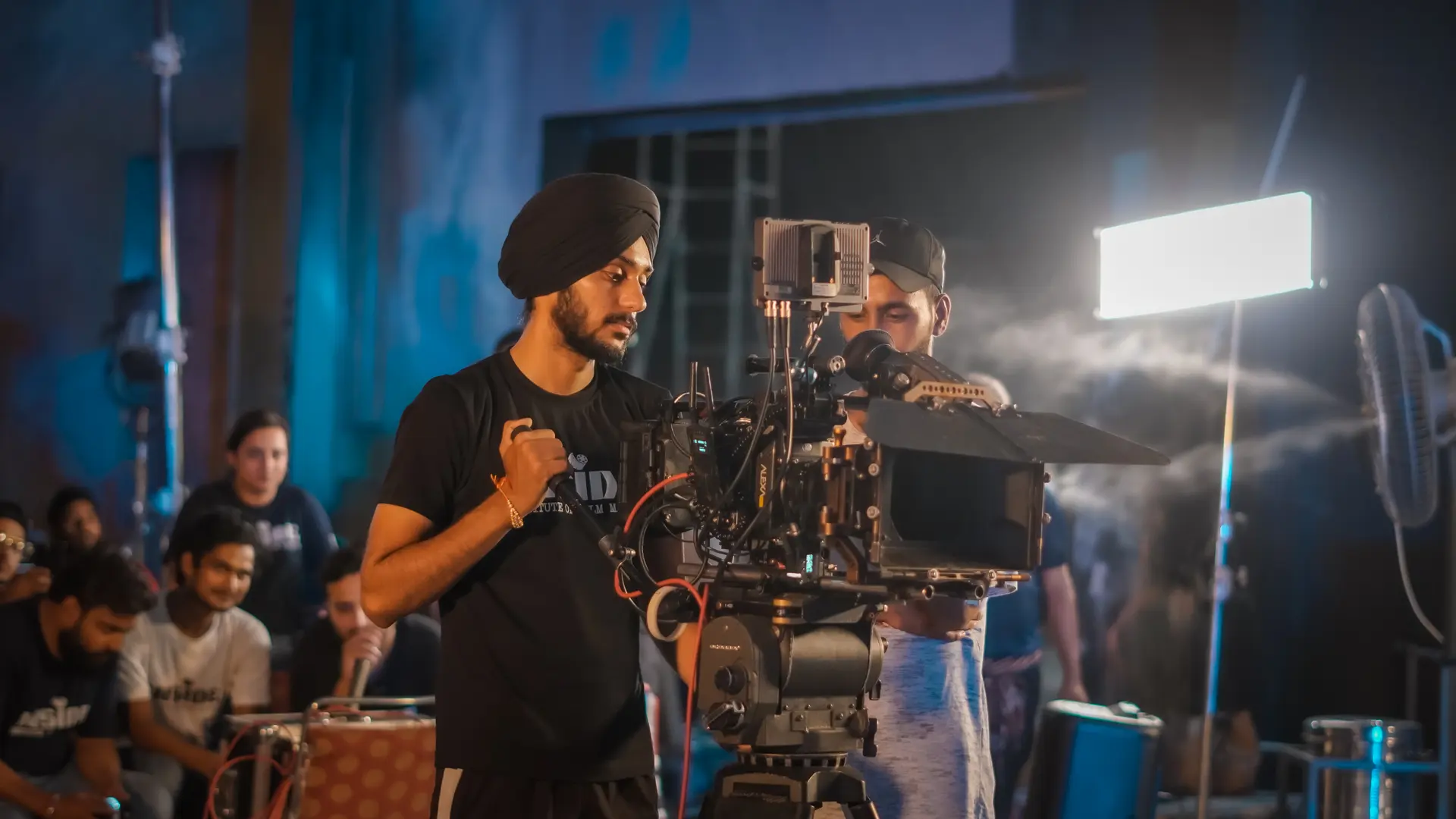
So naturally, I have sunlight coming through that window. That becomes my motivation.
I can now take a large light outside the window, push it through diffusion, bounce it, control it, whatever I need to do.
But the audience should feel: “Yes, this light is coming from that window.”
That’s motivated lighting.
I’m not just putting a light there because I have a light. I’m giving the light a reason to exist.
Why does the background matter as much as the actor?
Now, when you’re lighting a scene, don’t only think about the person.
A lot of beginners make this mistake. They put a key light on the actor, make the face look good, and forget about everything behind the actor.
But remember: the background is also part of your image.
You can use practical lights, windows, lamps, shadows, negative fill, colour contrast, different levels of exposure. All of these things can help you create depth in the background.
Because sometimes the background can tell us as much about the story as the character does.
How does lighting change the way we feel about a face?
Now let’s come to the face. The way you light a face can completely change how we feel about that character.
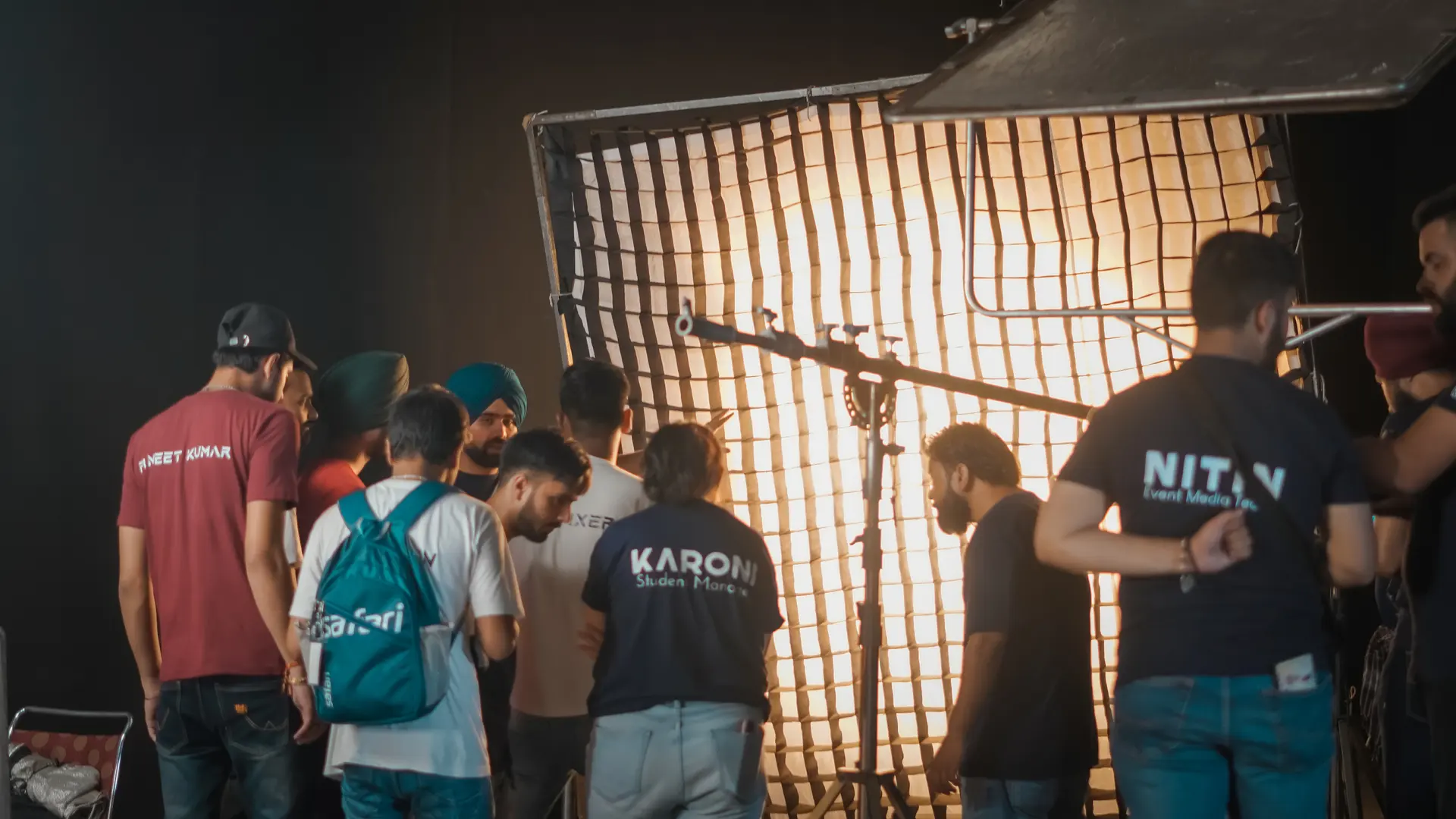
Imagine I light someone’s face with a very soft, beautiful light. The character might feel friendly, emotional, romantic or vulnerable.
Now take the same person and give them a hard light from the side. Create deep shadows. Increase the contrast.
Suddenly, the same face can feel mysterious, dangerous, lonely or even disturbing.
Same person. Same room. Different lighting. Completely different emotion.
And that’s why I always say: don’t light the face just because you want the face to be visible.
Ask yourself: “What do I want the audience to feel when they look at this person?”
That’s a much more important question.
Why does the story come first?
Now, another thing I want you to remember is: story comes first.
- If you’re shooting a romantic scene, your lighting might be soft, warm and gentle.
- If you’re shooting a thriller, maybe you want harder shadows, more contrast and darkness.
- If you’re shooting a comedy, maybe the lighting is much more open and evenly exposed.
- If you’re shooting a dramatic confrontation, you might want to create strong separation between the characters.
So don’t start with: “I have a 600D. Where should I put it?”
Start with: “What is happening in this scene?” Then decide what equipment you need.
How do you find the source of light?
And this is where I think common sense becomes extremely important.
Sometimes cinematography is not about knowing 500 lighting techniques.
Sometimes it’s simply about looking at the room and asking: “If I was actually standing here, where would this light come from?”
- If there’s a window, that’s a source.
- If there’s a table lamp, that’s a source.
- If there’s a tube light on the ceiling, that’s a source.
- If there’s a TV, that’s a source.
- If it’s nighttime and there’s a streetlight outside, that can be your source.
Once you identify the source, you can exaggerate it, shape it and control it.
Does motivated lighting have to be realistic?
And remember: motivated doesn’t mean that everything has to be 100% realistic.
As cinematographers, we are constantly cheating reality.
We might put a huge light outside a window that doesn’t actually exist. We might increase the intensity of a practical light. We might add a little blue light from outside. We might add negative fill to create more contrast.
The audience doesn’t need to know what we did. They just need to believe why the light is there.
What is the difference between naturalistic and expressionistic lighting?
Now, there is another very important distinction: naturalistic lighting versus expressionistic lighting.
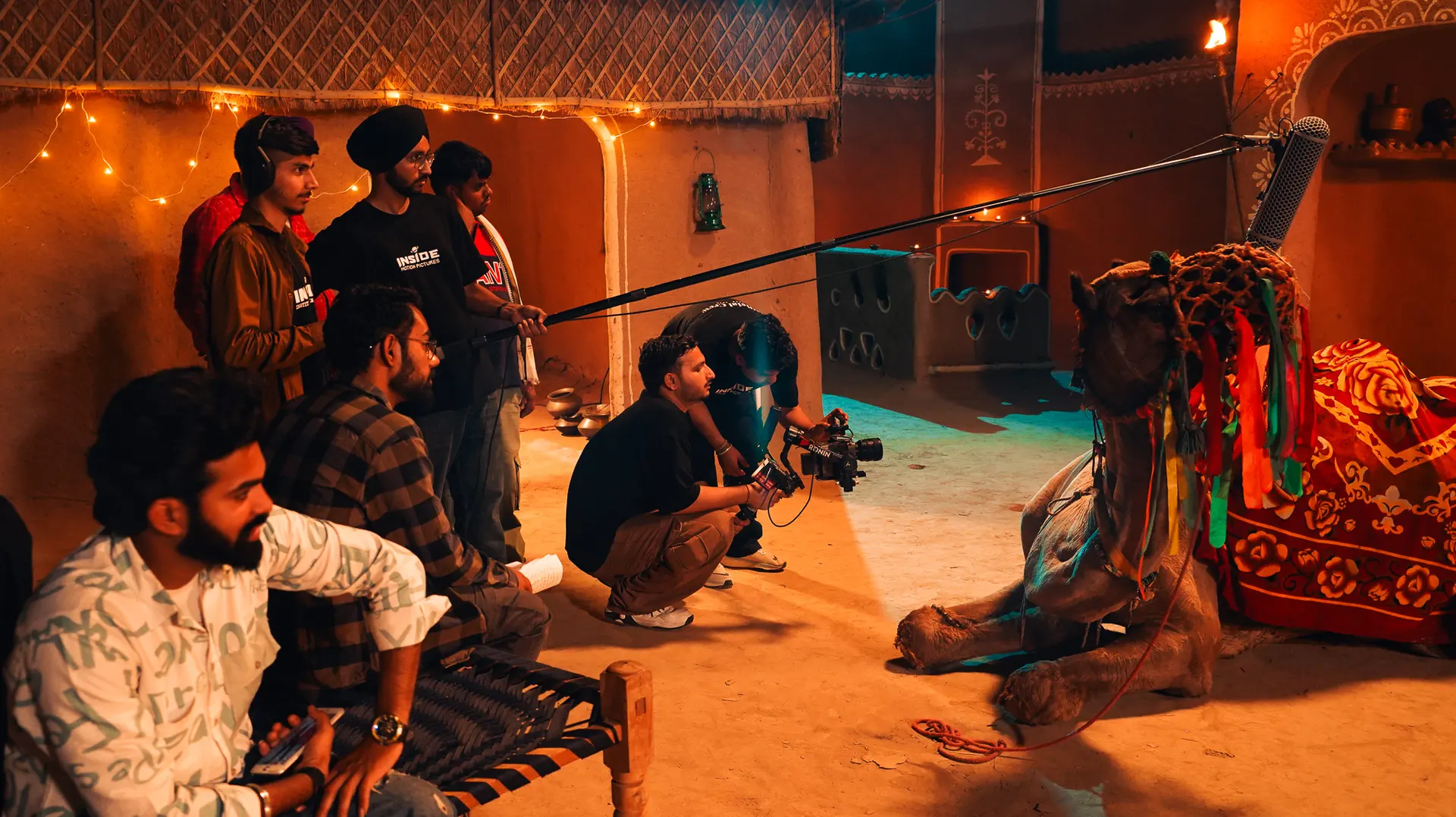
Naturalistic lighting tries to make the lighting feel believable.
You look at the scene and think: “Yes, I believe this is where the light is coming from.”
It doesn’t necessarily mean the lighting is completely realistic. It means it feels believable within the world of the story.
Expressionistic lighting is different. Here, we’re using light deliberately to express something.
Maybe we use an unusual colour. Maybe we create very deep shadows. Maybe we light only half of someone’s face. Maybe we create a strong silhouette.
Maybe the lighting doesn’t look realistic at all, but it communicates the character’s psychology, fear, loneliness, tension or emotional state.
And that’s the beauty of cinematography.
You don’t always have to reproduce reality. Sometimes you have to create a visual language for the story.
Lighting is learned on set. Rahul Suthar came to IFI for VFX but worked in the camera team on Dada Ka Khazana, and that camera work made him a better VFX artist.
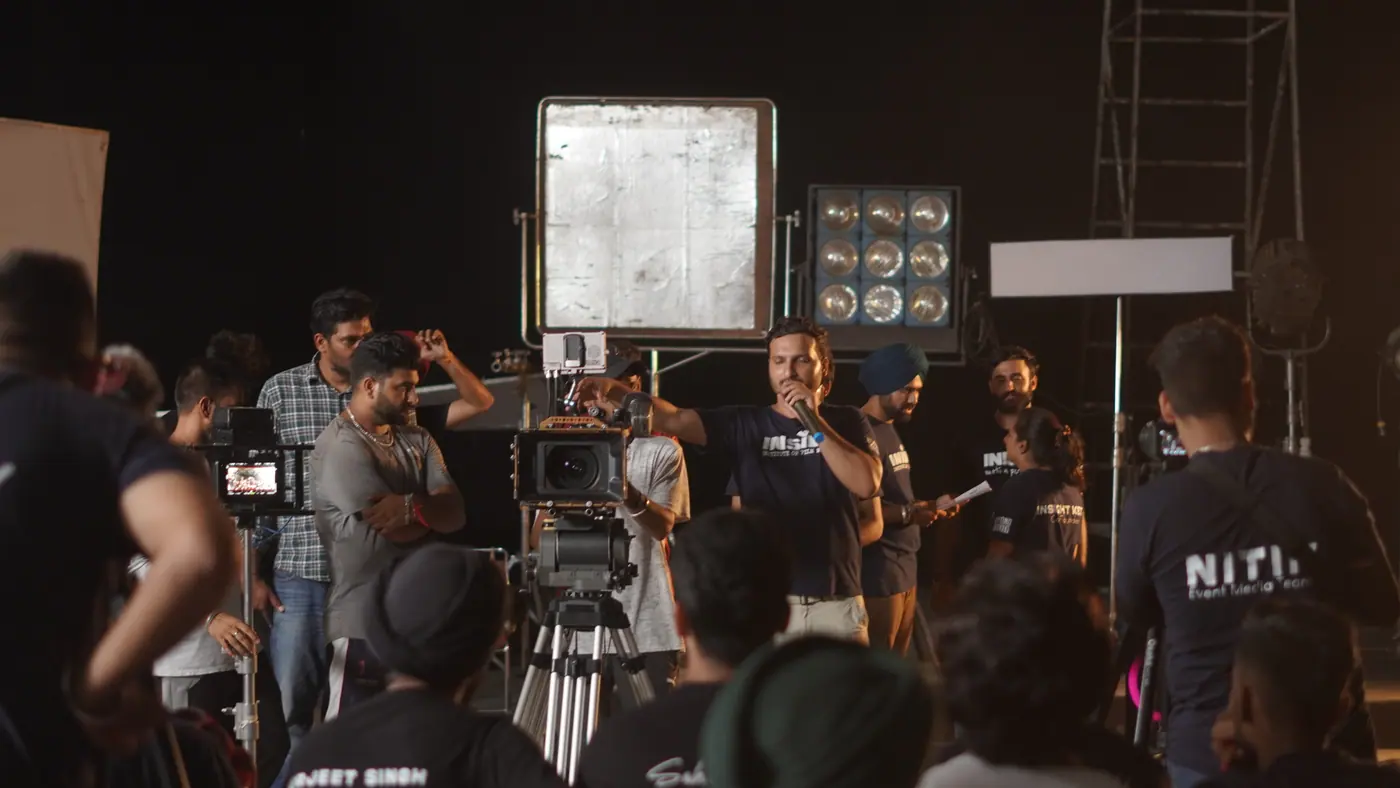
See a lighting class in action: our 2022 batch shares what they found at Inside, filmed during a lighting workshop.
So where should you put your lights?
So whenever you’re standing inside a location and you’re thinking, “Okay, where should I put my lights?”, stop for a second.
Look around. Look at the windows. Look at the practicals. Look at the direction of the existing light. Think about the time of day. Think about the character. Think about the emotion.
And then ask yourself: “Where is this light coming from, and why?”
If you can answer that question, you’re already thinking like a cinematographer.
Because ultimately, good lighting isn’t about how many lights you have. It’s about why you are using them.
- There’s no single correct way to light a room. Lighting is about the story.
- Find the source: a window, a lamp, a tube light, a TV, a streetlight. Then shape and control it.
- Light the background too. It can tell the story as much as the face.
- Soft light and hard light make the same face feel completely different.
- Motivated doesn’t mean 100% realistic. The audience just needs to believe why the light is there.
Location lighting checklist
Run through this every time you walk into a location.
- What time is it in the scene?
- Where is the character, and what are they feeling?
- What sources are here: windows, lamps, tube lights, a TV, a streetlight?
- Which source motivates my key light?
- What does the background need: practicals, shadows, colour contrast?
- Soft light or hard light?
- Naturalistic or expressionistic?
- What should the audience feel?
“Where is this light coming from, and why?” If you can answer that, you’re thinking like a cinematographer.
Frequently asked questions
What is motivated lighting in film?
Light that has a reason to exist in the scene, like a window, a lamp, a TV or a streetlight. You can add and shape your own lights, but the audience should believe where the light comes from.
How do you light a scene for a film?
Start with the story: what time it is, where the character is and what they feel. Find the source of light in the room, then shape and control it. Light the background too, not only the face.
What is the difference between naturalistic and expressionistic lighting?
Naturalistic lighting feels believable within the world of the story. Expressionistic lighting uses colour, deep shadows or silhouettes to show what a character feels, even if it doesn’t look real.
Does motivated lighting have to be realistic?
No. Cinematographers cheat reality all the time, with a bigger light outside a window or a brighter lamp. The audience just needs to believe why the light is there.
Rate this blog
Know someone who loves cinema? Send them this.
🎬 Want to learn cinematography on real sets? Take a look at our Pro Cinema course, book a free campus visit, or WhatsApp us on +91 79739 15679.
Comments
No comments yet. Be the first to share a thought.


