



If you shoot weddings and dream of shooting films, you are closer than you think. A subscriber asked InsideAKY this exact question on a YouTube live: how do I become a DOP for short films if I am a wedding filmmaker? His answer was simple. Weddings already taught you the camera. What they did not teach you is lighting, lens choice, the meaning of camera movement and planned shooting. Learn those four, start with small scenes, and you can move from wedding videographer to cinematographer.
Watch: from wedding filmmaker to DOP (from 6:35)
What weddings already taught you: the camera
Akhil starts with the good news. Wedding shooters know their camera very well, because they shoot live. There is no second take of the varmala. You learn to change settings fast, keep focus on a moving person, and protect your footage in low light. Many film students take months to get this comfortable. You already have it.
That matters, because the craft does not change when the screen gets bigger.
“चाहे आप कितने भी बड़े बन जाओ, बट द बेसिक्स आर द सेम। द प्रोसेस इज़ द सेम।”
InsideAKY. In English: however big you become, the basics are the same. The process is the same.
What weddings don’t teach you (and films need)
- Lighting. At a live event you can’t control the light much. Wedding light is also mostly high key, because the couple must look beautiful. Films often need low key light too: shadows, contrast, mood. Akhil’s advice is direct: focus on lighting. Start with our guide to motivated lighting and cinematic lighting basics.
- Lens and feel. Learn which lens creates which feeling: wide and close feels intimate and uneasy, long and far feels watched or lonely. Read how to choose a camera lens.
- The meaning of camera movement. At weddings you move the camera to look good. In films every move means something. Moving in towards a person feels different from moving away. Following someone sideways while you rack focus tells another story. See camera movement in film.
- Planned shooting. This is the biggest difference. In a film you plan every shot: the background, the actor, the light, the frame. At a wedding you simply don’t have that control, because you must shoot what happens. Learn framing and lighting as planned decisions, not reactions. Our pre-production checklist shows how a shot list works.
Wedding videography vs cinematography, side by side
| Wedding videography | Film cinematography | |
|---|---|---|
| Shooting | Live, one chance | Planned, shot by shot |
| Light | Mostly what the venue gives, high key | Designed for mood, high or low key |
| Camera movement | To look beautiful | To mean something in the story |
| Who decides | The event | Director and DOP, in pre-production |
| Team | Small, fast | Camera, light and grip departments |
How to make the switch: start small, with scenes
Akhil’s method is the same one he gives every beginner: start small. Don’t wait for a full film. Make scenes. Create good scenes, then join scenes, and a bigger video comes out of it. From there you can move into short films, and then into films. Once you have a short film, you can send it to festivals; he points people to FilmFreeway, which lists short film festivals around the world.
Reading about lighting is not the same as lighting a scene. Akhil says it plainly:
“नॉलेज होने से एग्जीक्यूशन नहीं पता चलता, एग्जीक्यूशन तो एग्जीक्यूशन से ही पता चलता है।”
InsideAKY. In English: having knowledge doesn’t teach you execution. You only learn execution by executing.
Want a lighting plan for your first scene? WhatsApp the word LIGHT to +91 79739 15679 and our team will guide you on where to start.
Practice: your first planned scene in one weekend
- Write one page. Two people, one room, one small conflict. Use our story idea guide if you’re stuck.
- Make a shot list. 5 to 8 shots. For each, write the lens, the frame and why the camera moves (or doesn’t).
- Light it low key. One key light, no fill, a little light on the background. Make the opposite of a wedding look on purpose.
- Shoot it twice. Once as planned, once with one change in movement. Compare how the feeling changes.
- Edit and show it. Ask someone what they felt, not whether it looked nice.
- Weddings already teach you the camera. That is a real head start.
- Learn what weddings skip: lighting (especially low key), lens feel, the meaning of movement and planned shooting.
- Start small: make scenes, join scenes, then make short films.
- You learn execution only by executing. Shoot, then improve.
Frequently asked questions
Can a wedding videographer become a film cinematographer?
Yes. You already know the camera from live shooting. Add lighting control, lens choice, the meaning of camera movement and planned shooting, then build a few short scenes to show your work.
What is the biggest difference between wedding and film cinematography?
Control. A wedding is shot live, so you react. A film is planned shot by shot: background, actor, light and frame are decided before the camera rolls.
What should a wedding shooter learn first to become a DOP?
Lighting. Wedding light is mostly high key and decided by the venue. Films need you to design light, including low key, moody setups.
How do I get my first short film as a DOP?
Start with your own small scenes, join them into short pieces, and show that work to directors. Then make a short film and send it to festivals through platforms like FilmFreeway.
Learn cinematography on real sets
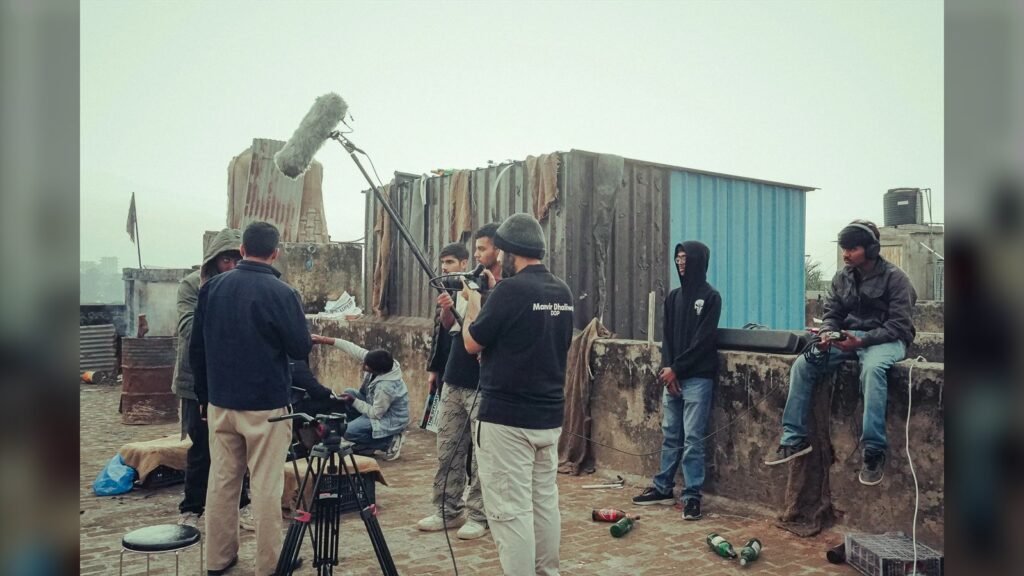
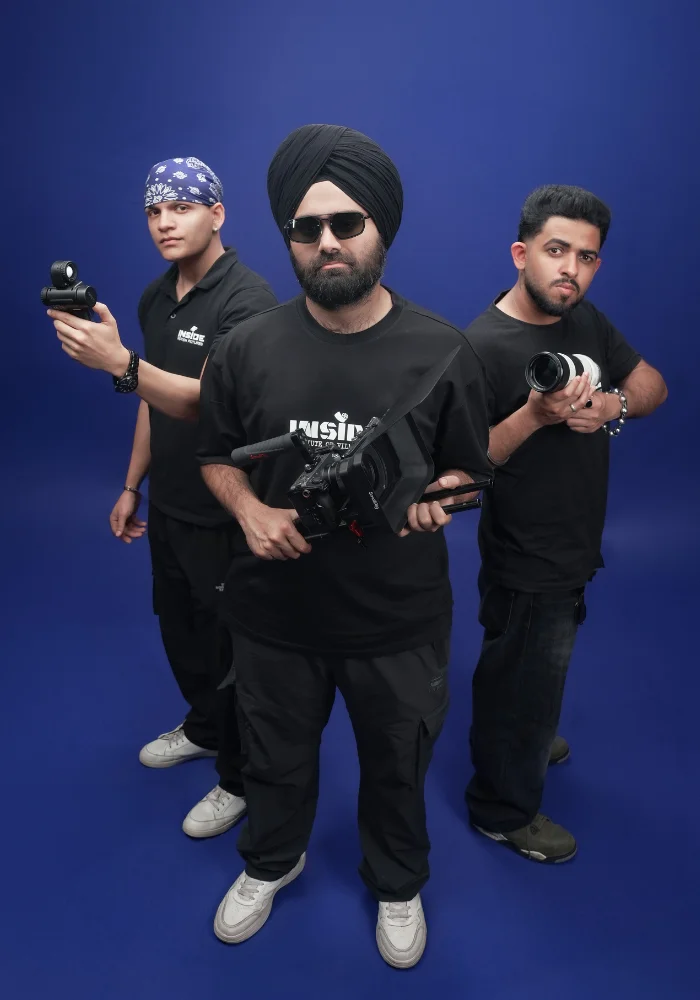
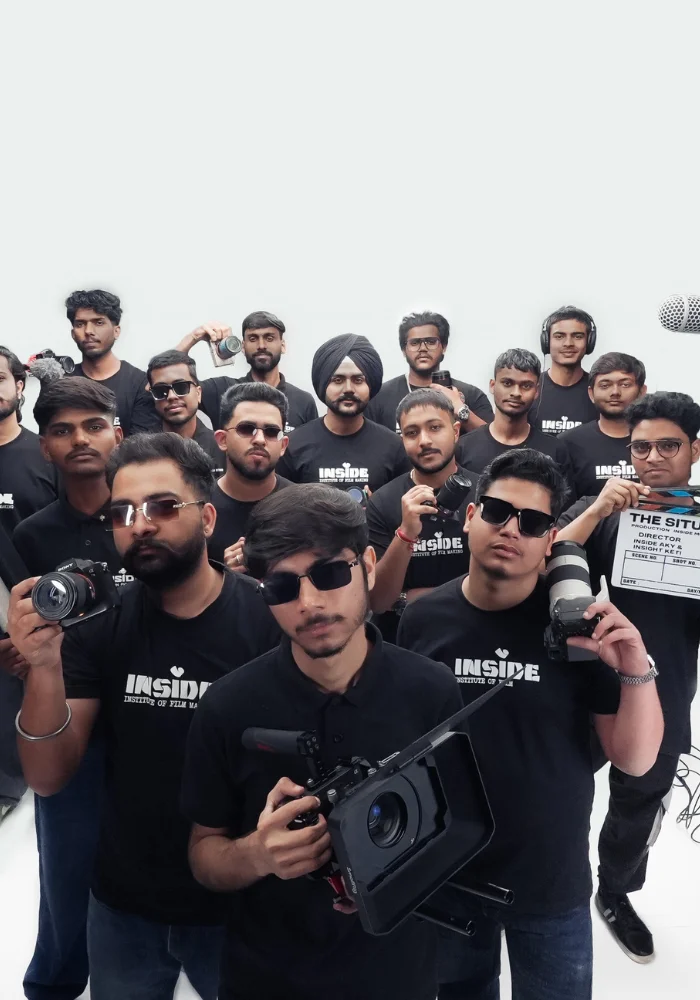
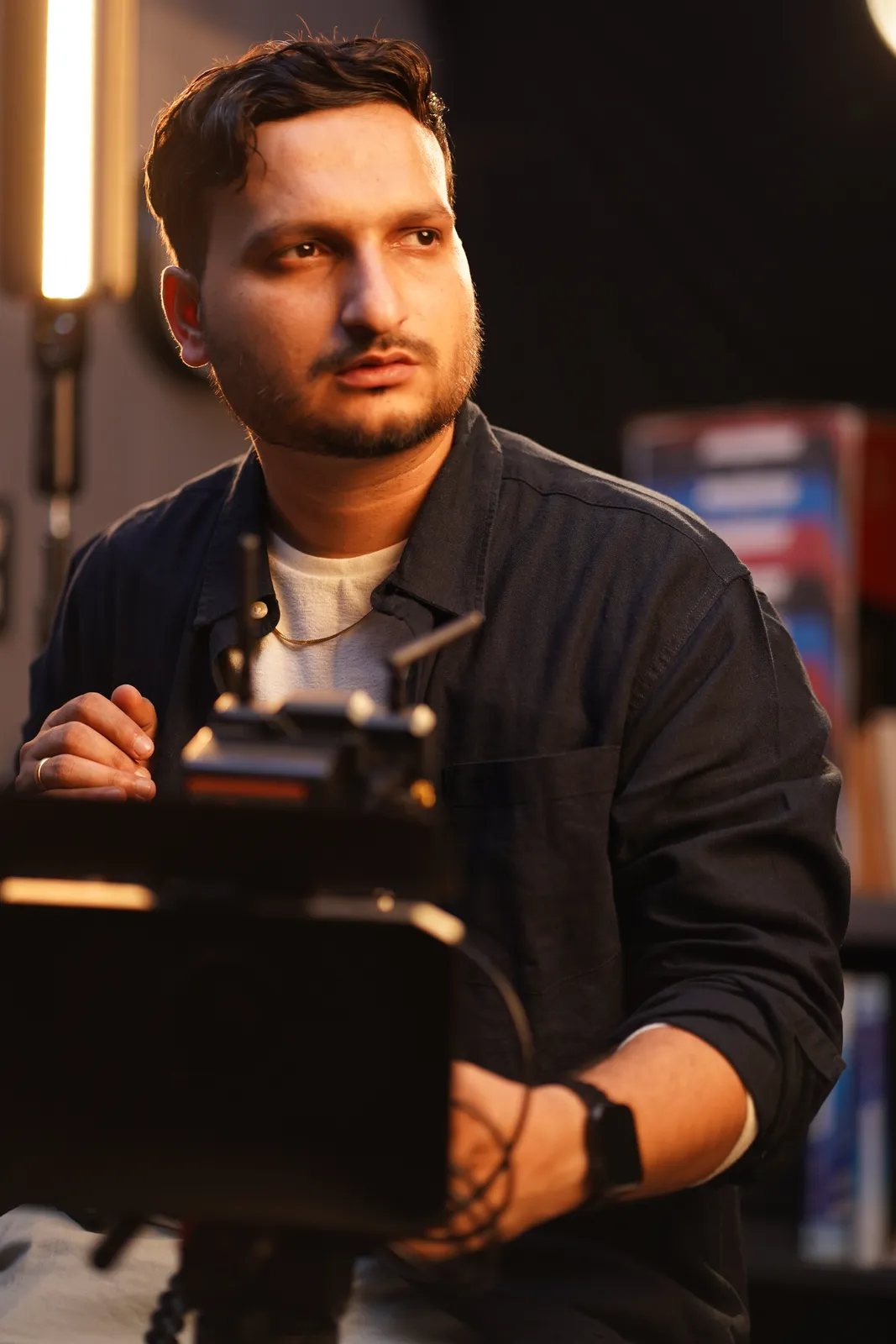
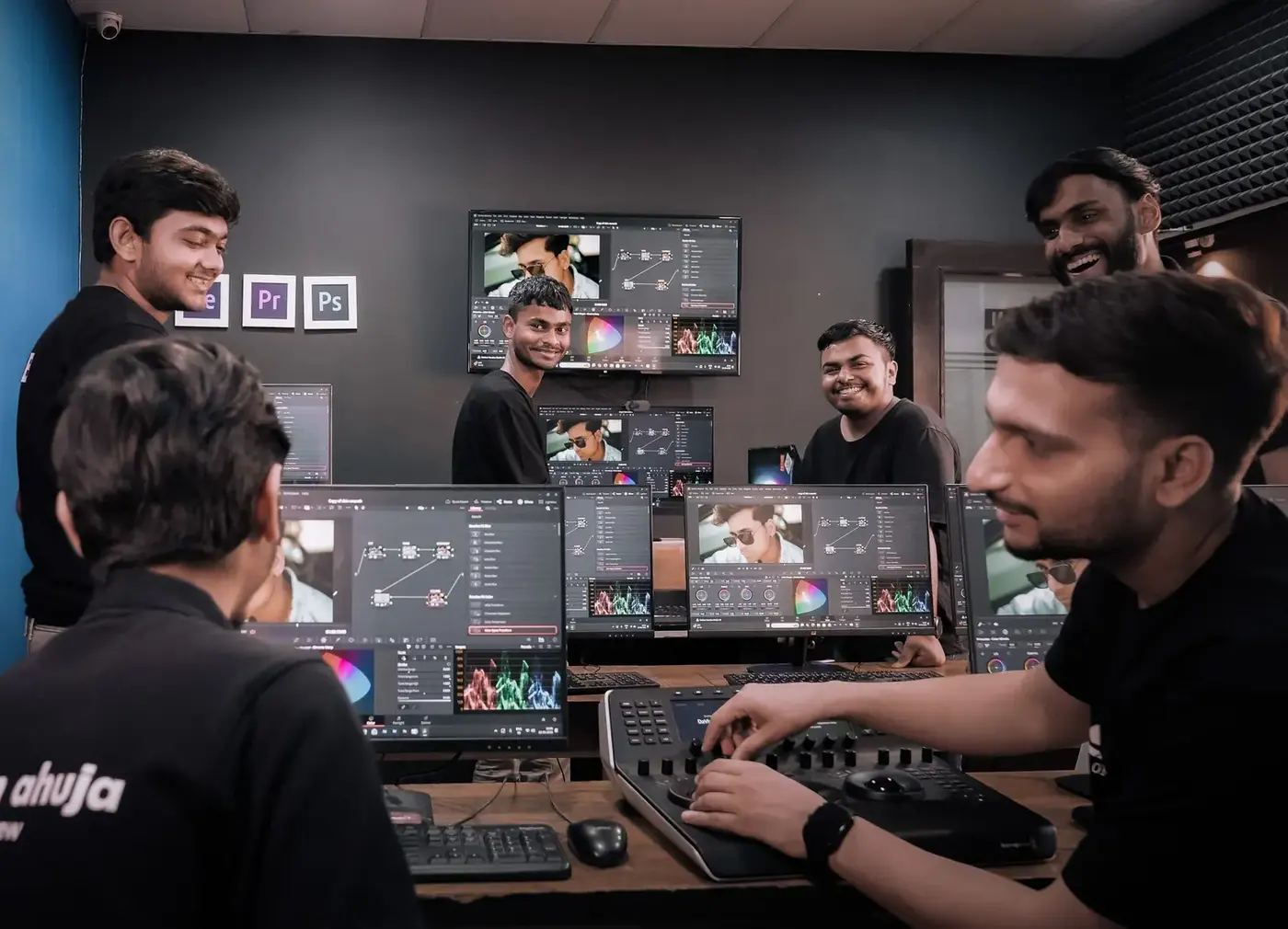
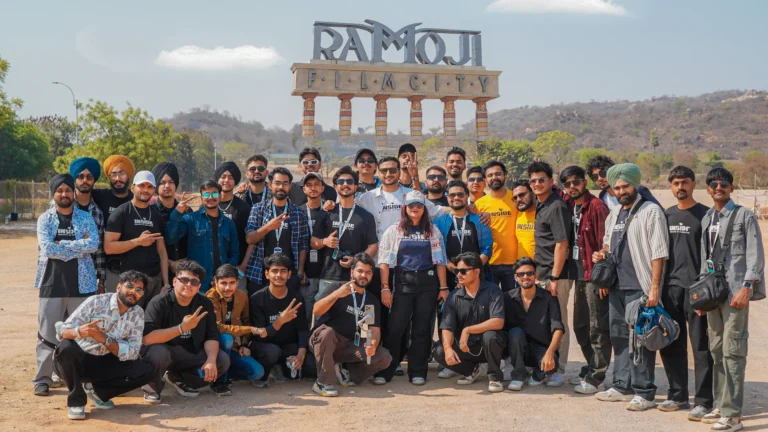
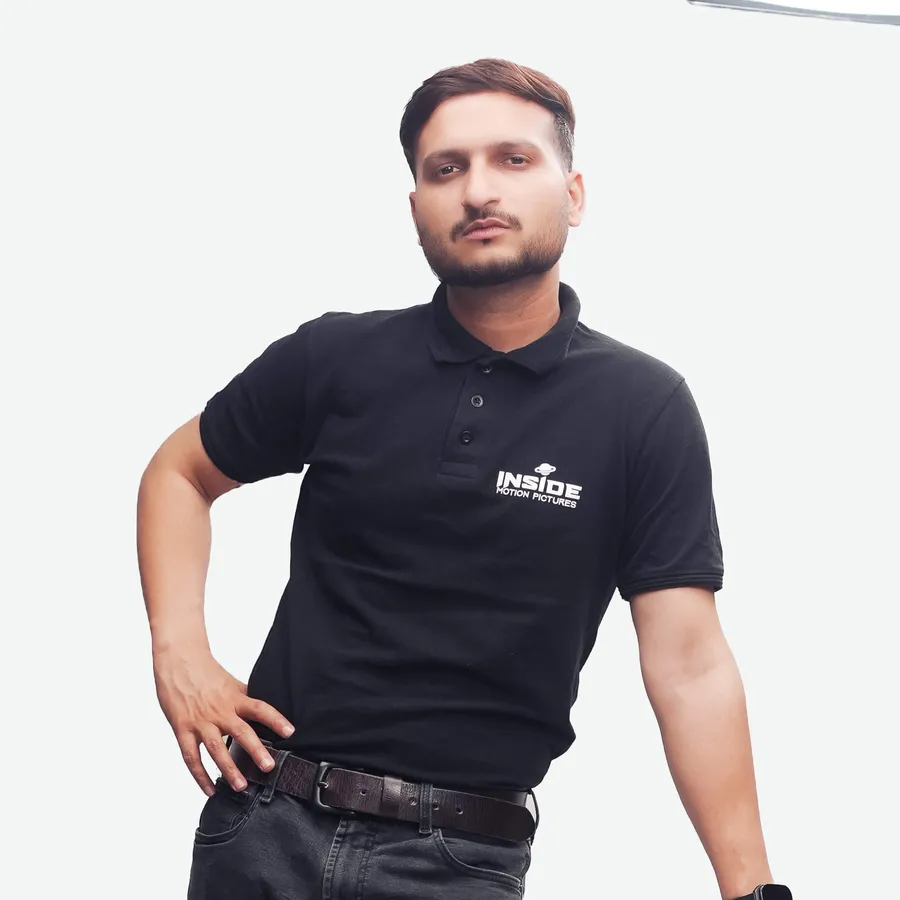
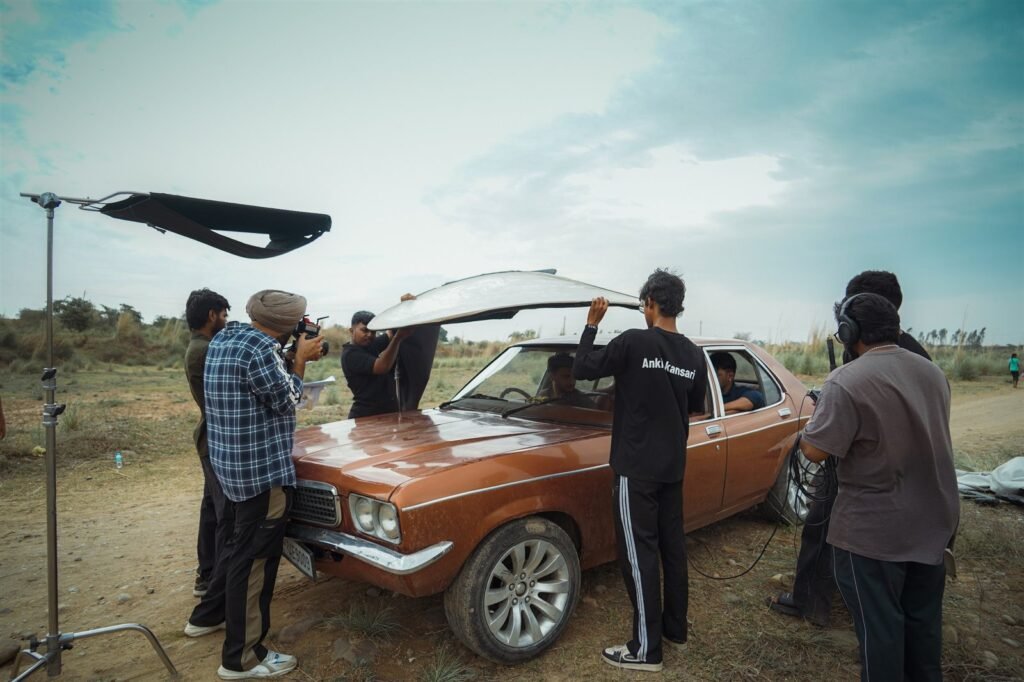
At Inside Film Institute, students light and shoot real projects by Inside Motion Pictures, like the short film Gordon you see in the photos above, on Sony FX3 and FX30 cameras with Aputure and Amaran lights. If you want to move from weddings to films, see the Pro Cinema course and take the first step.
We Love Cinema.
Rate this blog
Know someone who loves cinema? Send them this.
Comments
No comments yet. Be the first to share a thought.