

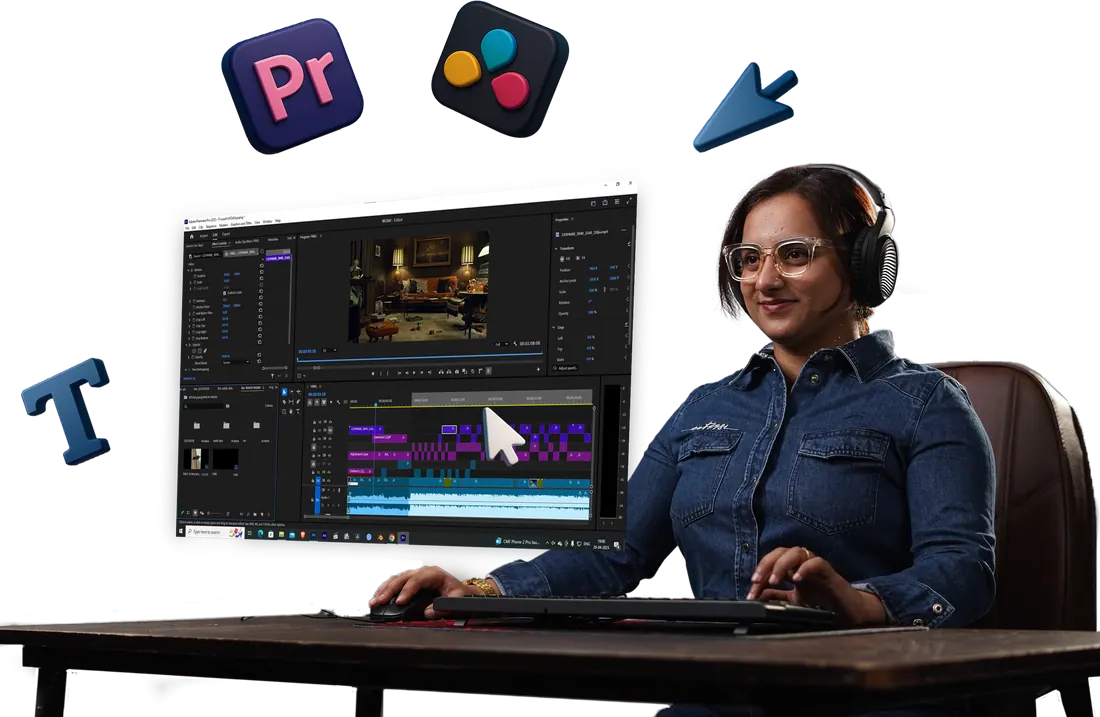
Most beginners think learning video editing means learning Premiere Pro or DaVinci Resolve. The software matters, but it’s the easy part. What makes an editor good is the way they think: which take to choose, where to cut, how long to hold, and why.
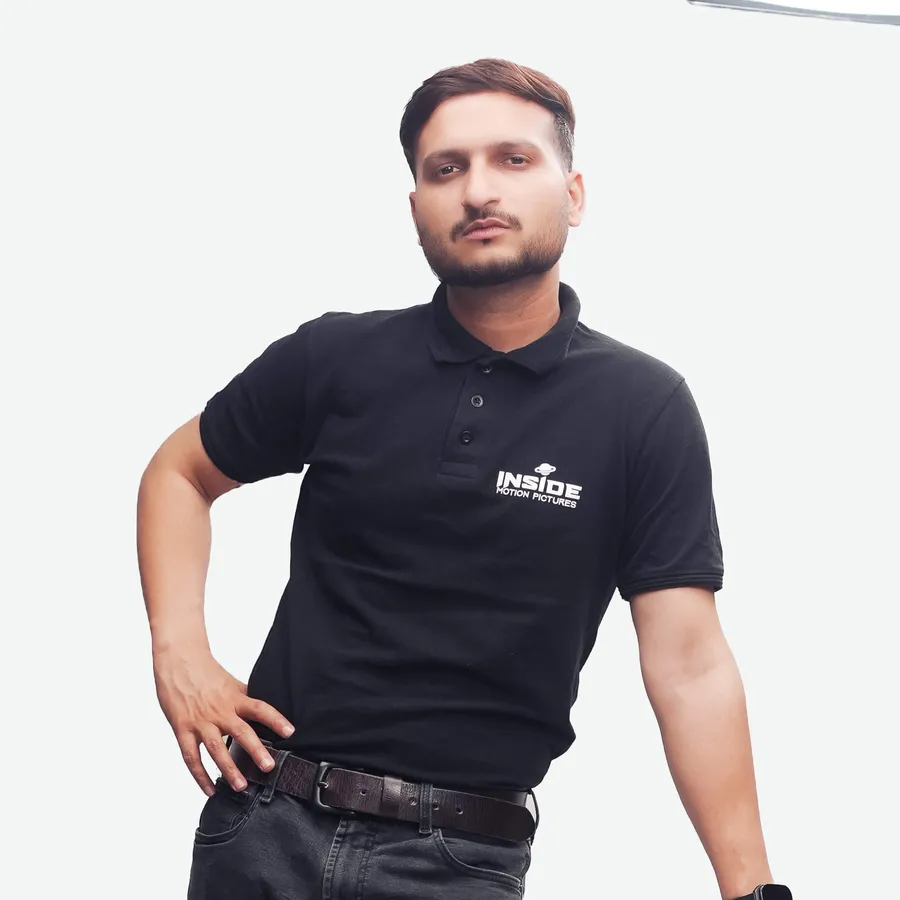
That’s why Akhil Kumar Yadav (InsideAKY) ran a full workshop on the editing mindset, with no talk about effects or tools. The whole session is below; here are the big ideas.
1. Ask yourself the right questions
Give a beginner three colours and ask which one to pick, and they’ll just choose one. An artist says “it depends”, because they know the questions behind the choice: who is it for, what’s the mood, what comes next? Every cut works the same way. Know the logic and the reason behind it.
2. Learn the editing your work needs
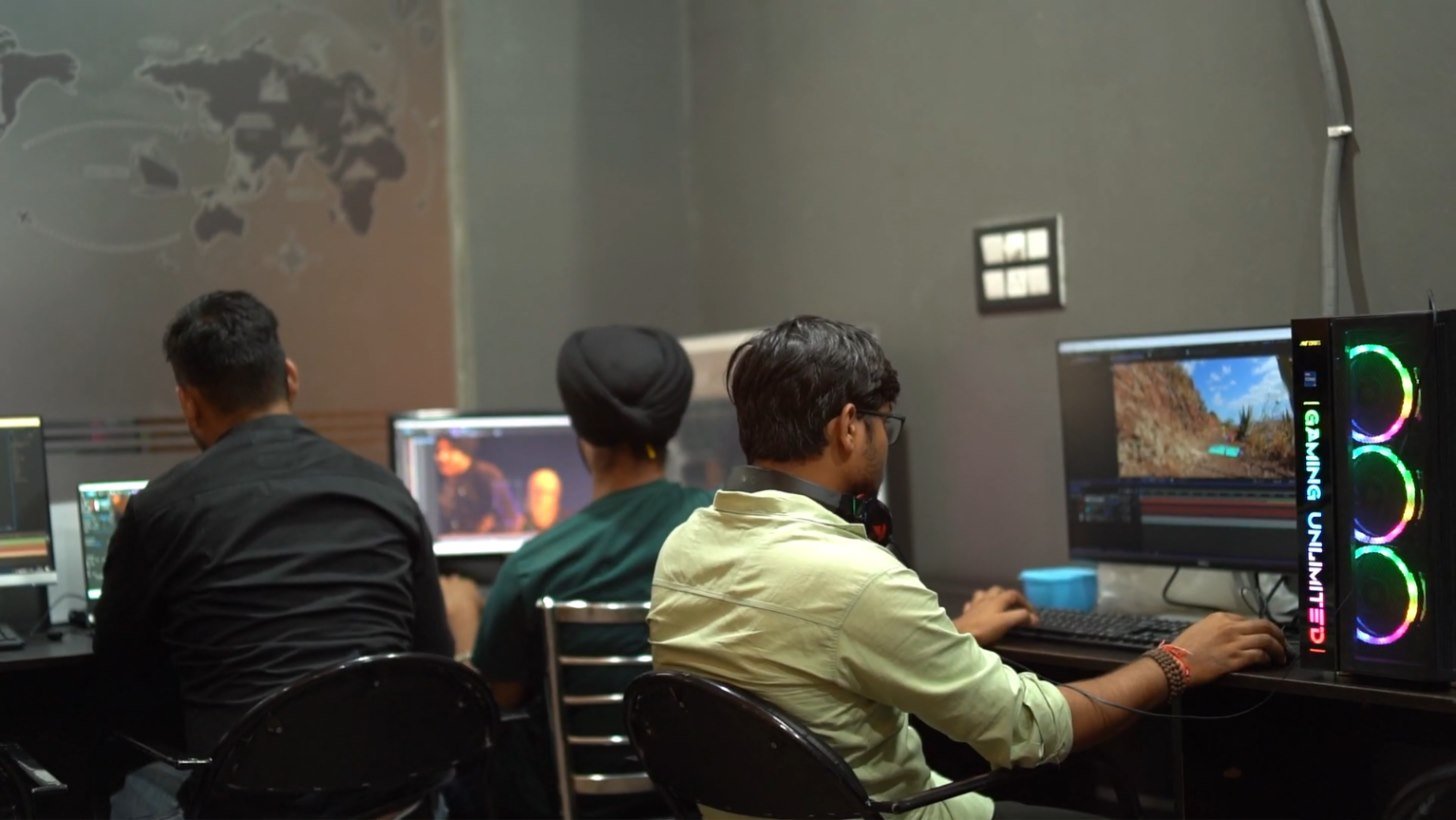
You don’t need to master every style of editing at once. First become a good artist, then learn to edit the way the production house, client or channel you work for needs. Focusing on everything at once only slows you down.
3. Watch every take, then choose
Before building the edit, go through each shot. Drop the set-up shots and the takes where something went wrong, and mark the ones that work. And when you choose, the order of priority is clear (21:34):
- The actor’s performance first. A shaky camera can be stabilised. A dead performance can’t be fixed.
- Then the camera: focus, framing, movement.
4. Check continuity, and fix framing in post
Between two shots, check that hands, props and positions match. Small blocking or headroom problems can often be fixed by scaling in, which is one reason to shoot in 4K for a Full HD edit: you have room to reframe.
5. Cut on the moment
In the workshop scene, a firecracker is thrown and explodes. The editor’s job is to find the exact frame where the action carries the eye across the cut, so the two shots feel like one movement.
6. Pacing depends on the genre
- Fear is instant. Keep scary moments short. Show too much for too long and the fear is gone.
- When in doubt, stay on the faster side for romance, comedy, action, thriller and suspense (39:08).
- Emotional, real-life drama can breathe. Don’t cut too much there, or you cut away the emotion.
7. Sound tells the audience what to feel
Sometimes an action has no real sound, so the editor adds one that defines it, like a rattle that suggests bones shaking. And the tone of the sound must match the genre: a cartoonish effect works on a funny ending, but never on a serious scene.
Ready for the tools? Read Video Editing Tips for Beginners, then Colour Grading vs Colour Correction.
Edit like a pro on your next project
- Before cutting, write what the viewer should feel at the end.
- Watch every take once and mark the best moment in each.
- Cut on the moment: on an action, a look or a breath.
- Do a sound pass last: ambience, music and silence where it matters.
- Start by asking what the edit must make the viewer feel.
- Learn the editing your kind of work needs: films, reels, ads or music videos.
- Watch every take before choosing.
- Pacing changes with the genre, and sound guides emotion.
Choosing a path? Read VFX or video editing: which is better for you.
Frequently asked questions
How do I start learning video editing?
Learn one software’s basics, then edit real footage often. Focus on choosing good takes, cutting on action and pacing, not on effects.
What matters most when choosing a take?
The actor’s performance. Camera problems can often be fixed in post; a weak performance can’t.
Should I cut fast or slow?
It depends on the genre. Most genres work better slightly fast; emotional drama can take more time.
Why shoot in 4K if the final video is Full HD?
It gives you room to zoom and reframe in the edit without losing quality.
Is software enough to become an editor?
No. Software is the tool. Story sense, rhythm and taste come from practice and feedback on real projects.
How long does it take to learn video editing?
You can learn the basics of a tool in weeks, but good editing comes from cutting many real projects. Practise daily and edit complete short pieces.
Learn it on real projects
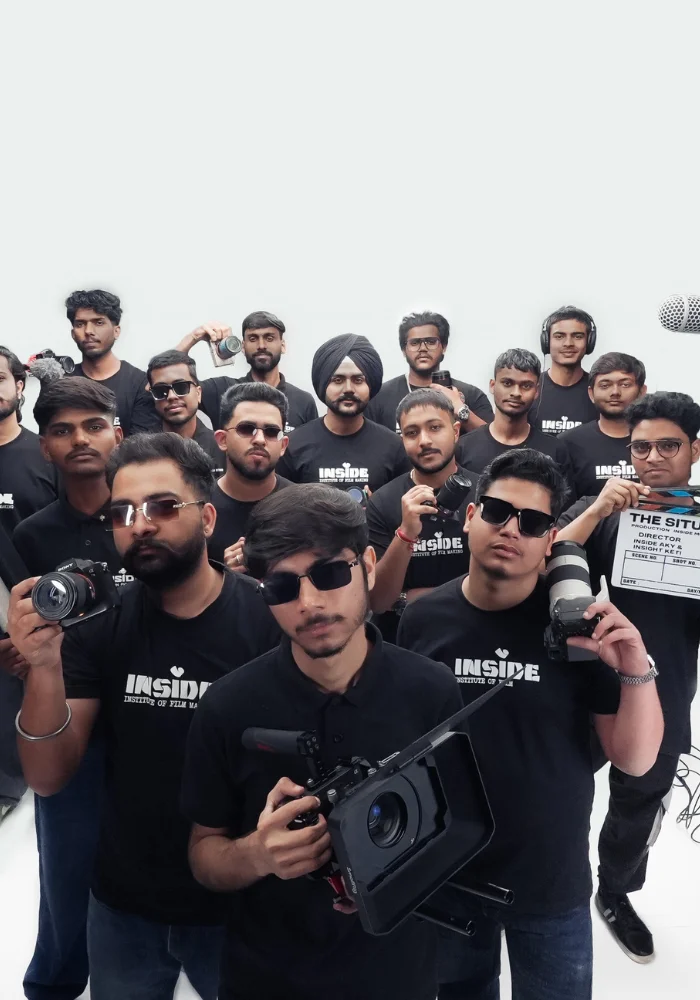
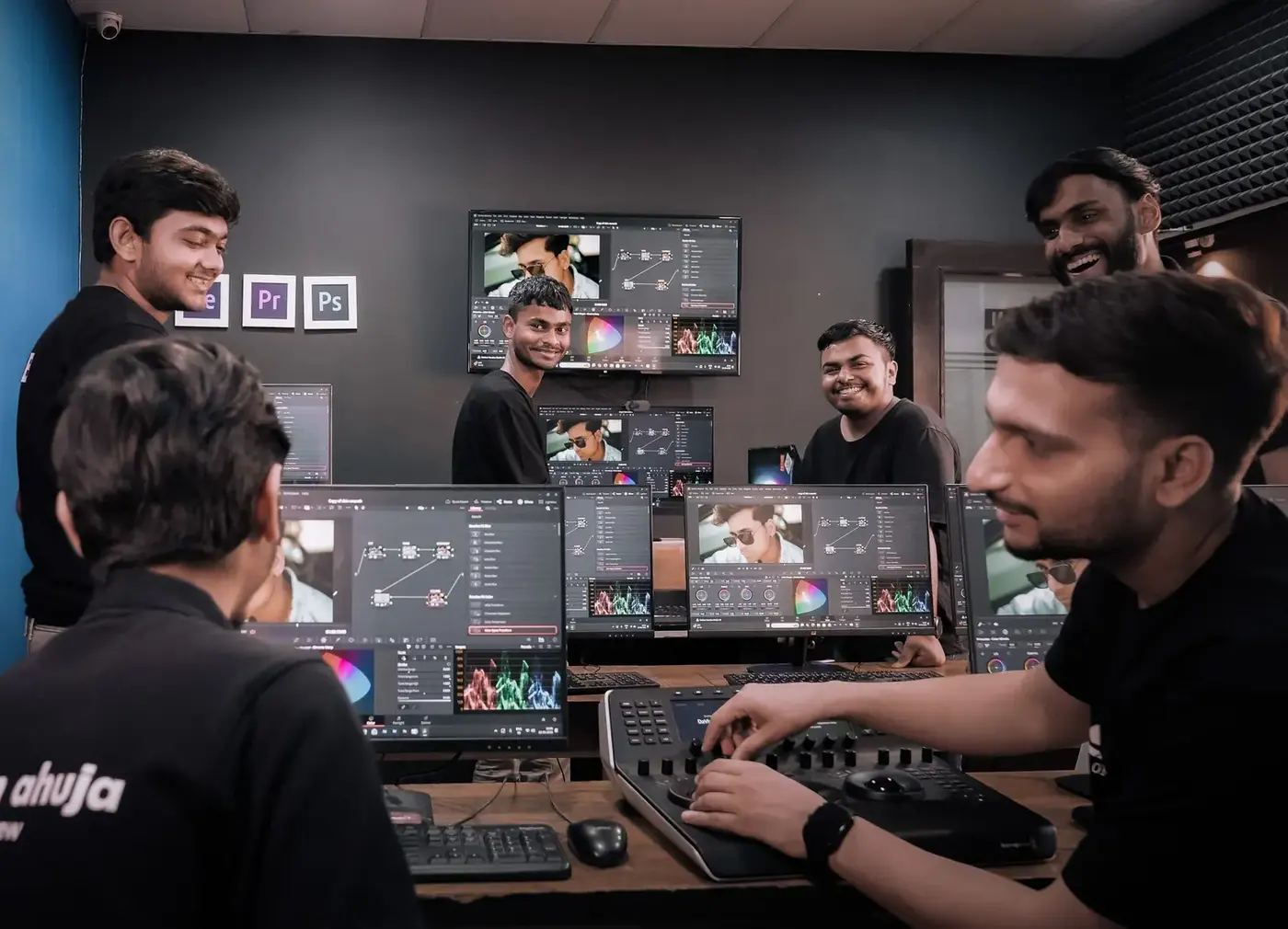
At Inside Film Institute in Panchkula, editing students cut real films, music videos and web series made by Inside Motion Pictures, with mentors reviewing every edit. See Video Editing using AI and Pro Filmmaking, and when you’re ready, take the first step.
We Love Cinema.
Rate this blog
Know someone who loves cinema? Send them this.
Comments
No comments yet. Be the first to share a thought.


