


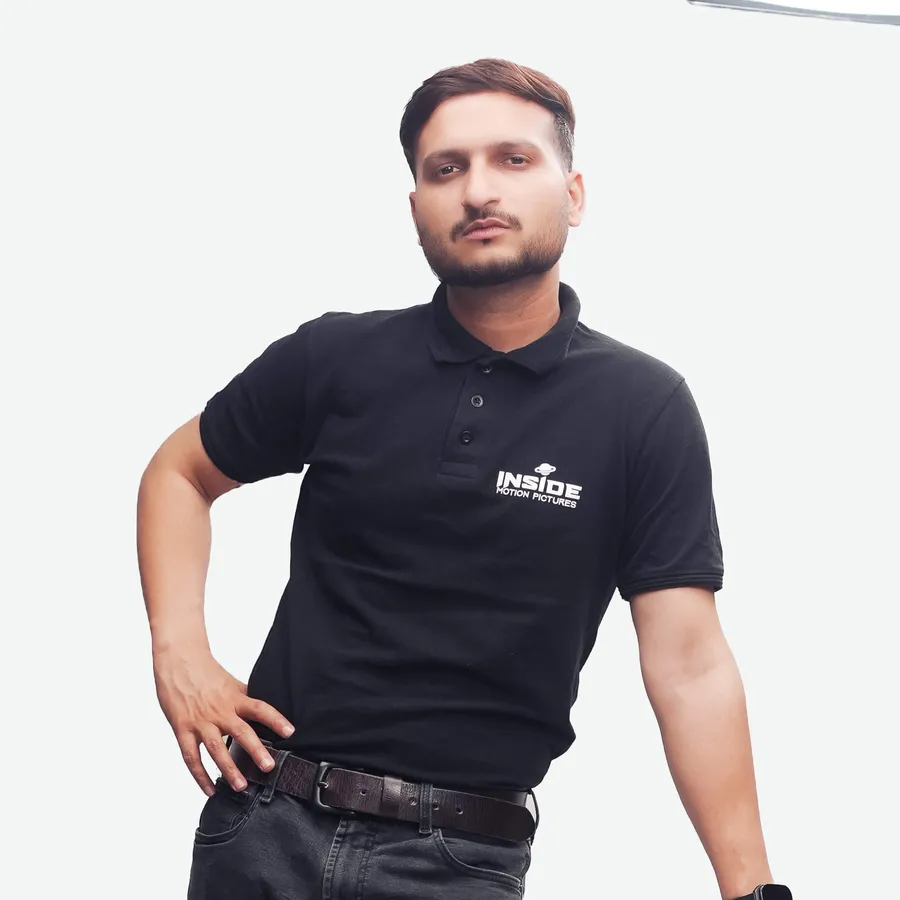
Students who love the computer side of filmmaking usually get stuck on one question: should I learn VFX or video editing? Both happen after the shoot, both use similar software, and both are in demand. But they are different jobs with different minds behind them. In a podcast on our channel, InsideAKY explained the difference in one simple line, and then answered which one gets you work faster. Here is his answer.
Watch: the difference between VFX and editing
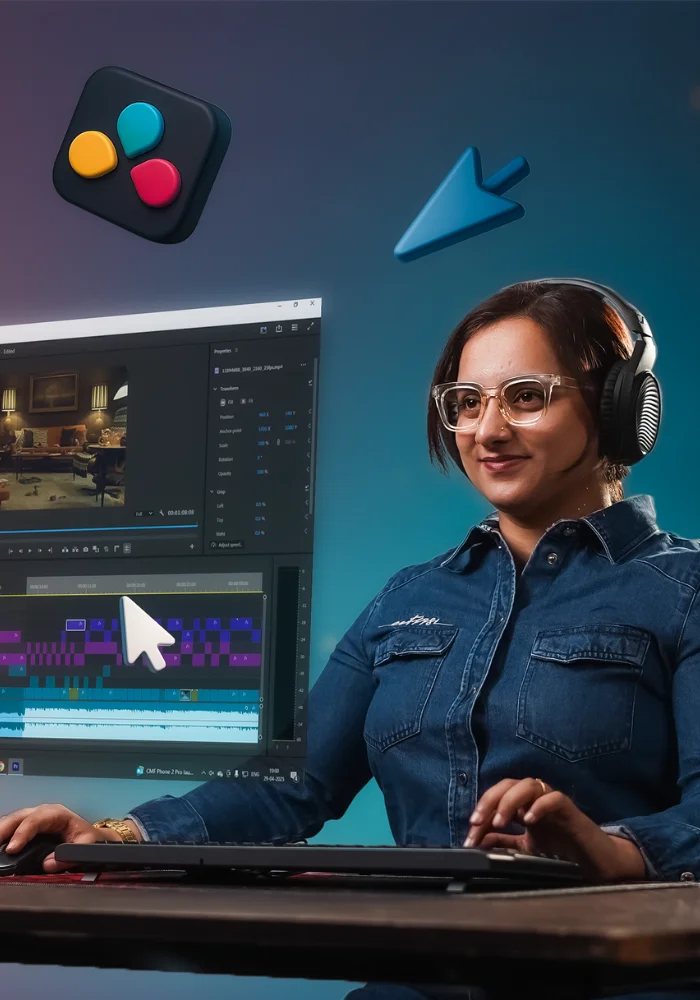
Video editing is storytelling
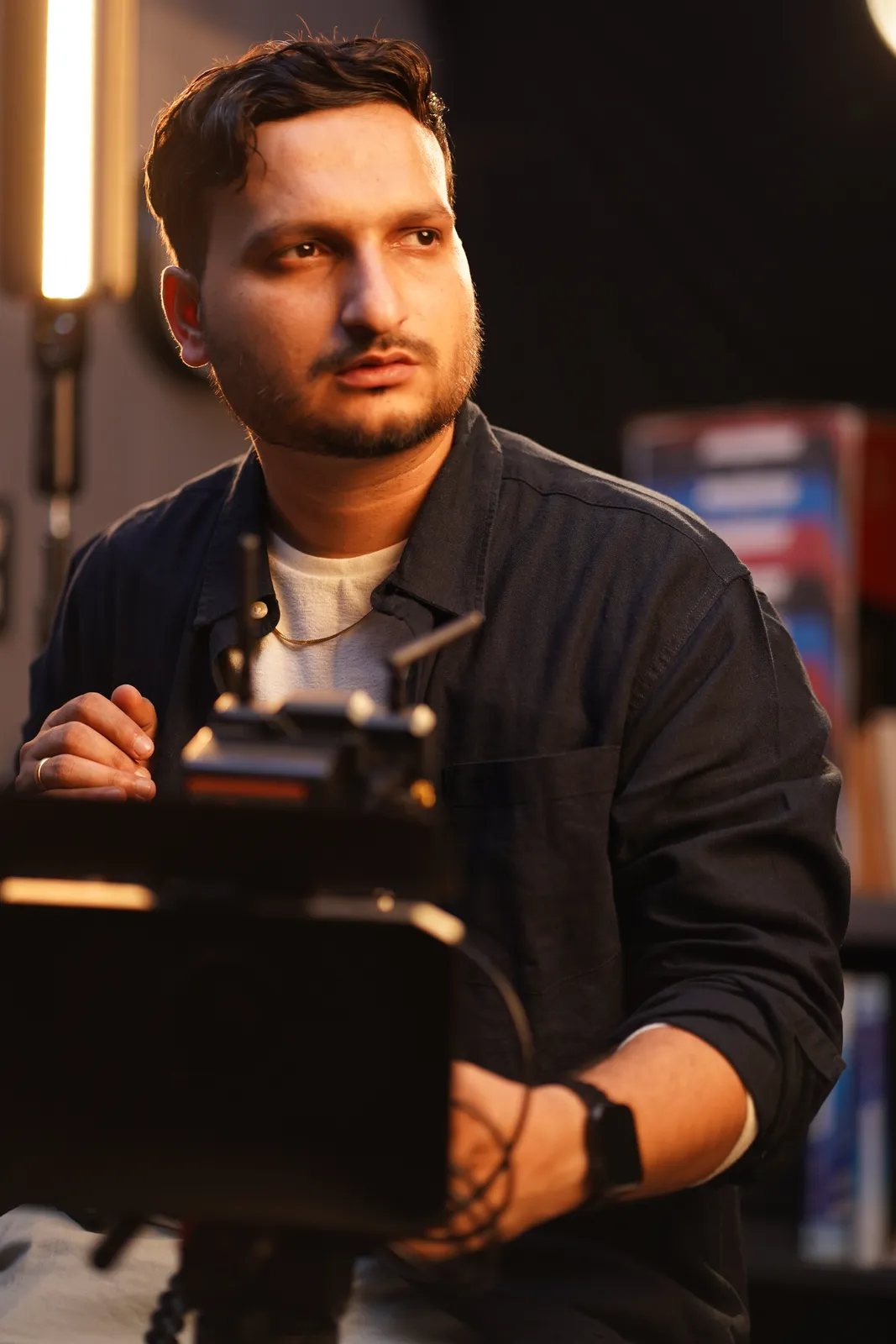
Akhil’s example is the podcast itself. He says something, and an editor can place someone else’s visual over his words, and the meaning of what he said can change completely. That power, choosing what the audience sees and in which order, is editing.
“वीडियो एडिटिंग में जो है स्टोरी टेलिंग ज्यादा होती है कि आप कोई चीज है उसको कैसा दर्शा रहे हैं कैसा उसकी कहानी क्या बयान कर रहे हो”
InsideAKY. In English: in video editing there is more storytelling: how you are showing something, and what story you are telling with it.
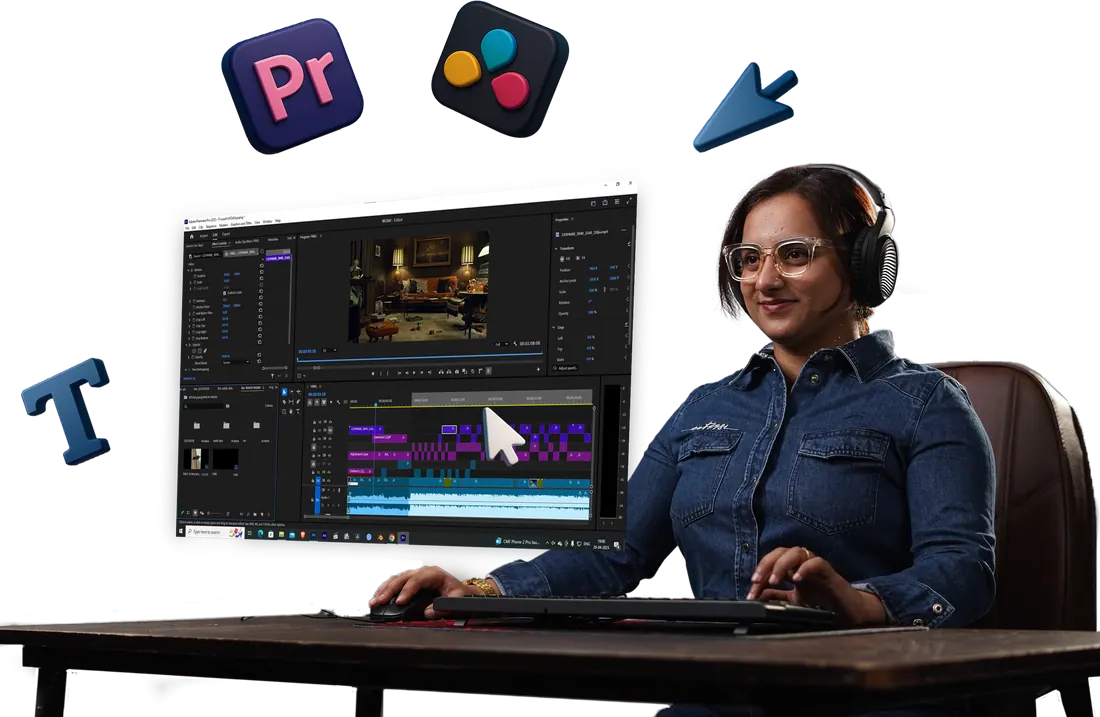
An editor works with rhythm, emotion, pace and structure. Their question is always, “Does this cut tell the story better?” Read how editors think in the editor’s mindset.
VFX is detailed, specific effects work
Visual effects, Akhil says, is more detailed and specific work compared with editing. It is about what you add or remove inside the frame. His examples: change this mic, change the sofa, or suddenly a dancer walks into the podcast from outside. That is VFX.
“तो अगर कोई भी एडिटिंग करना चाहता है तो अब वो स्टोरी टेलर बनेगा वो एडिट करेगा वीडियोस को स्टोरीज कहेगा जो वीएफएस करना चाहता है वो उसके अंदर ब्लास्ट ब्लास्ट लगाएगा कुछ क्रिएटिव करेगा चीजें रिमूव करेगा ऐड करेगा”
InsideAKY. In English: whoever wants to edit becomes a storyteller; he edits videos and tells stories. Whoever wants to do VFX adds blasts, does something creative, removes things and adds things.
VFX vs video editing at a glance
| Video editing | VFX | |
|---|---|---|
| Core skill | Storytelling: order, rhythm, emotion | Detail: adding, removing, building inside the frame |
| Main question | Does this cut tell the story better? | Does this shot look real? |
| Typical tools | Premiere Pro, DaVinci Resolve | After Effects, Blender, compositing tools |
| Work speed | Many projects, quick turnaround | Fewer shots, longer per shot |
| Best for | People who love story and pace | People who love detail and problem solving |
Which is better for getting work quickly?
Here Akhil’s answer is direct, and it comes from what Inside Motion Pictures sees every day. He says editing has huge scope, maybe even more than VFX right now, because requests for editors come in almost daily through social media.
“बट अगर अच्छी अपॉर्चुनिटी आपको शॉर्ट टाइम में अगर आपको चाहिए तो आई थिंक एडिटिंग इज अ वेरी गुड ऑप्शन”
InsideAKY. In English: but if you want a good opportunity in a short time, I think editing is a very good option.
He even says that in recent months he has had more requests than artists, with people asking for an editor or “a creative person”. Start building that skill with our video editing tips for beginners.
Which grows further?
For long-term growth, Akhil rates VFX as the stronger path. Hardly any film today is made without visual effects, and with a strong specialisation a VFX artist can reach Bollywood easily, and even Hollywood. It takes longer to get good, though, and needs patience. If that excites you, read the skills a VFX artist needs.
His real advice: learn both
“आई थिंक आपको एडिटिंग प्लस वीएफ सीखना चाहिए क्योंकि आपको स्टोरीटेलिंग भी आगी”
InsideAKY. In English: I think you should learn editing plus VFX, because then you will know storytelling too.
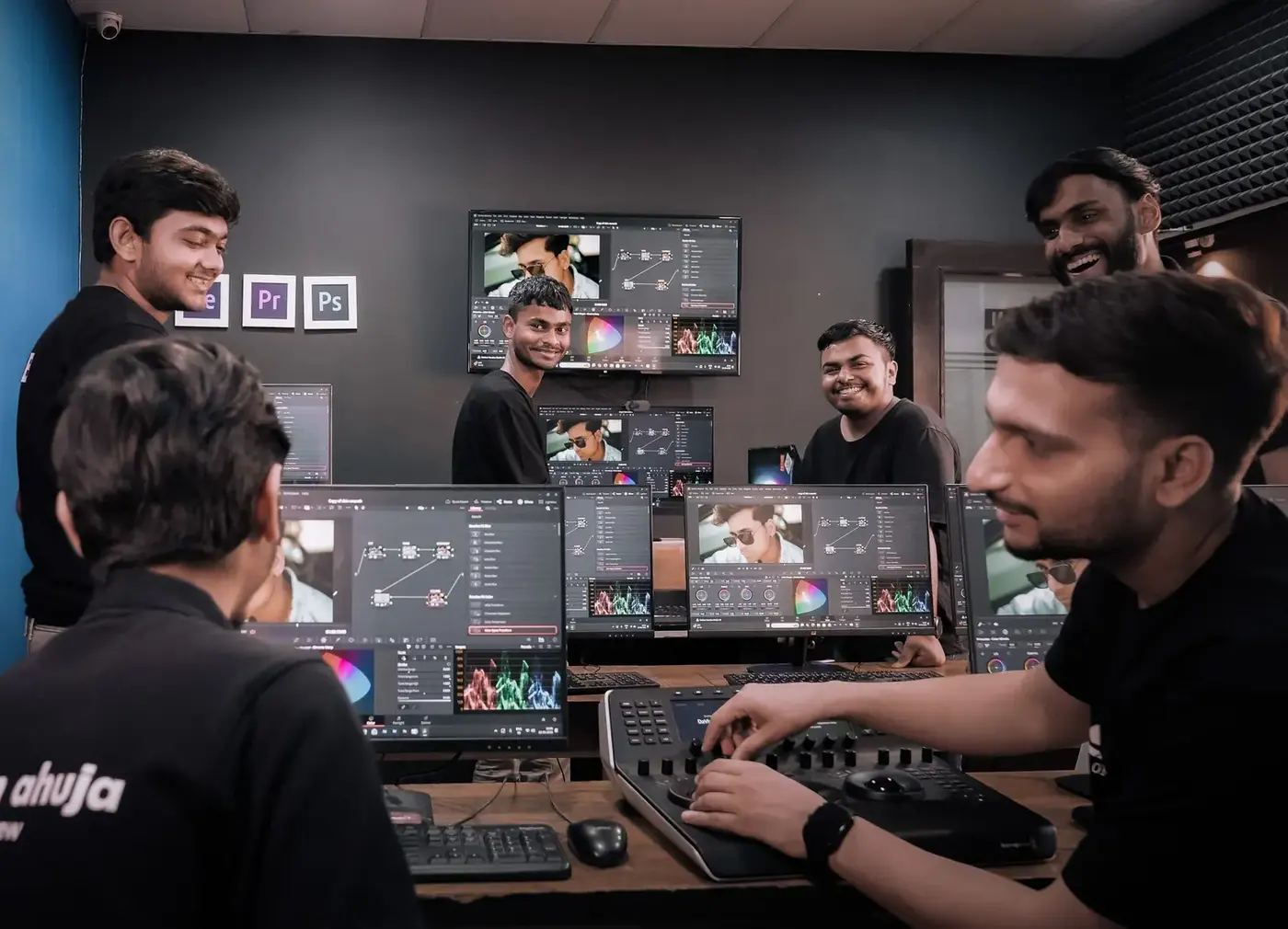
An editor who knows VFX can fix shots without waiting for someone else. A VFX artist who can edit understands why a shot exists in the story, so their work fits the film. That is why, as Akhil says in the podcast, our six-month editing course also includes a part on VFX.
Think of a music video. The editor decides which take of the singer goes where, how fast the cuts move with the beat and which shot ends the song. The VFX artist turns the plain wall behind the singer into a city at night, removes a light stand that got into the frame and adds sparks on the drop. Same project, two very different days of work, and the best results come when the two talk to each other.

Practice: a one-week test to find your side
- Days 1-3 (editing): Shoot 20 short clips of a day in your life. Cut them into a 30-second story with music. Then recut it to feel happy, then sad.
- Days 4-6 (VFX): Shoot one 5-second shot and change one thing in it: replace the sky, remove an object, or add text that sticks to a wall.
- Day 7: Ask yourself honestly: which three days felt like play, and which felt like work? Start with that side, and add the other later.
- Editing is storytelling: what we see and in which order.
- VFX is detailed work inside the frame: adding, removing, building.
- Editing gets you work faster today; VFX grows further with patience.
- Best of all: learn editing plus VFX.
Frequently asked questions
What is the difference between VFX and video editing?
Video editing tells the story by choosing and ordering shots. VFX changes what is inside a shot: adding, removing or building elements so they look real.
Which is easier to learn, VFX or editing?
Editing is usually quicker to start with. VFX takes longer because each shot needs detailed technical work, but both need daily practice.
Which has more jobs, VFX or video editing?
Right now editing has very high daily demand from social media, podcasts and brands. VFX has strong long-term scope in films, OTT and music videos.
Can I learn both VFX and editing?
Yes, and InsideAKY recommends it: editing gives you storytelling, VFX gives you control over the image.
Edit and composite for real projects
At Inside Film Institute, students edit and composite real music videos, films and web series by Inside Motion Pictures. See Video Editing using AI and Pro VFX + AI, and take the first step.
We Love Cinema.
Rate this blog
Know someone who loves cinema? Send them this.
Comments
No comments yet. Be the first to share a thought.