
In one line: Practical and skill is everything.
That’s the main line of this whole blog, so I’m putting it right at the start. Now let me explain why.
You’ve just finished 12th. You want to get into filmmaking or VFX. And the first question in your mind is: should I do a degree, should I do a diploma, or should I go for a practical course?
It’s a genuine question. And it’s a common one too, because there’s a fear about parents behind it. For parents, a degree matters. That’s a very important thing for them. The society and the structure we live in have given so much value to degrees, diplomas and certificates that it feels like you can’t step outside of them.
But let me explain the ground reality to you. Let’s go one by one.
First, let me tell you about myself
To be very honest, I don’t have a filmmaking degree. I’m just a 12th-pass person.
Sachin Tendulkar didn’t have a degree either. And there are a lot of people like that.
Now, I’m not going to say that people shouldn’t study. That’s a different topic. But if I tell you the most basic truth, it’s this: you don’t need a degree or a diploma to make films.
So why is that? Let me explain.
Why skill matters more than the paper
In art, in practical fields, in anything that’s skill-oriented, what matters is the work you know how to do.
Yes, there are some organisations where a degree or diploma is required, whether for admission, for a job or for some kind of work. But that number is very small. These are very limited spaces. In most places, whatever work you get will be based on your skill.
And even if you do get a job because of a degree or a diploma, if you aren’t skilled, you’ll come back to the same point. You won’t be capable of that job, and in the longer term you won’t survive.
So what does a practical course give you?
This is the biggest benefit of a practical course, or of practical learning. Whatever you’re going to learn, you learn it by working.
Think about it. When we learn something, what do we have to do after that? We have to work. So if we learn that same thing by working, we also gain experience along the way.
Usually, when you finish a degree, a diploma or any certificate course and go for a job, they ask you about your experience. Now, if you do a practical course, or learn something practically, you already have that experience. Even if you don’t do a course and just learn practically on your own, you still have that experience.
And that’s a very big thing. That’s what matters the most.
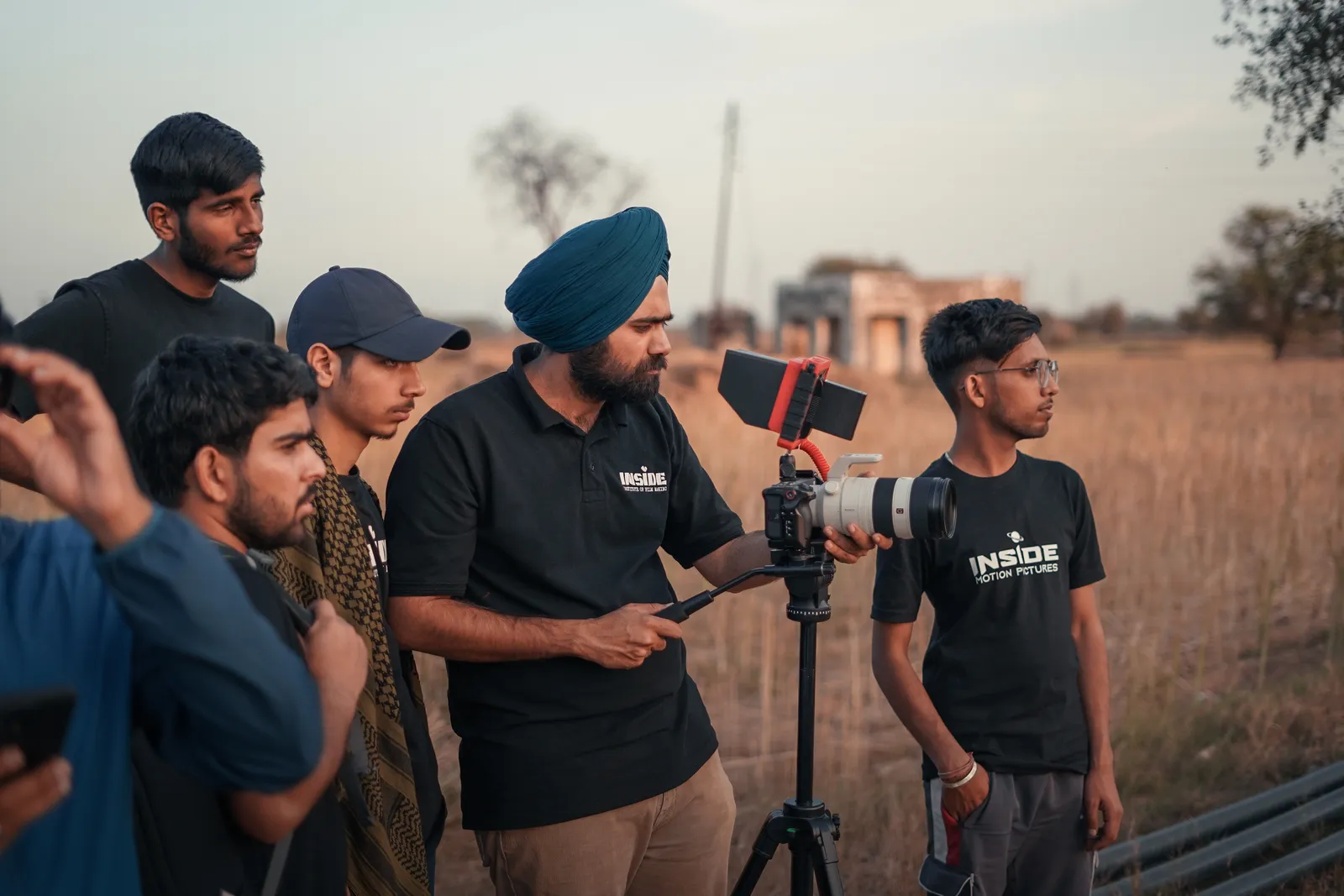
Then what do studios and production houses look for?
Now the second thing comes up. What do the studios and production houses that are actually working care about?
Of course, quite a few studios look at degrees and certificates. They do that because, for those companies, it matters where a person learned and how. It sets a standard.
But to be very honest, in the longer term it’s the same thing again. If you can’t do the work, you won’t survive.
So don’t look at whether you’re getting a degree, a diploma or a certificate.
So should you join a film school or not?
Definitely learn. In fact, I’d say you should learn from a film school, an institute or some practical place. Because what you’d learn in 2–3 years somewhere outside, you can learn in 1 year, 1.5 years or even 6 months at an institute, if you’re very passionate and interested, and the institute teaches really well. So definitely learn.
But here’s the major point you have to look at. Don’t look at how much value its certificate will have. Understand how much you’ll actually get to learn there. Because that is the core.
And I’m saying this for every institute, including mine. If practical work isn’t taught at my institute, I’ll tell you: don’t come here. At any institute where practical work isn’t taught, please don’t go there. It won’t benefit you at all.
Now, about your mindset
Then comes the traditional degree, and with it, the mindset. This is very important too.
Suppose you’re walking in with the mindset of “I need to get a degree.” Then I think you’re in the wrong mindset.
Your mindset should be: I need knowledge, I need skill. I need to improve. I need to become better. I need to ask my teacher. I need to work and see for myself. I need to use the equipment. I need to work with a team, and work in a team. I need to develop leadership. I need to work on my software skills and my editing skills. I need to learn the latest tools. I need to learn AI and understand how to work with it. I need to develop my artistic taste. And I need to make myself a better human being, a professional, and develop my personality too.
What about all the theory and history?
Now, the majority of courses will teach you theory. They’ll teach you the history of a lot of things. I won’t say that’s wrong. It should be taught, so people know.
But what difference does it make how an old camera worked? What matters is how a camera works now. These are the very important things. When someone started filmmaking, how they shot their film, what difference does that make?
These things are extra. This is extra learning. For this, just recommend books to the students and let them learn the history. It shouldn’t be in the course. But in a lot of institutes, it is in the course. And that’s not a very good thing.
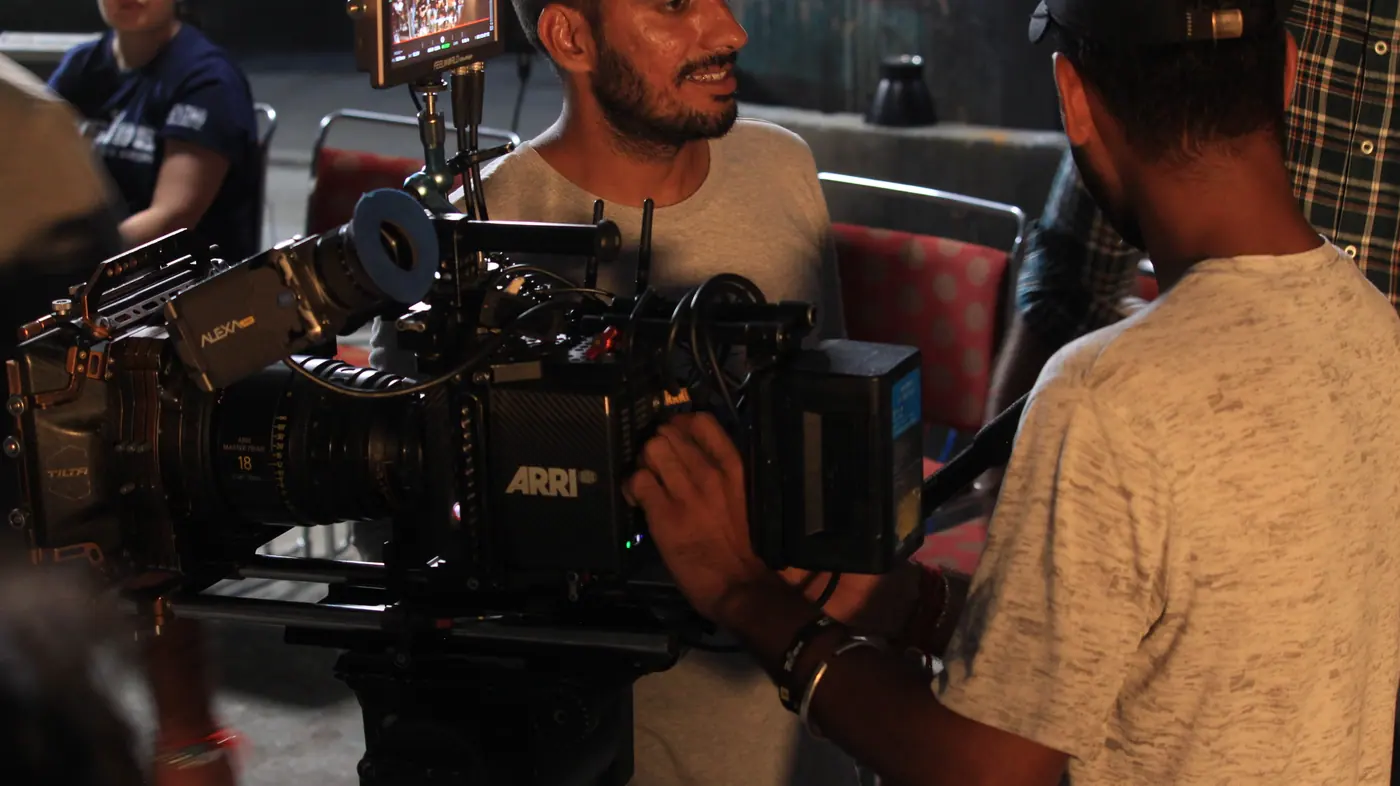
So how long does it really take?
Apart from that, I don’t think anyone needs 3 years or 4 years to learn filmmaking. I’d even say you don’t need 2 years. In my view, 1 year is more than enough to learn practical filmmaking.
Our earlier courses were 1.5 years long. We made them 1 year too. In 1.5 years, we were getting students to do internships and practicals, and we’d kept some extra things in the course as well. But then we understood that we already do so much practical work during the course that there’s no need for those extra 6 months. The work gets done in 12 months.
Now let me tell you how I learned
So for me, and from my own experience, ever since I started learning and for as long as I’ve worked, I’ve made very good content.
My films and short films have won awards. Hundreds of thousands of people have watched them and appreciated them. We’ve done big songs, and we’ve worked for big artists. We’ve done VFX for them, and we’ve shot for them. We’ve delivered music videos with 800 million views. In total, the videos we’ve worked on have over 3 billion views. And if I talk only about the ones we mainly shot and edited ourselves, those videos have around 1.5 billion views.
So, coming from this background, I’m telling you myself: I learned everything by working practically.
I’ve made so many videos. Go to any of my pages, to my Inside AKY YouTube channel, or to the Inside Motion Pictures page. Watch the very first video, and then watch a recent video. You’ll see the quality difference. Because we worked, we practised, and we kept shooting and seeing.
Even our VFX, the majority of it, isn’t that we took some files and did VFX, or just did VFX on stock footage. There’s a lot of VFX that we shot practically, and we worked on the storytelling.
And this is what we do at Inside Film Institute
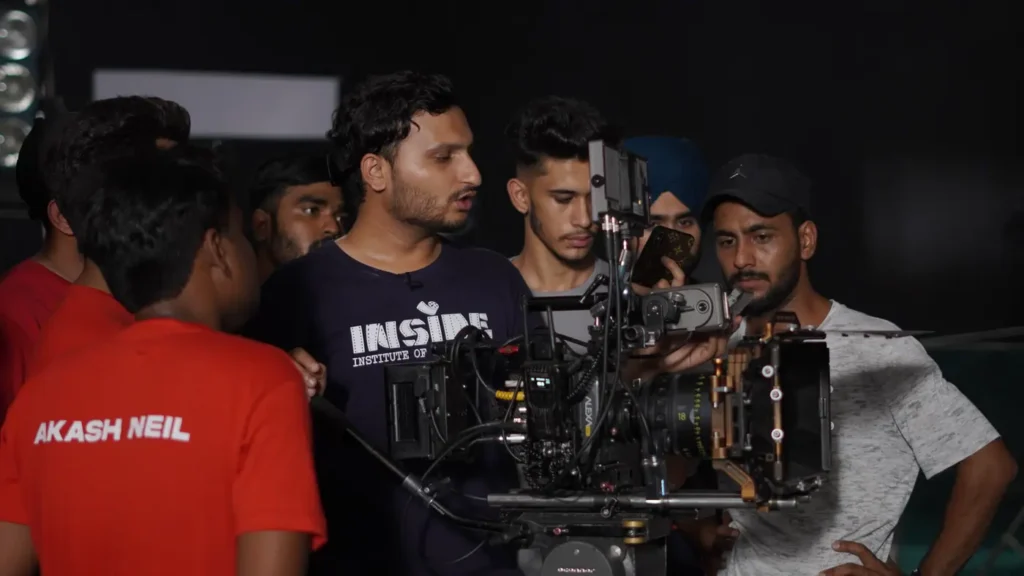
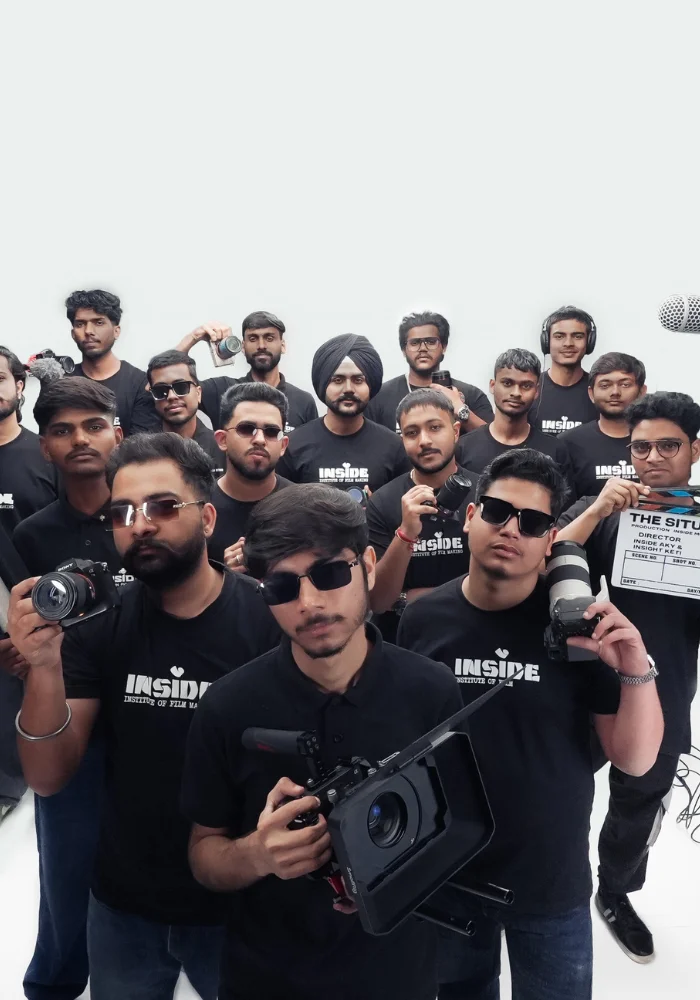
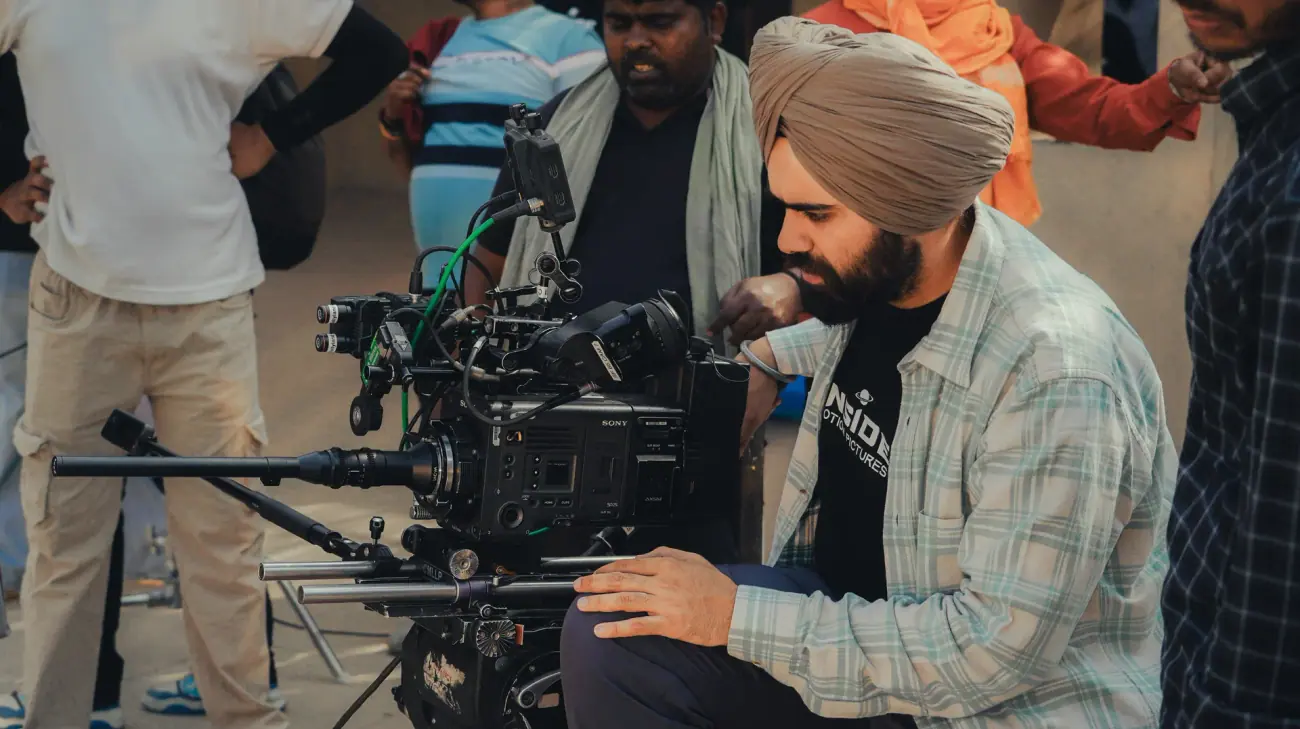
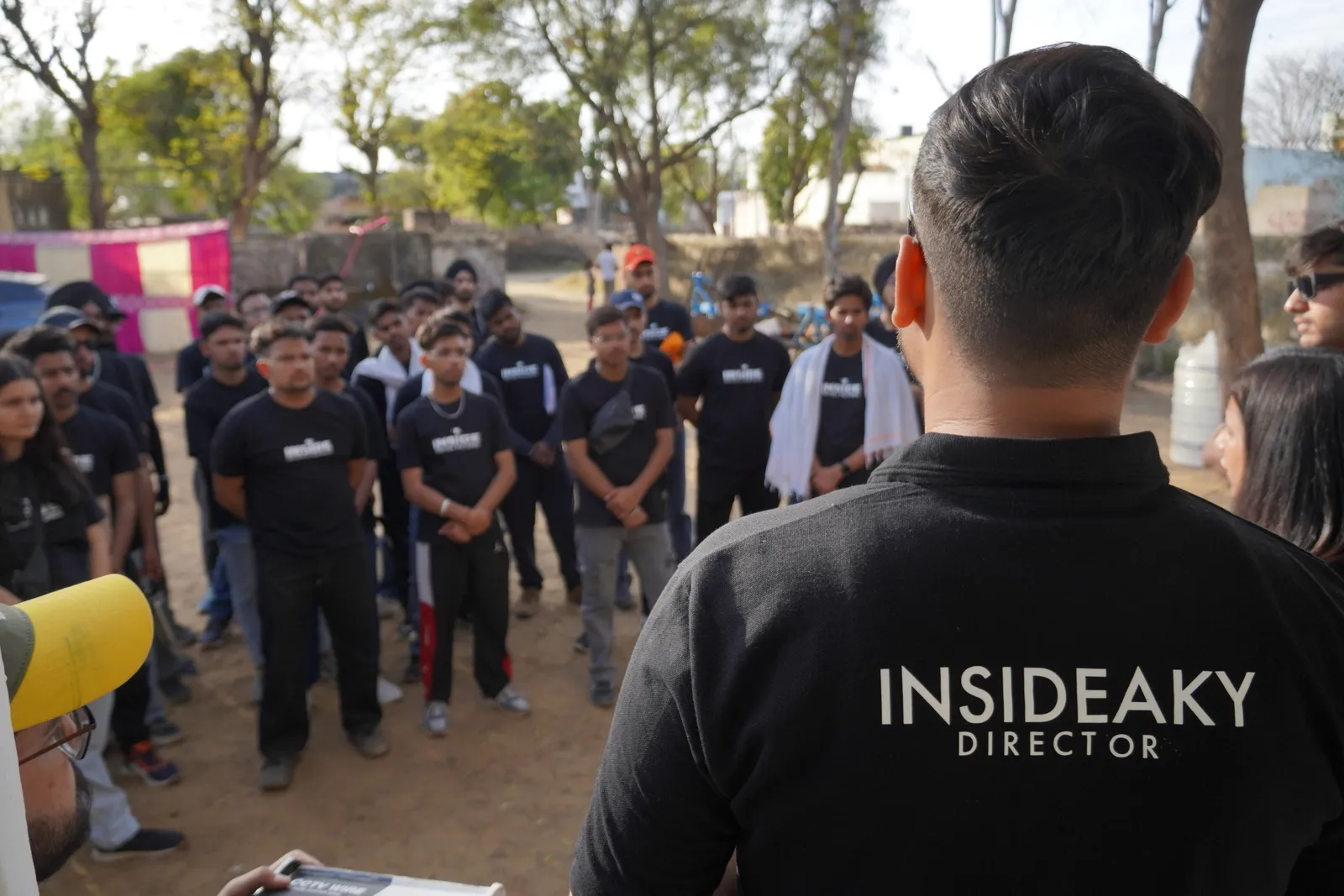
I’ve applied the same thing at Inside Film Institute. Whatever the topic is, whatever the thing is, it’ll be covered practically here. The teachers have the same instructions, and the teachers follow it too. I follow it myself.
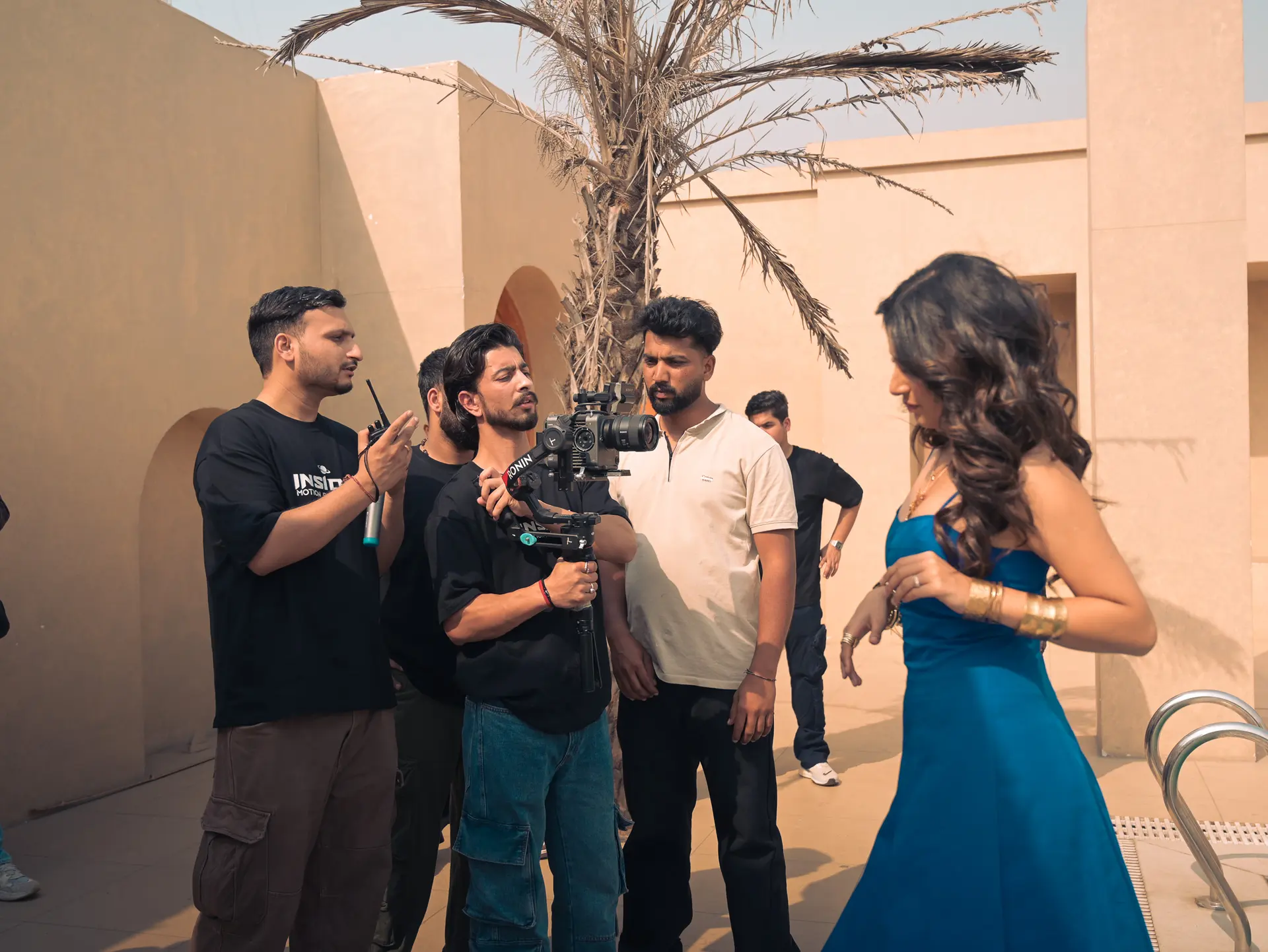
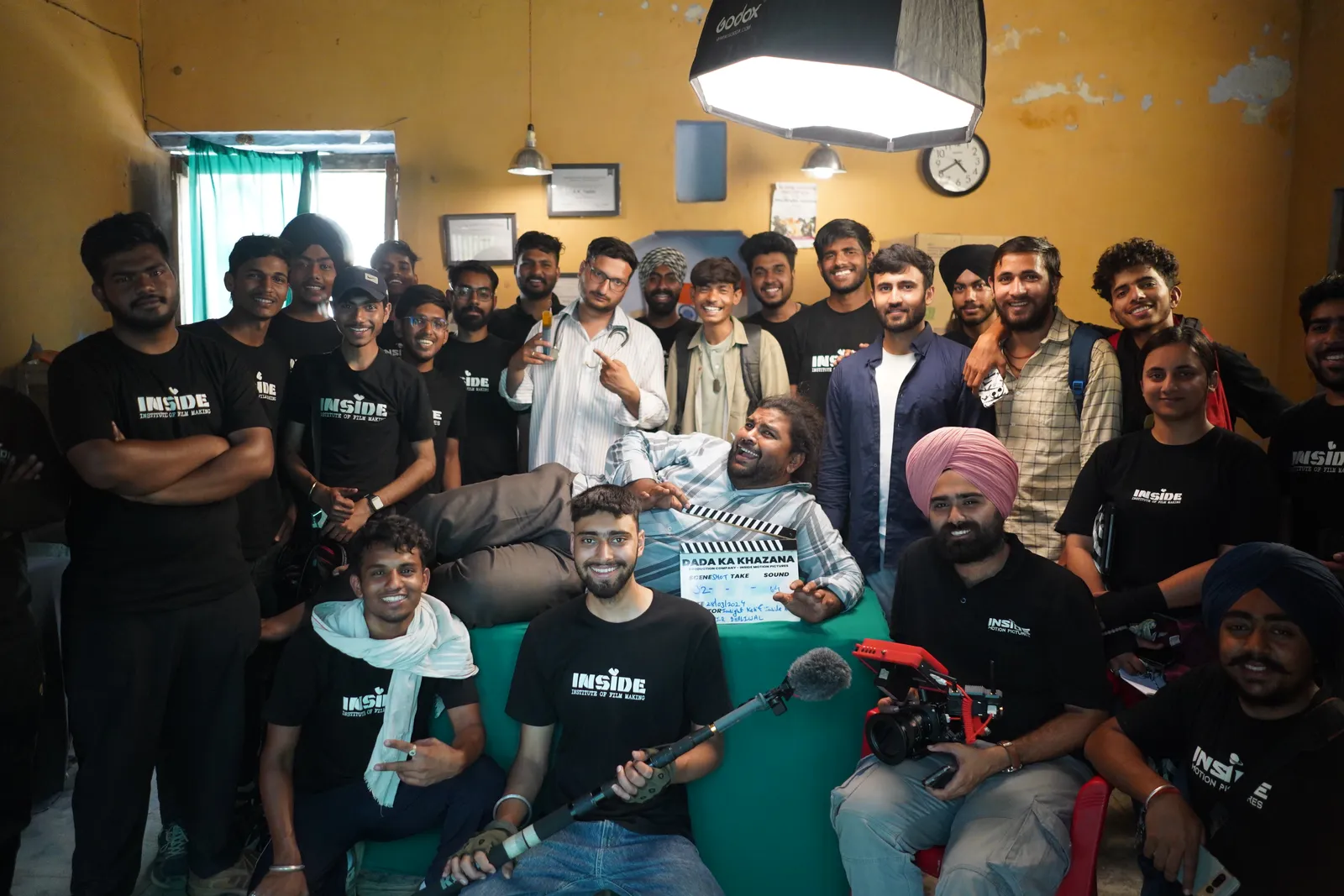
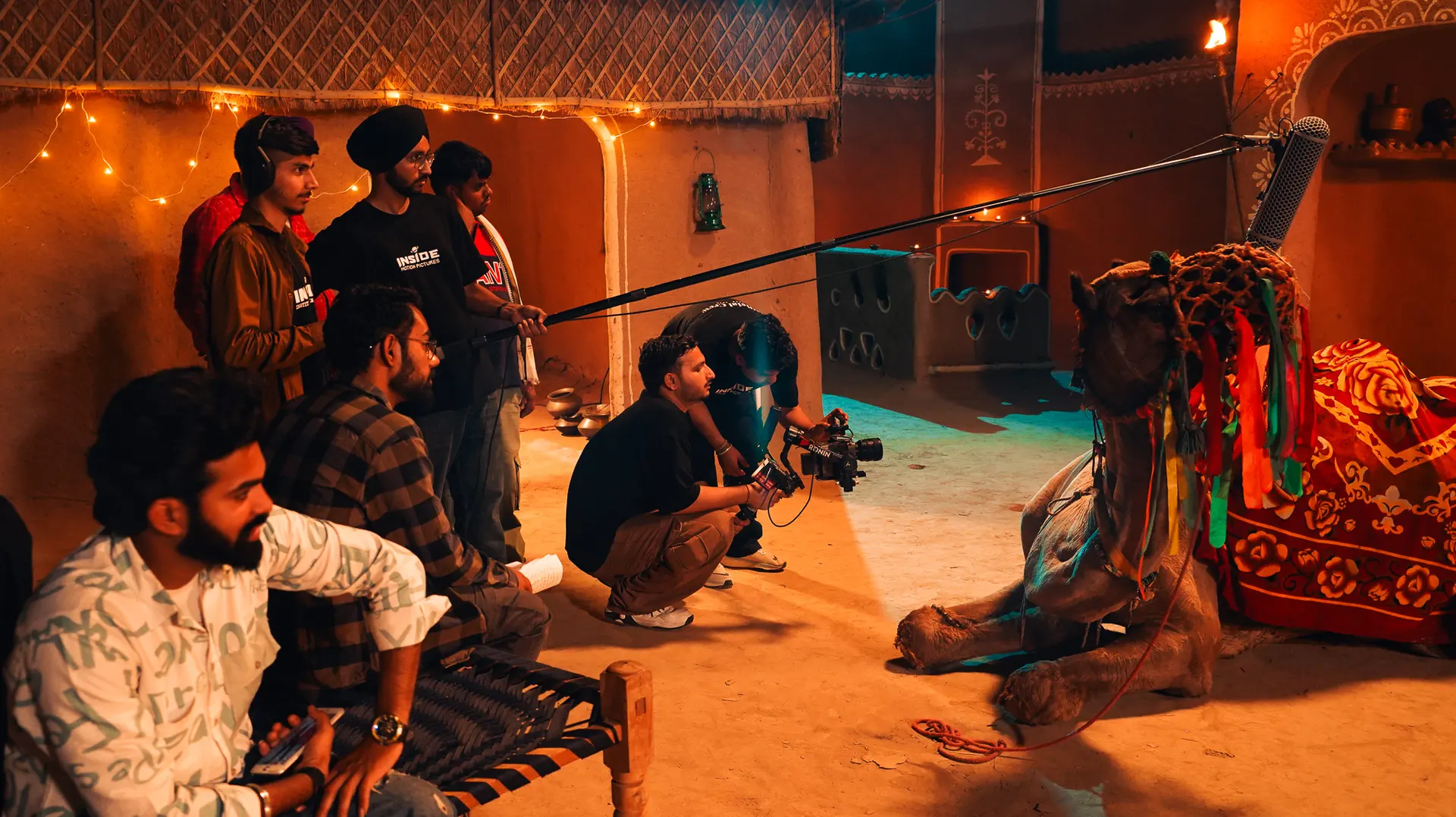
Specifically, I do a lot of projects with students. This year, in 2026, we did 8 to 10 projects, and we’ve done a lot of projects before as well. Students also do a lot of their own projects here, because we’re giving them equipment, giving them facilities, providing them computers, and even giving them budget from our end.
The 8 short films we did recently, we funded ourselves, together with the students. The students were in the crew. In quite a few of those short films, the students are the directors. Some I’ve written, some the students have written. Some students are directors, and for some we hired actors from outside.
Students are involved in every process. In hiring, in the audition process with actors, in their rehearsal process, in pre-production, in assistant direction, in cinematography, in production, going to the shoot, shooting, editing. There’s no process in filmmaking where they aren’t involved.
And in our courses, we’ve also kept things like personality development and client dealing. How you can pitch your film, how you can develop leadership qualities. All of this is there too.
What happens when students actually work
There are students, in my own experience, who came to learn VFX. But they did a lot of practical work, and many of them fell in love with cinematography. Although they went on to follow VFX itself, their VFX improved a lot because of cinematography.
There are many students who didn’t even know about art direction. But they came here, learned art direction, and did really well. I’d say one of them is one of the best art directors I’ve met. Even in the industry, there aren’t art directors of that level. If I compare their experience with someone else’s, someone with 10 years or 5 years of experience, and what this student is doing with just 6 months of experience, I mean, that’s tremendous.
Right now, we’ve shot a whole film together with students, which is upcoming in 2027. Apart from that, we’ve also planned a web series. We’ve shot its pilots, and that too only with students. So the work students have done here is amazing.
And so many of our students are now directors and DOPs, and they’re working in a lot of fields. There are art directors too. I feel so proud of that.
So, what’s the answer?
I guess this answers everything. It doesn’t matter what paper you have, or what degree you have. What matters is what your skill is, and what your intelligence is.
- Practical and skill is everything. You don’t need a degree or a diploma to make films.
- Learn by working, and you finish with experience: the thing you get asked about when you go for a job.
- Don’t look at how much value a certificate has. Look at how much you’ll actually learn.
- 1 year is more than enough to learn practical filmmaking.
- Get the mindset right: you need knowledge and skill, not paper.
Frequently asked questions
Do I need a degree to become a filmmaker in India?
No. Some organisations ask for a degree or diploma, but that’s a very limited space. In most places, the work you get is based on your skill.
Is a degree, diploma or practical course better for filmmaking after 12th?
A practical course. You learn by working, so you already have experience, and experience is what you get asked about when you go for a job.
How long does it take to learn filmmaking?
In my view, 1 year is more than enough to learn practical filmmaking. You don’t need 3–4 years, or even 2.
Do studios check degrees and certificates?
Some studios do, because it sets a standard for them. But in the longer term, if you can’t do the work, you won’t survive.
What should I check before joining a film institute?
Not how much value its certificate has, but how much you’ll actually get to learn there. That’s true for every institute, including mine.
Can I learn filmmaking on my own?
Yes. Even if you learn practically by yourself, you still have that experience. But what you’d learn in 2–3 years outside, you can learn in 6 months to 1.5 years at a good institute.
🎬 If you’d like to see how we work, come and visit us. Book a free campus visit or WhatsApp us on +91 89686 01295.
Also readHow to Choose a Film Institute: What to Check, the Red Flags, and the Questions to Ask
Film School Fees in India: What You’ll Really Pay, and How to Reduce It