



The question: How much does it really cost to learn filmmaking in India?
From very cheap to very expensive, I think every type of institute is available. And in every institute, every type of fee, course and structure is available.
So let’s understand how much you should pay, and what a standard fee is. We’ll go step by step.
First: how much can you pay?
Before anything else, we should understand how much we can actually pay. Because that’s very important.
It’s very important to understand your budget. Don’t overpay for anything. Because nothing comes before your financial condition.
Second: is it value for money?
The second thing comes next. If something fits within your financial condition, then what kind of facilities are you getting for it? This is called value for money.
And this word, “value for money,” is our most important word. However much money we gave, how much was it worth? How much did we get from it?
So what does it actually cost?
Now, what is the actual cost?
If you look at online courses, they start from ₹99 or ₹59. And the decent ones go from ₹2,000, ₹3,000, ₹4,000, ₹5,000 up to ₹10,000 or ₹20,000.
From here, if you go offline, the small offline courses start from ₹10,000, ₹15,000 or ₹20,000, and go up to ₹50,000, ₹60,000, ₹70,000 or ₹80,000. These are around 3 to 6-month courses.
And the longer courses, of 1 year or 1.5 years, go from ₹1.5 lakh to ₹2 lakh or ₹2.5 lakh, and from ₹3.5 lakh up to ₹4.5 lakh, depending on the college or institute.
So the range is very big.
So first you understood your budget. Then, according to that budget, you chose an institute that fits into that fee structure. So the first thing is the institute’s fee itself, because it’s about what you can pay. It’s not about how much they’re asking for. It’s about how much you can give.
Then how do you check the institutes that fit your budget?
Now, among the institutes that fit your fee structure, how will you check them?
For that, you have to see what facilities you’re getting, and what value for money you’re getting.
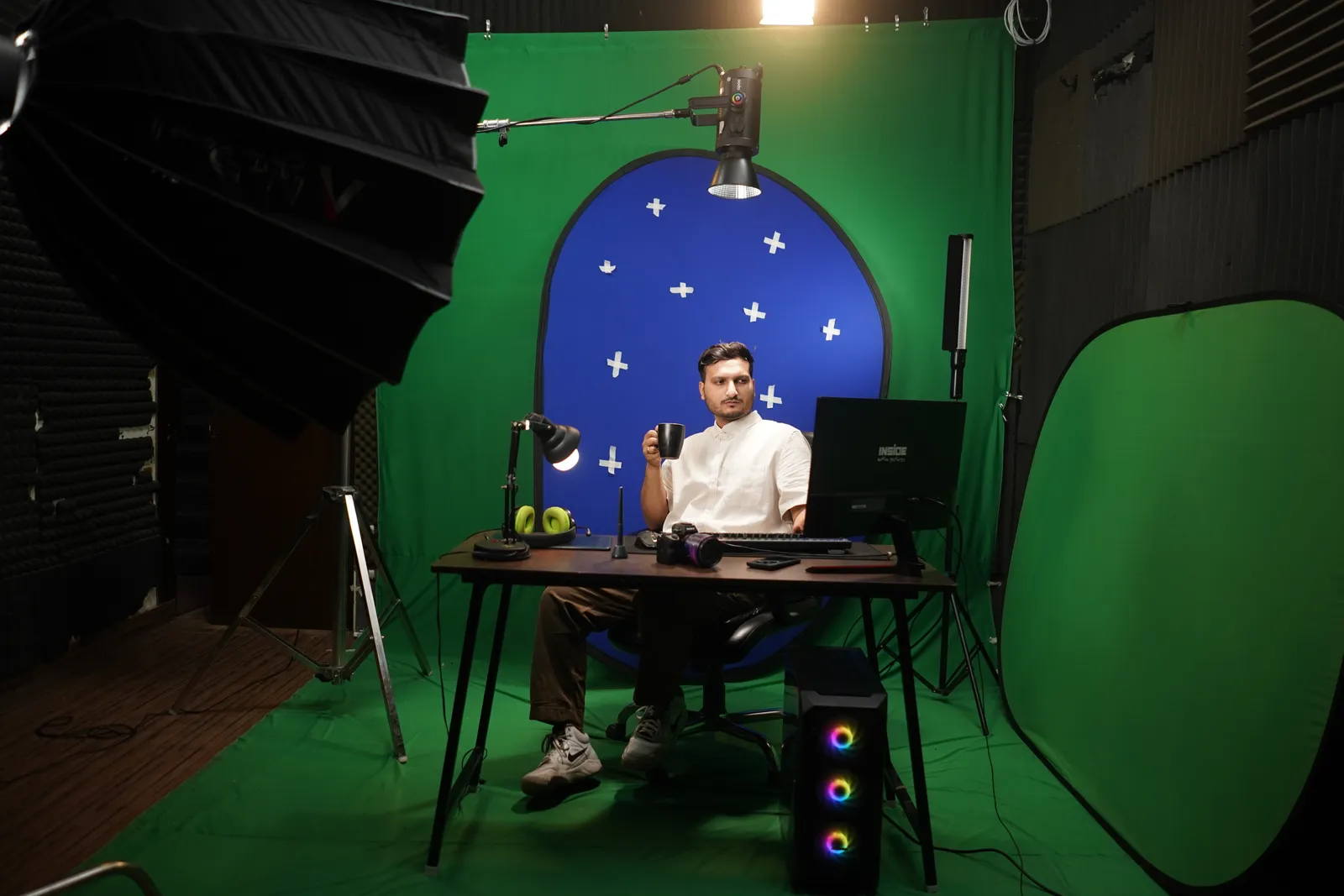
So what is value for money? We’ve discussed this in another blog here too. In facilities, it’s what equipment you’re getting there to work on, and what the environment is like. When you go there, how many projects will you get the chance to work on? How much experience will you gain? What are the teachers like?
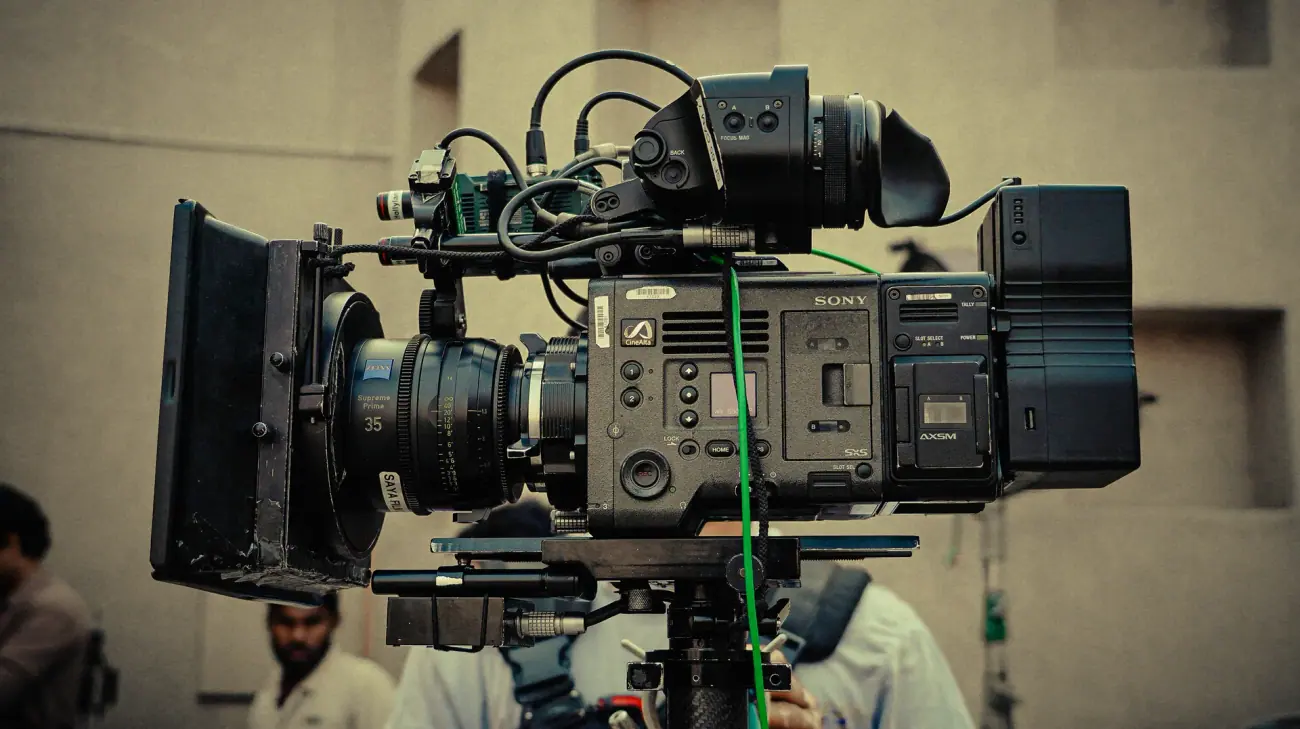
And with the money you’ll put in, how much equipment are you getting, how many things? Because you can’t buy those things yourself.
Think about it like this. If for ₹2 lakh or ₹2.5 lakh you’re getting ₹2.5 lakh worth of equipment, then in the end you might as well just buy it. Okay? There was no benefit in that.
So at the very least, you should get equipment worth a minimum of 4 to 5 times your fee to work on, so that you can do hands-on practice on it.
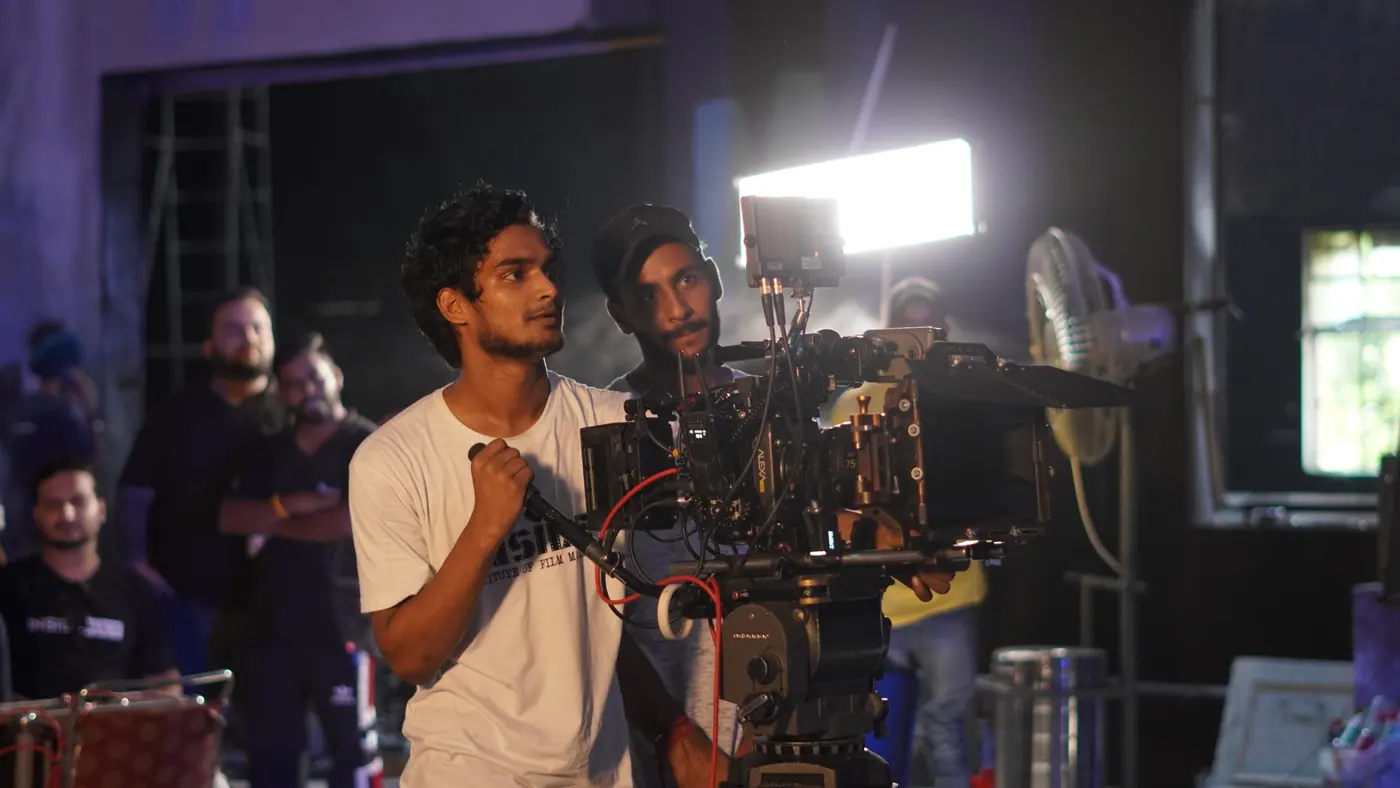

Then comes the next thing: the teachers. What kind of teachers are there? What kind of environment is there? How many projects will you be made to do? How much practical work will you be made to do? That’s very important.
Because if an institute is giving you facilities, and giving you equipment too, but isn’t working practically at all, if the equipment is kept there but they aren’t using it at all, if they aren’t taking you on projects at all, then there’s no benefit in going to that institute.
So that’s where value for money comes from.
“But some institutes charge ₹10–20 lakh!”
After that, you might say: “What you’re saying is fine, and the fees you’ve told us are fine. But quite a few institutes are taking ₹10 lakh, ₹20 lakh for courses.”
That’s also true. That’s a fact.
So is the ₹5 to ₹10 lakh range, or the ₹20 lakh range, worth it? Actually, if you look at it, at the start it’s not worth it.
If you can’t pay, then the first point is the same: you don’t need to take a loan to do this.
So how does it become worth it? If, instead of ₹20 lakh or ₹30 lakh worth of equipment, they get you to work on ₹2 crore, ₹3 crore, ₹4 crore worth of equipment, or you get that there, then it makes sense. If you get the chance to work directly in the industry. If you get the chance to work on films that actually release. If the people there are of that level, doing that work, then it makes sense.
Otherwise, this is too much overpricing.
So what is a fair fee?
If anyone is asking you for more than ₹4–5 lakh for a course, that’s too much overpricing in filmmaking.
The right pricing is anywhere between ₹50,000–60,000 and ₹2–2.5 lakh, and ₹3 lakh. Even ₹3–3.5 lakh, I’d say, is decent, if someone is giving you something really good.
It’s not just the fee
Now the second thing. It’s not only and only about the fee you’re paying. You’ll also pay rent. You’ll also pay for food. You’ll also buy a laptop. You’ll travel. You’ll go on shoots. All of these things are there.
So which institute is arranging some way for you to stay within the fee itself? Or arranging something for your food? Or giving you a laptop, or some service like that within it?
Or suppose you’re getting the chance to work on computers at the institute, to work on the equipment. And if you go on a shoot, do they cover any of your expenses on the shoot or not? Do they give you a budget to do your own shoot or not?
That’s also important for you to understand.
Now, how can a student reduce the cost?
There’s the option of scholarships in quite a few institutes. Look at that. Perform well, get the scholarship. That’s the best thing.
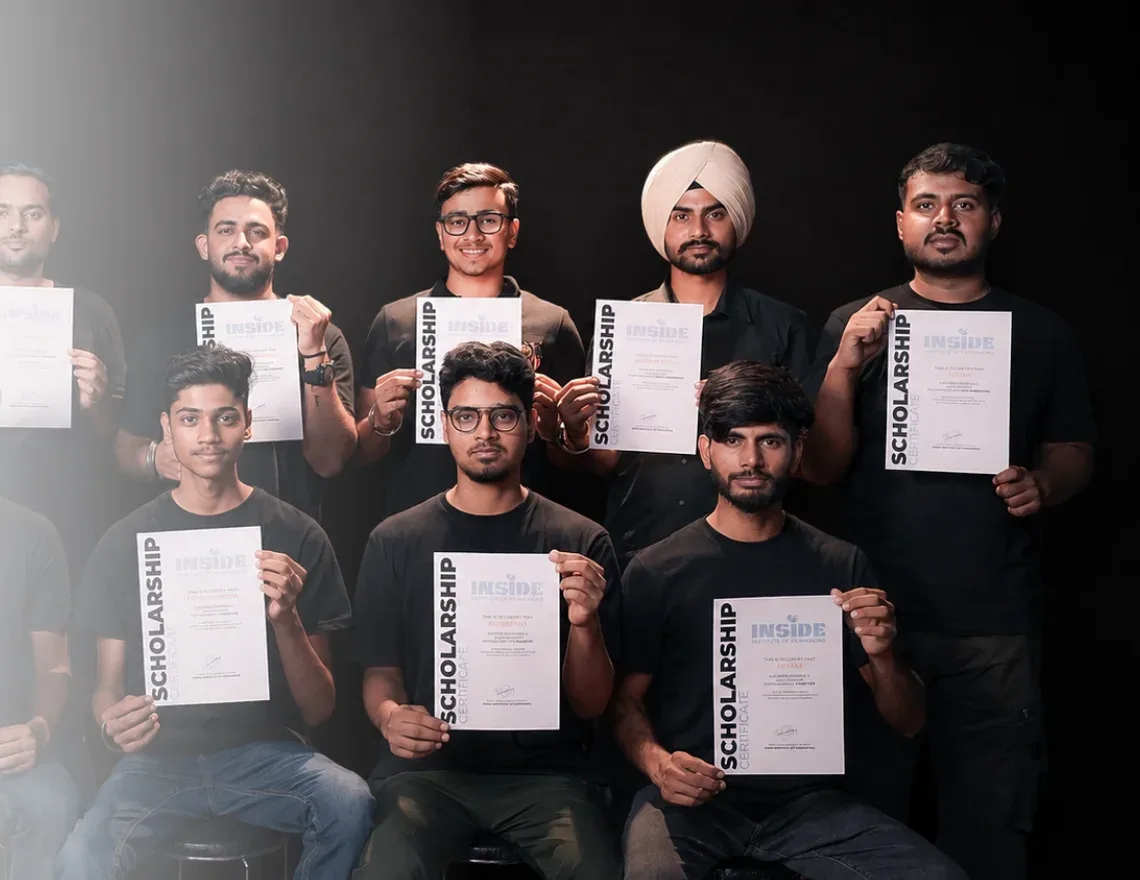
If someone has made instalments, then you pay according to the instalments. That’s the best thing. The institute that hasn’t kept many instalments, understand a little that it’ll be difficult for you. The one that has more instalments, suppose it’s a 1-year course and they’ve made 5, 7 or 8 instalments, that’s good for you. In short courses you usually don’t get instalments. In longer ones you do.
Then you have to think: should I work part-time? Should I first pay the fee and learn? Or should I learn for free? That’s your choice.
Look, you can learn for free too. Give it 3 to 6 months and see. Understand yourself: how disciplined you are, how much you can learn. Absolutely, I’m saying you should try it.
There’s no more data available anywhere than on YouTube. You just won’t get a mentor or a guide. But life teaches you too, my friend. It’ll take a little more time. Then you can learn by working part-time, or by working with someone. It’s just that whatever way it goes, that’s how it’ll be. There won’t be a proper curriculum.
So try to learn in a curriculum. That’s better, and it’ll be beneficial for you too. So that’s my suggestion.
How do you talk to your parents about the fees?
Then comes the question of how to talk to your parents about the fees.
In my view, explain to your parents that it’s technically an investment. Because what parents think about is what you can do next, and how you can grow in this.
So it’s an investment. It’s not “I want to do this course because I feel like it.” It’s: how will I take this forward as a career? What are my opportunities like? That’s why I want to invest this time and this money in myself. If I invest this time and money somewhere else, in some other course, will I benefit or not, and how? And if I’m getting the same benefit here, then why shouldn’t I invest?
That’ll become clear. So most probably, your parents will agree.
Second, parents worry about the institute’s authenticity and all those things. So take your parents to visit the institute. Or show them the website, show them the Instagram, show them their work, get them to talk to the students. In whatever way you feel trust gets built, tell them those things. And tell them about your interest too.

If your parents still don’t agree, then do a little something in this field from your own end and show them. Make a film. Make it on your phone. So that they feel: “Our child is talented, is working, is putting in hard work, and won’t stop.” That becomes very important.
Is a cheap course a trap?
Now, suppose you took a cheap course, or a very expensive one. Is that a trap?
A cheap course isn’t necessarily a trap. Even if a course is cheap, that’s not necessary.
It’s not about cheap or costly. It’s not about whether you’re getting it cheap or expensive. It’s about how much value it’s giving.
Something that costs ₹10 lakh and is giving you ₹10 lakh of value, ₹12 lakh of value, ₹15 lakh of value: that’s a great ₹10 lakh.
Something that costs ₹1 lakh and isn’t giving you even ₹50,000 of value, or even ₹20,000 of value: that’s poor.
So it isn’t about money at all. All of it, the whole thing, is about value. Just like we talked about at the start.
Now, how did we set our fees?
Now we come to how we’ve set our fees at Inside Film Institute.
Our institute’s fee is mainly set on the basis of a few factors.
Number one: what equipment and facilities we’re providing you. Because they have a running cost, so at minimum, that’s included in it.
Second, what else are our running costs? Rent, electricity, all these things that will get used when students come. What’s the basic cost of that? That’s added into it.
Then comes the next thing. When you come here, we get you to do projects practically, and we spend on that too, because we put budget into it. So according to that, we’ve kept some part for that. That’s your project fee, and all of that.
Then there’s the tuition fee, which is related to the effort it takes us to teach you.
And whatever other expenses happen on your projects, on your things, on the facilities we’re giving you here at the institute: if something needs repairing, if some problem comes up, if something needs upgrading in the future, we keep that accordingly.
So it’s been set very thoughtfully. Every part is divided, with a reason for why it’s there.
And we’re providing proper instalments, so that you can pay your fee comfortably.
We try to give you value for money. And our promise is this: with all the students who have been here so far, we know we have given value for money. Because of how much we get done. Look at our website, look at our YouTube, look at our Instagram. Go anywhere and check, and you’ll see how much work we’ve done.
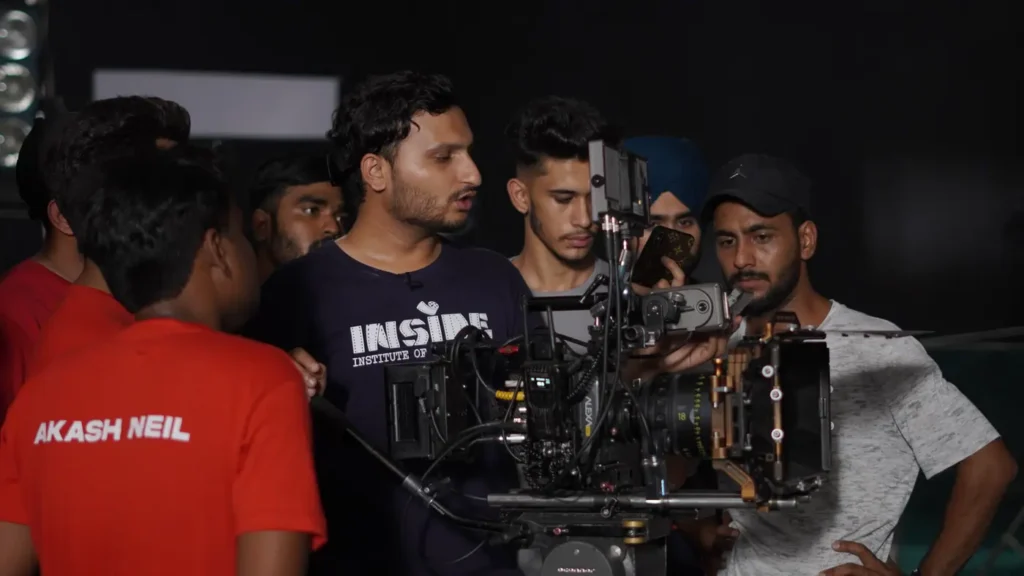
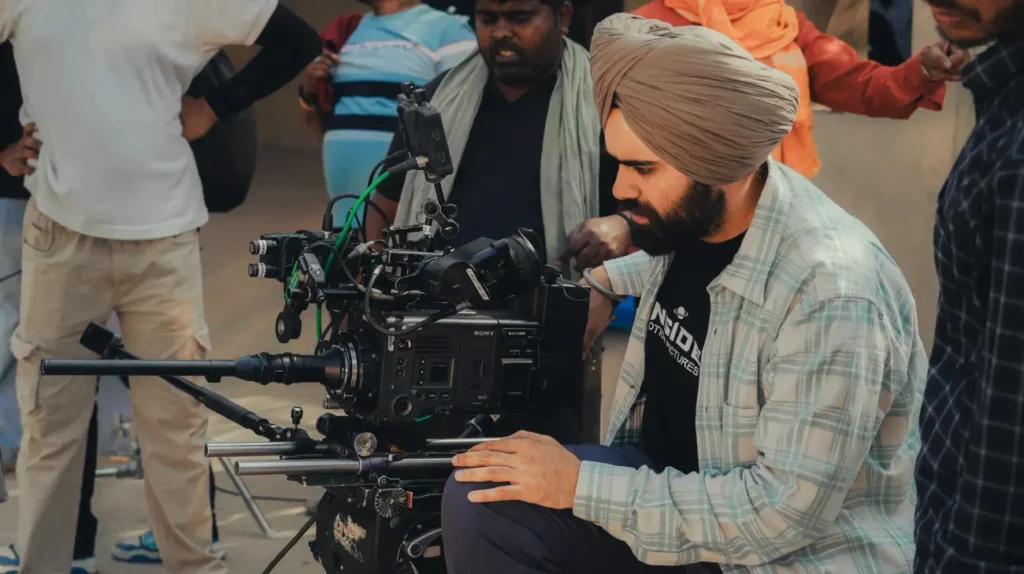
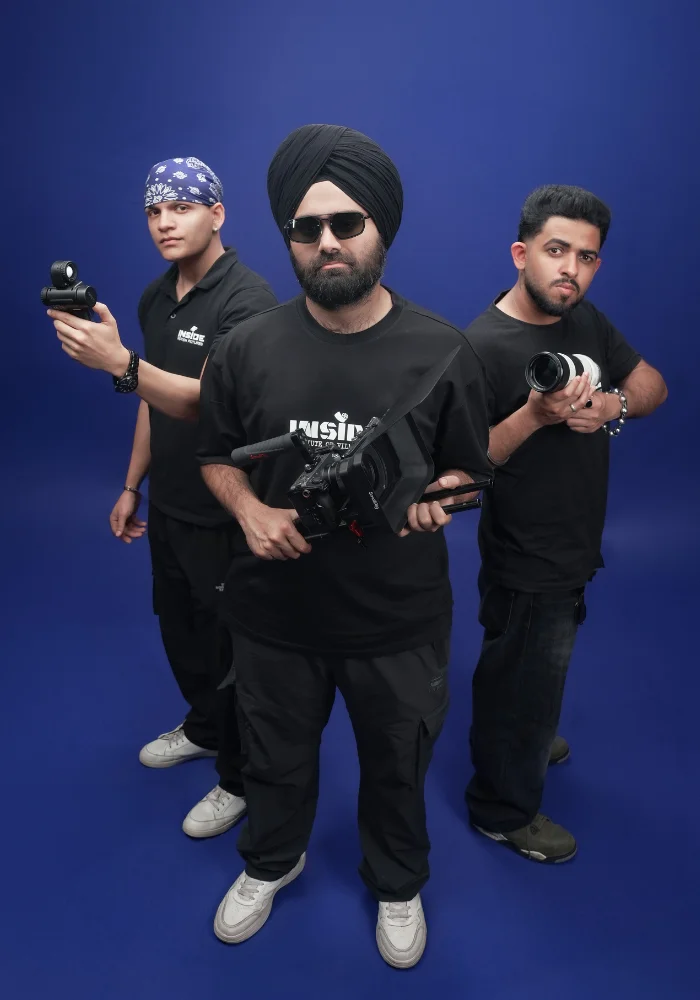
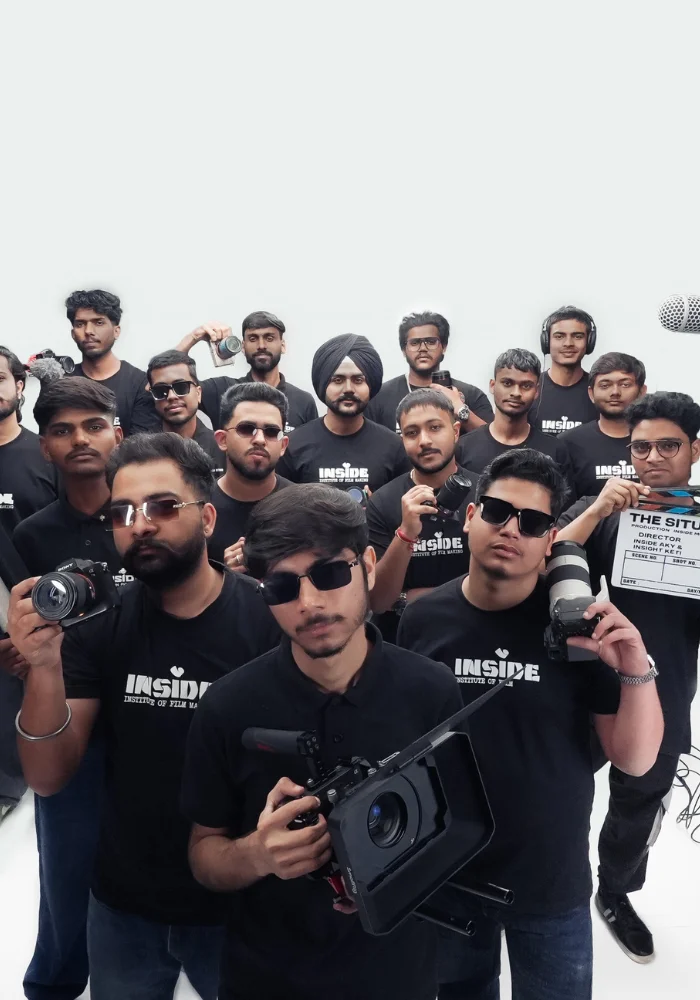
Even the photos, the videos, the BTS, anything you see, mostly the students shot it, and the students edited it. Majorly, all the work here is done by the students themselves. So that’s the kind of exposure you get. So there will always be value for money.

What about earning while you study?
A student should also think about how they’re going to earn after the course.
You’ll have to understand this. While you’re doing the course, it’s better if you don’t get too caught up in earning. If a scholarship can cover part of it, that’s best, because otherwise your attention gets diverted.
But still, you get an environment. You meet the old students. Like in our institute, there are a lot of old students and new students, and you meet them. You get some work. So of course, definitely do that work, if it isn’t taking up too much of your time.
So you should work part-time, and along with that, your fee will get recovered too. That’s a very good thing.
And what if you’re struggling to pay?
Sometimes it happens that students struggle to pay their fees.
So our effort is to tell them: “Focus a little on the scholarship.” That’s number one.
The second thing is that there’s no need to pay it all at once. You can pay it in instalments.
And if you work a little in parallel, part-time, you can pay that way too.
But still, I tell every student this. If you can’t pay the fee, as much as it is for the course, then try not to commit. Because that’ll be a burden on you, and your experience will get spoiled. I don’t want you to have the tension of “I’m not able to pay the money,” either.
Better than that, choose whatever fits into your budget. Or arrange the money first, and then join.
- Look at the fee according to your budget. Don’t overpay for anything.
- “Value for money” is the most important word: compare what you actually get.
- You should get equipment worth at least 4–5 times your fee to practise on.
- A fair fee is roughly ₹50,000 to ₹3–3.5 lakh. More than ₹4–5 lakh is overpricing.
- If you can’t pay the full fee, don’t commit. Use instalments or a scholarship, or choose what fits your budget.
Frequently asked questions
How much does a filmmaking course cost in India?
Online courses start from ₹99 or ₹59, and decent ones go up to ₹10,000–20,000. Short offline courses of 3–6 months cost from ₹10,000–20,000 up to ₹50,000–80,000. Longer courses of 1–1.5 years cost from ₹1.5 lakh up to ₹4.5 lakh, depending on the institute.
What is a fair fee for a filmmaking course?
Anywhere between ₹50,000–60,000 and ₹2–2.5 lakh, and ₹3 lakh. ₹3–3.5 lakh is decent too if the institute is giving you something really good. Above ₹4–5 lakh is too much overpricing in filmmaking.
Is a ₹10–20 lakh film course worth it?
At the start, it’s not worth it, and you don’t need to take a loan for it. It only makes sense if you work on ₹2–4 crore worth of equipment, and get to work directly in the industry on films that actually release.
How much equipment should a film institute give me?
At least 4–5 times the value of your fee, so that you can do hands-on practice. And the institute should actually use it and take you on projects.
How can I reduce my film course fees?
Perform well and get a scholarship, choose an institute with more instalments, work part-time if it doesn’t take too much of your time, or try learning free for 3–6 months first.
How do I convince my parents to pay for a film course?
Explain it as an investment, show them how you’ll take it forward as a career, take them to visit the institute and talk to the students, and show them your own work, even a film made on your phone.
Should I join if I can’t afford the full fee?
Try not to commit. It’ll be a burden on you and your experience will get spoiled. Choose what fits your budget, or arrange the money first, and then join.
🎬 If you’d like to see where the fee goes, come and visit. See the equipment and the student work, and ask us about instalments and scholarships. Book a free campus visit or WhatsApp us on +91 89686 01295.
Also readDegree, Diploma or Practical Course? What Really Matters in Filmmaking After 12th
How to Choose a Film Institute: What to Check, the Red Flags, and the Questions to Ask