




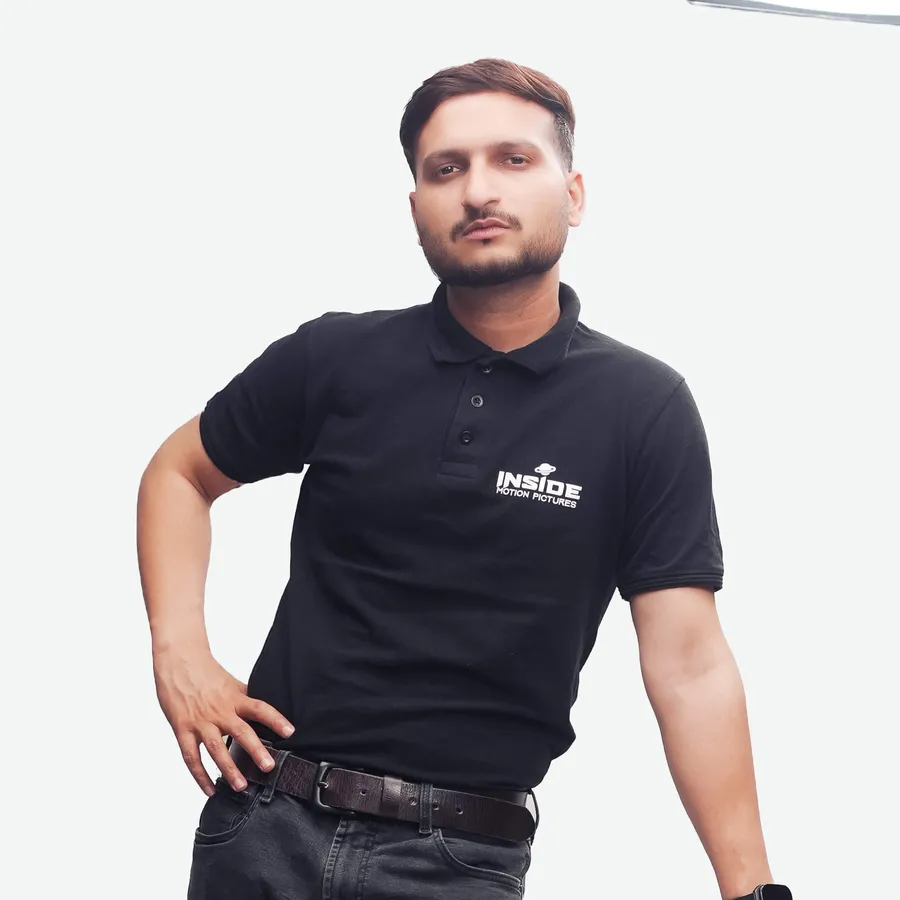
“Cinema, Filmmaking or VFX? I just can’t decide.” We hear this from students almost every week. All three are about making films, so the confusion is fair. Here is the simple way our founder, Akhil Kumar Yadav (InsideAKY), explains the difference.
What is the difference between Pro Cinema, Pro Filmmaking and Pro VFX + AI?
Some things are common, some are different. Technically, cinema is filmmaking too. The difference is in how each course is built: what you spend your days on.
Who is Pro Cinema for?
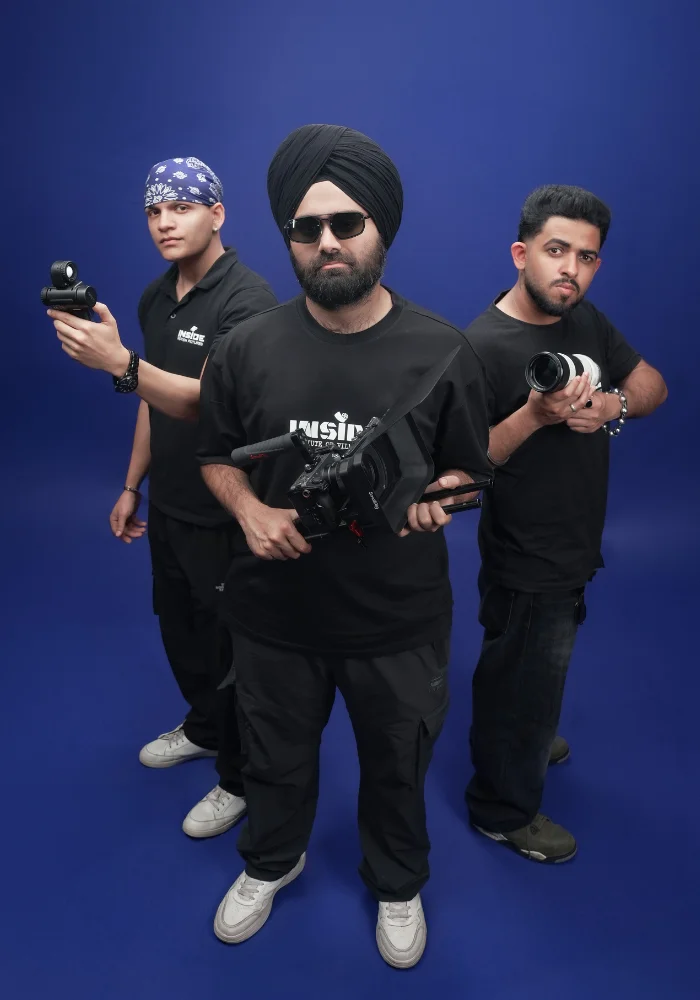
Pro Cinema (6 months) is shooting only: direction, cinematography, art direction and production management. No editing. It is for you if you love the camera and the shoot, and don’t want long hours at a computer. Very good DOPs, art directors and production managers can come out of it. You will learn how good direction works too, but a complete director also needs editing knowledge.

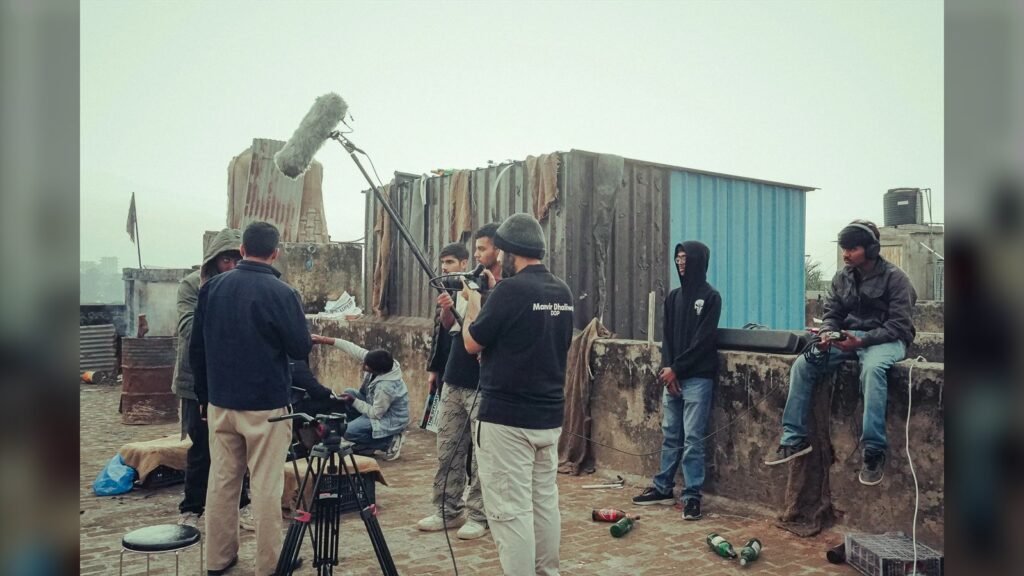
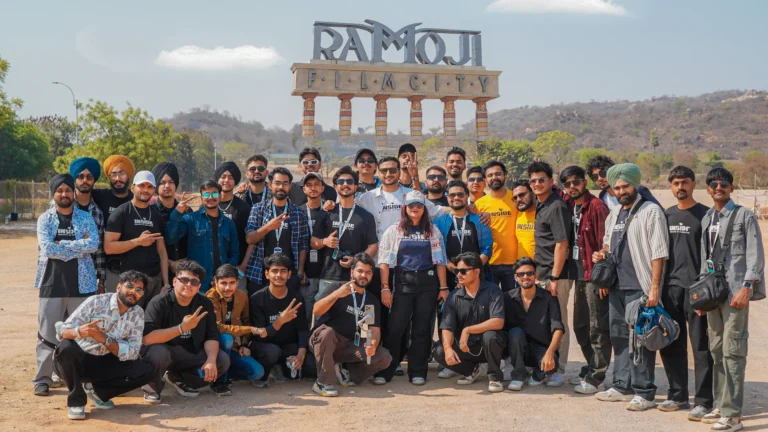
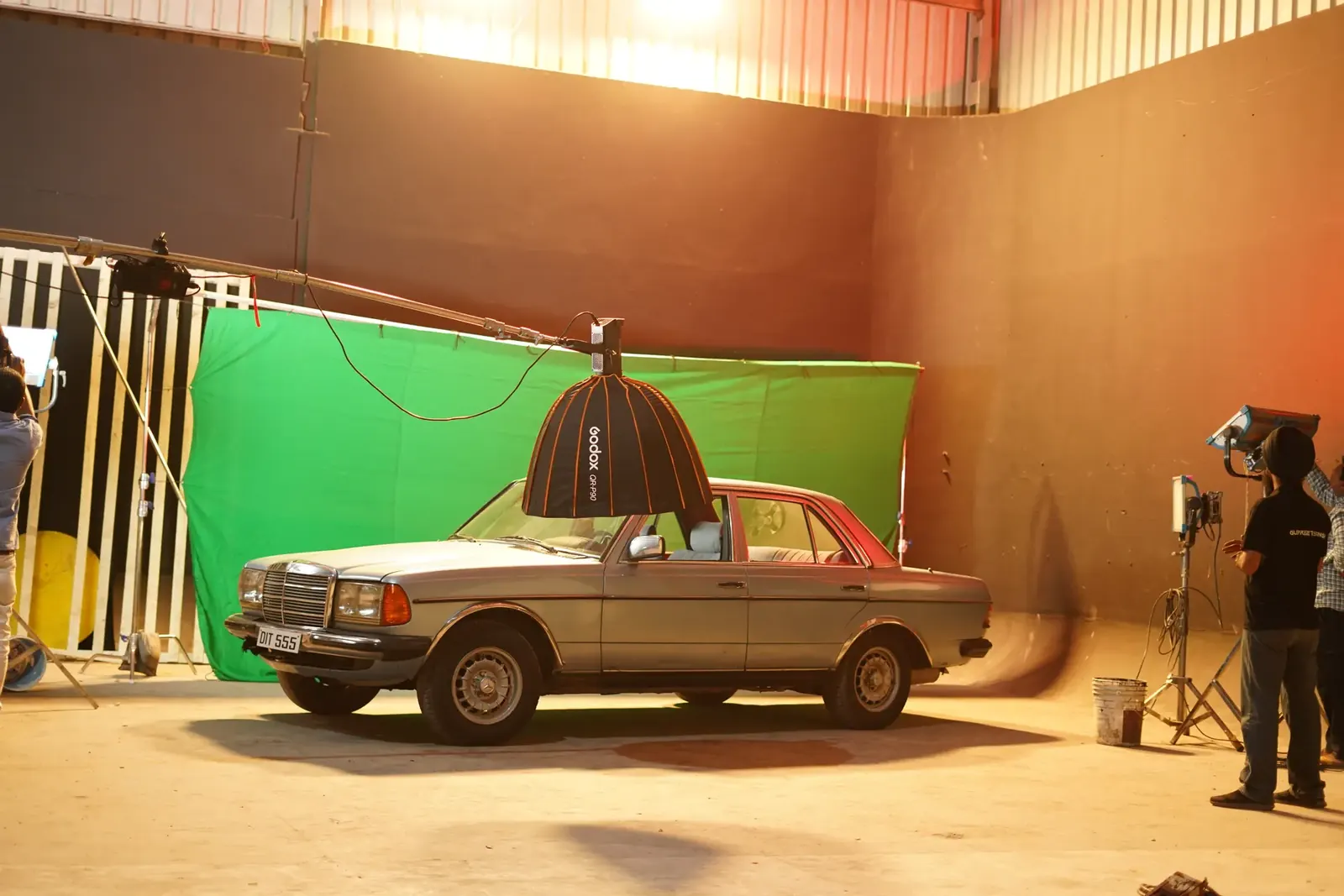
The big part of Pro Cinema: real shoots. Students work on Inside’s own real films and series. They assist in direction, DOP, art and production, alongside Inside alumni, staff and the main team. Training is taught separately; on the project you carry real responsibility, like an actual team member. And because you work as crew, you get crew credit. After the shoot come review meetings, and each student gets personal guidance.
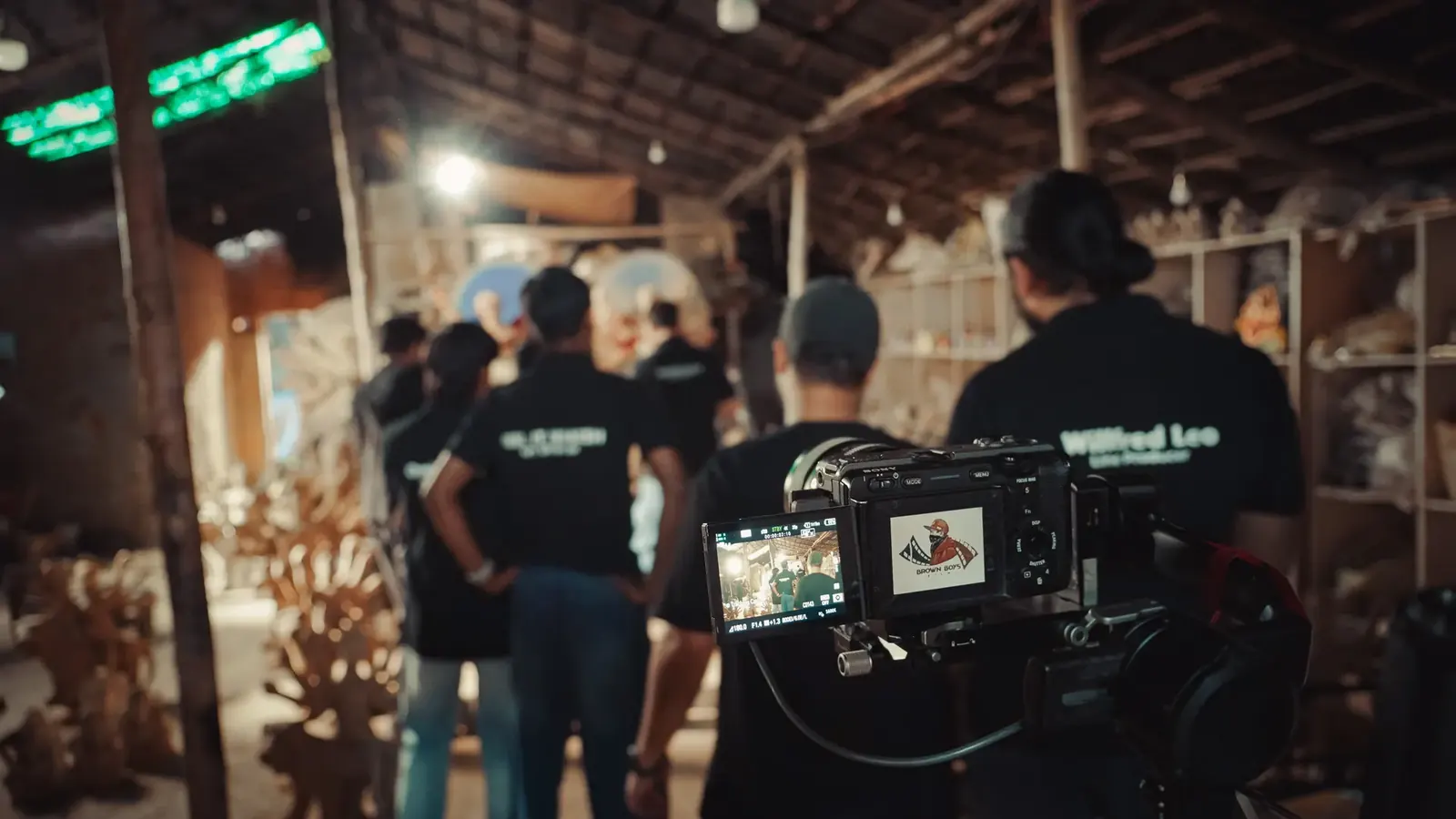
Akhil calls it a proper mentorship programme.
Who is Pro Filmmaking for?
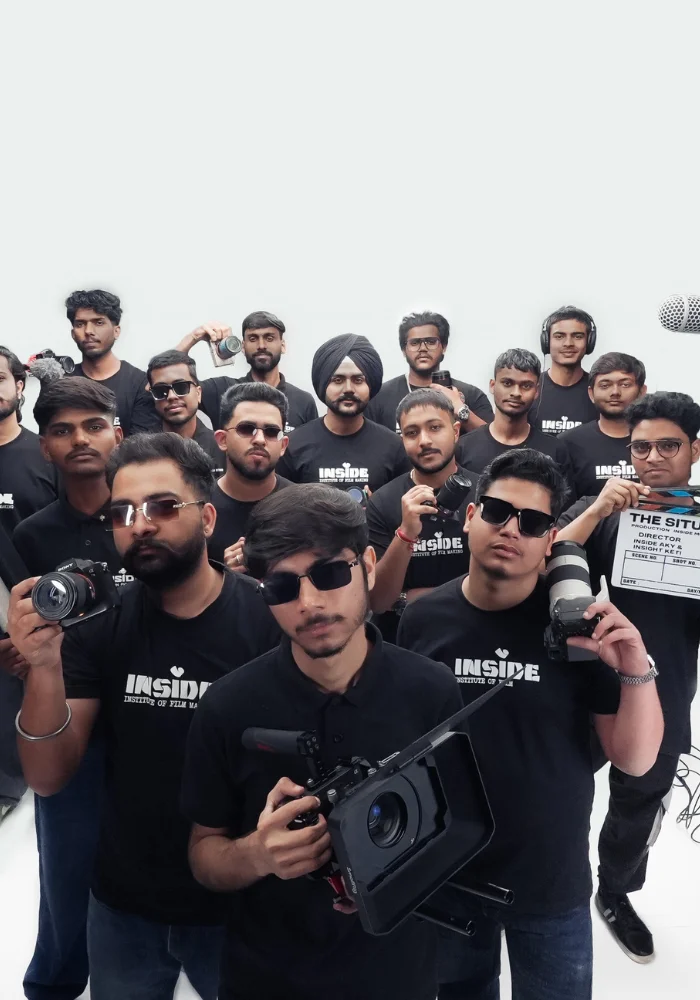
Pro Filmmaking (12 months) is shooting plus editing: the complete filmmaker. Script writing, shooting, cinematography, art direction, editing, VFX and sound.
In Akhil’s words, it runs from thinking of the movie to the final render.
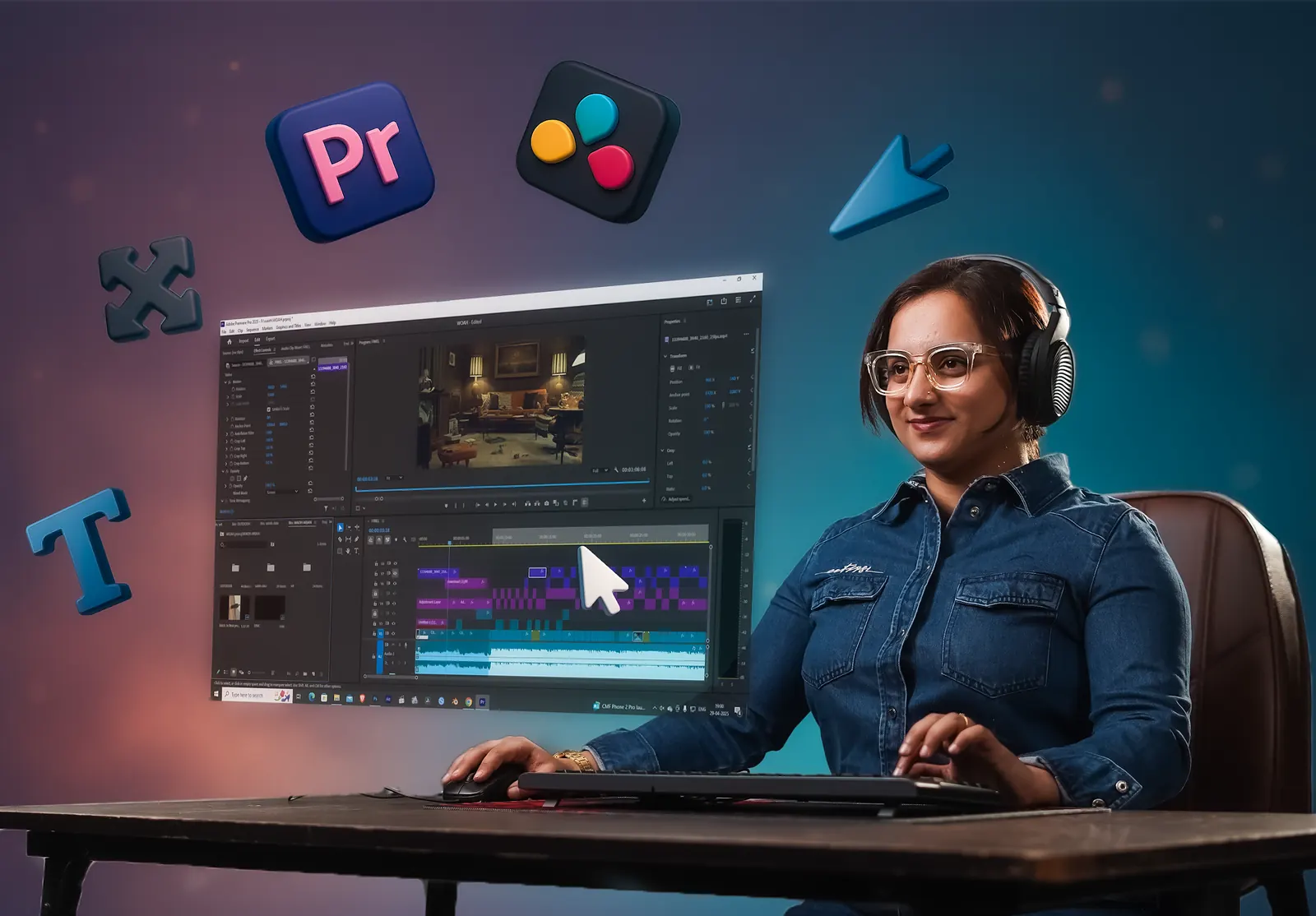
It is made mainly for future directors: people who want to write their own script, edit it, and handle all the teams. If that is your dream, also read how to become a film director in India after 12th.
Who is Pro VFX + AI for?
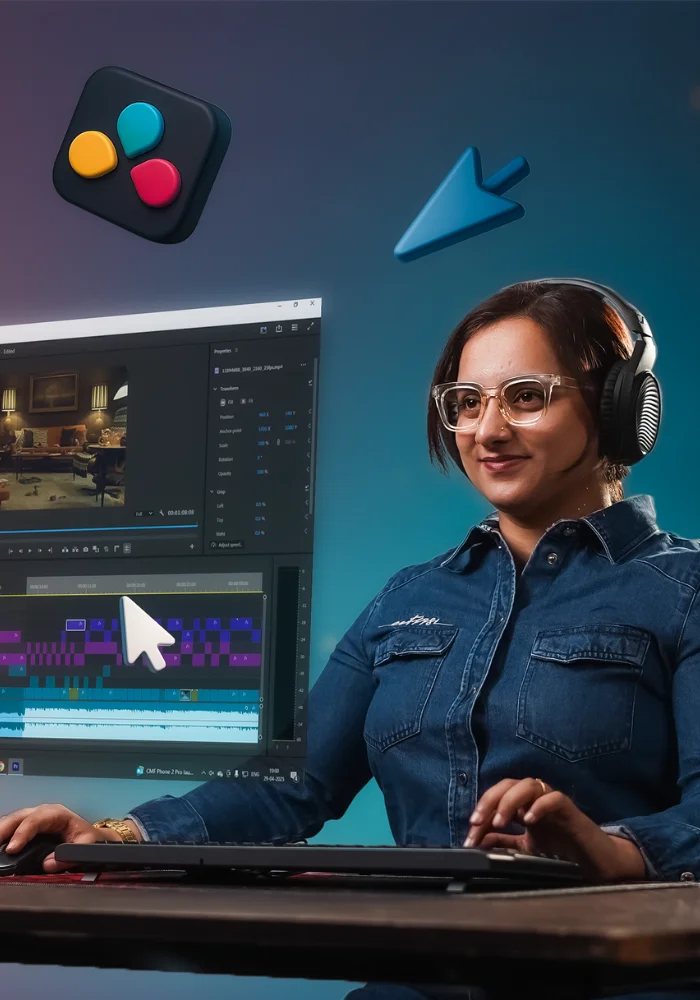
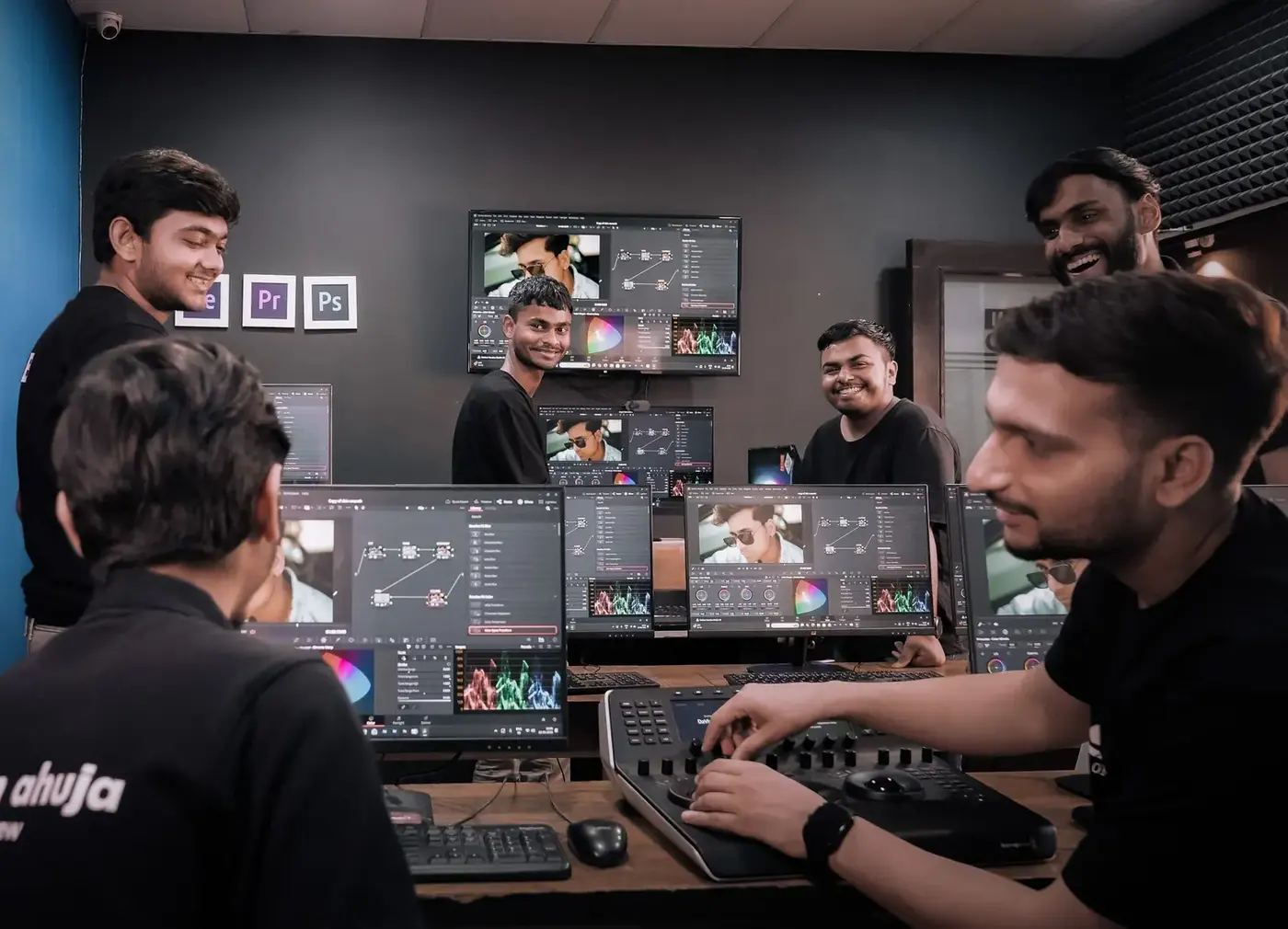
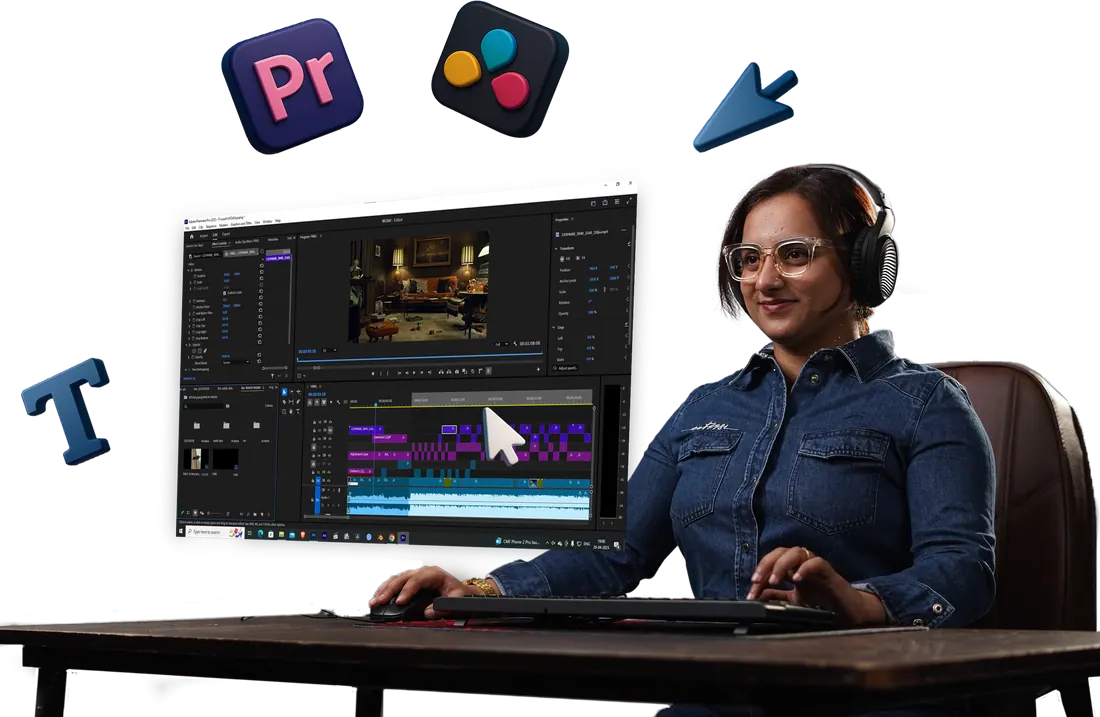
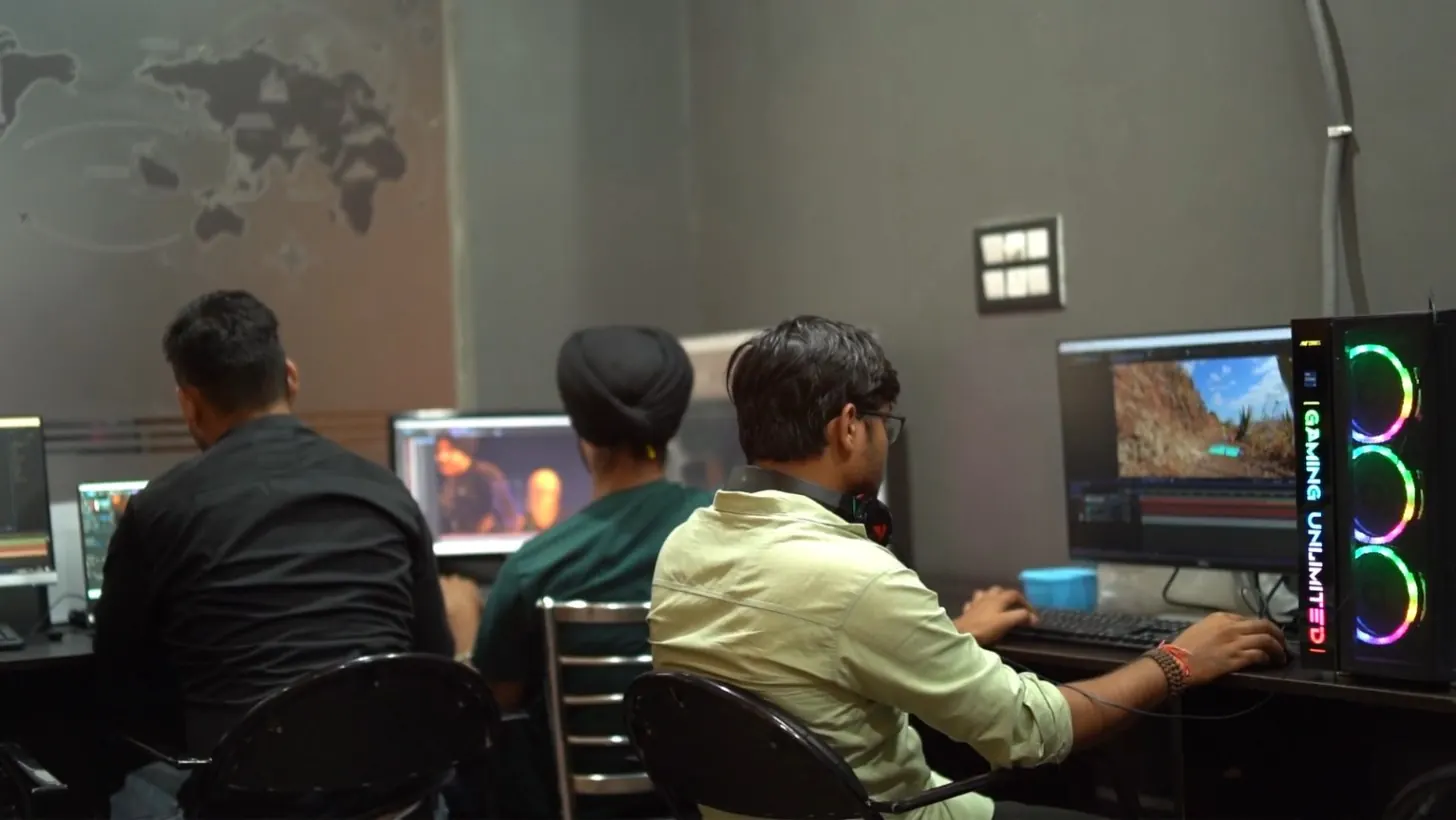
Pro VFX + AI (12 months) is for future VFX directors, VFX artists, CGI artists and VFX + AI artists. It suits you if you prefer working on a PC, with software, VFX and editing, more than being on a shoot. It is still practical: lighting and art matter a lot in VFX, so you get shoots here too, taught from the VFX point of view. More in is VFX a good career in India and VFX or video editing: which is better for you.
So which course is best for me?
Use this simple rule:
- You love the camera and the shoot, not editing: Pro Cinema.
- You want to be a complete director: Pro Filmmaking.
- You love software, VFX and CGI, and want to be a VFX director or artist: Pro VFX + AI.
One quick test you can do tonight: think of your favourite film scene. Is your first thought “how was that shot?”, “why did the director tell it that way?”, or “how did they make that look real?” That first thought is a good hint. Want to see what each course’s days look like? Read a day in the life of a film student.
What if I still can’t decide?
Then talk to us. We will ask what you want to become, and why, and guide you honestly, even if the answer is a course we don’t teach. That is our promise: we will never misguide you.
Frequently asked questions
Does Pro Cinema include editing?
No. Pro Cinema covers direction, cinematography, art direction and production management. Editing is part of Pro Filmmaking and Pro VFX + AI.
Which course is best to become a director?
Pro Filmmaking. It is built for directors who write, shoot and edit, and handle every team, from the idea to the final render.
Do Pro Cinema students get credit on the real shoot?
Yes. They work as crew members, so they get crew credit.
Is Pro VFX + AI only computer work?
No. VFX students also do shoots, because lighting and art are very important for VFX. The shoots are taught from the VFX point of view.
How long are the courses?
Pro Cinema is 6 months. Pro Filmmaking and Pro VFX + AI are 12 months each.
Tell us what you love, we’ll tell you the course
WhatsApp “COURSE” to +91 79739 15679 with one line about the films you love. We’ll guide you to the right one. We Love Cinema.
Rate this blog
Know someone who loves cinema? Send them this.
Comments
No comments yet. Be the first to share a thought.