




Most beginners ask, “Which software should I learn to become a VFX artist?” A viewer asked InsideAKY a sharper version on a YouTube live: “Not the software, but which thing should I learn in the software?” His answer is the best VFX roadmap we can give you, and it starts somewhere most people don’t expect: with the frame, not the computer.
Watch: what to learn first for VFX
Skill 1: understand that VFX is part of filmmaking
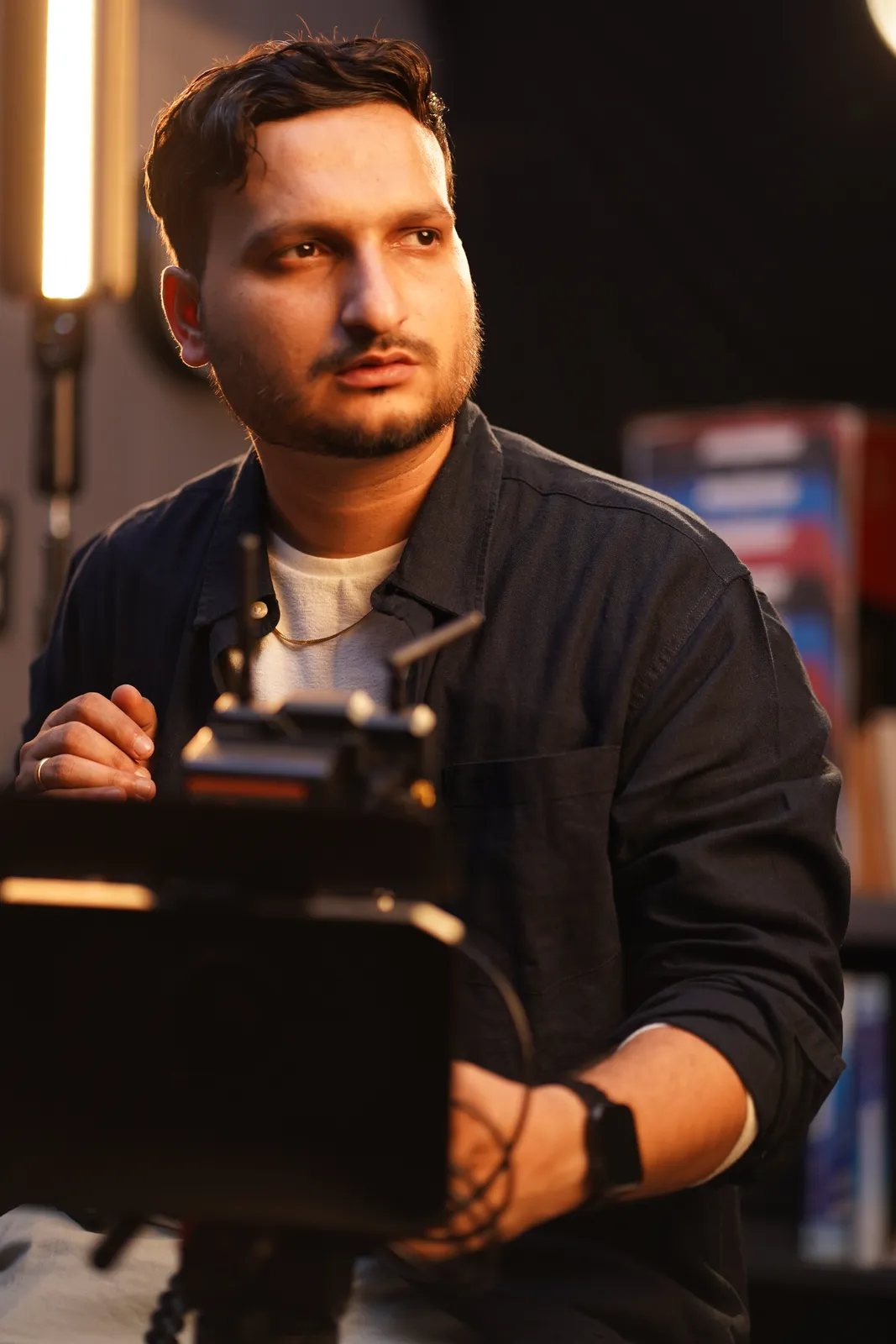
Akhil’s first point: VFX is not a separate world. Whether you are making a film, a song, a story or a graphic, VFX creates one part of it. So ask yourself: if this were shot for real, what would it look like? To answer that, you need to understand the frame: what should be in it, its colours, which elements create which feeling, the textures, the light, and how the actor is performing.
“तो अगर आपने आपने अगर सिनेमेटोग्राफी सीख ली या आर्ट डायरेक्शन सीख लिया या फिल्म मेकिंग सीख ली, डायरेक्शन सीख लिया तो आप इंप्रूव हो जाओगे वीfएक्स में।”
InsideAKY. In English: if you learn cinematography, art direction, filmmaking or direction, you will improve in VFX.
He is honest that he did it the other way round: he learned VFX first and filmmaking later, and that path also works. But his suggestion is to learn both in parallel, because knowing “what should be in the frame” makes VFX much easier. Start with what cinematography is and how to frame a shot.
Skill 2: learn the basic terms before the tools
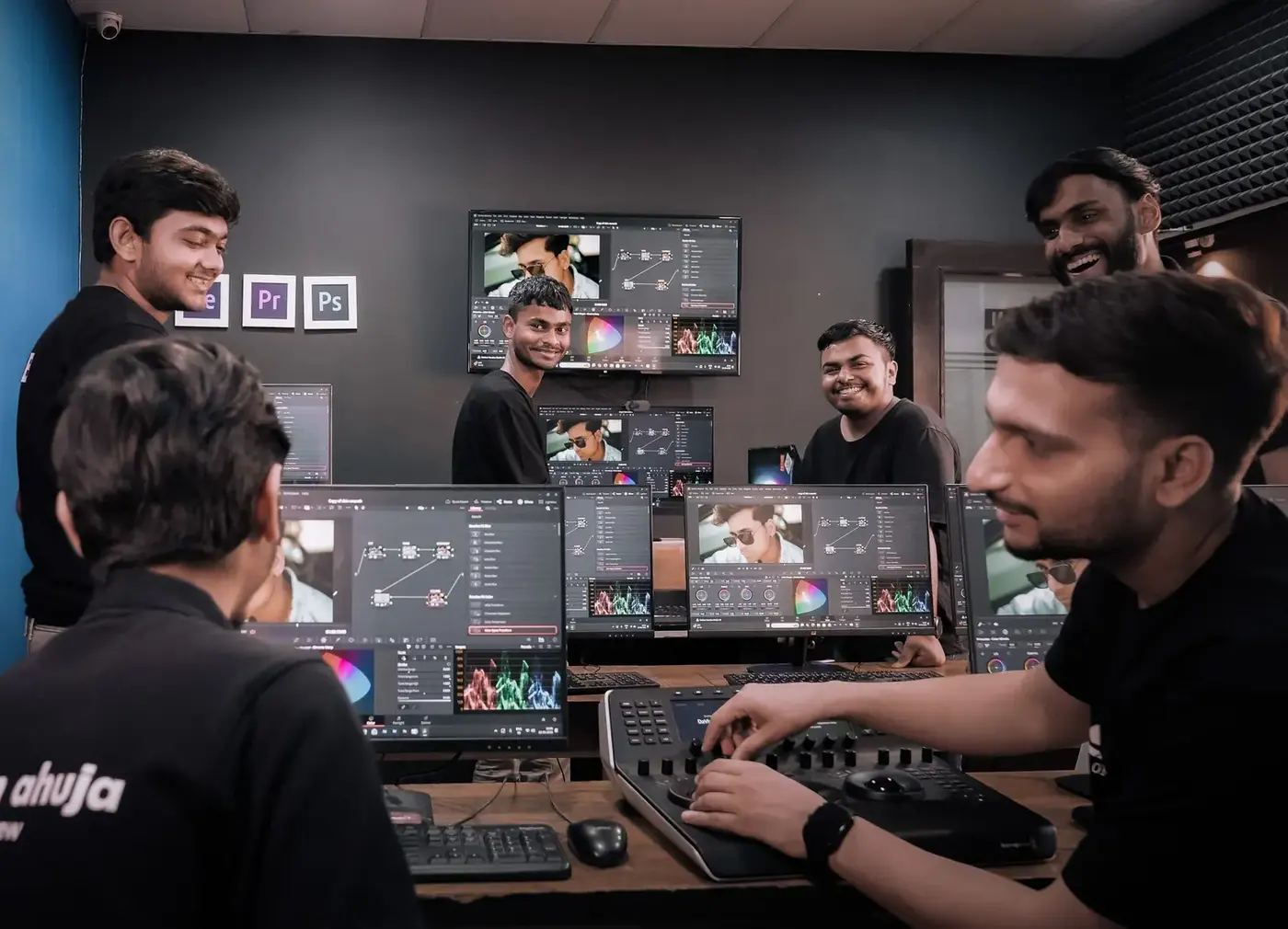
Inside the software, Akhil says, first understand the basics and their names: what rotoscopy is, what tracking is, what match moving (2D and 3D tracking) means. Once you know the terms, learning which tool does what becomes simple.
- Masking and rotoscopy: cutting a person or object out, frame by frame. Tutorial: how to rotoscope in After Effects.
- Tracking: 2-point, 3-point and 3D camera tracking, so added elements stick to moving footage. Tutorial: motion tracking in After Effects.
- Green screen removal (keying): clean edges, hair, spill. Tutorial: how to remove green screen.
- Focal length: knowing your lens so the background matches the plate.
Skill 3: compositing, the most important step
Akhil calls compositing the important step: merging the real shoot with the background, and blending things in so they look good. It is a group of small techniques, and he lists them one after the other:
- Light wrap, so the background light spills onto the edges of the subject
- Light matching and focus matching
- Grain matching
- Compositing fire and other elements
- Masking, feathering and blending
- Creating reflections
“बहुत सारे एलिमेंट्स हैं छोटे-छोटे तो उस पर अगर आप फोकस करोगे तो सीख जाओगे बढ़िया सीख जाओगे बट बेसिक्स आप समझ लो।”
InsideAKY. In English: there are lots of small elements. If you focus on them you will learn, and learn well. But understand the basics first.
See all of these together in our VFX compositing tutorial.
Skill 4: 3D and CGI, when you are ready
After compositing, many artists add 3D: models, environments, simulations. In the podcast Akhil recommends Blender for anyone who wants to go into CGI, because it is free, easy to use, and its quality and demand have grown a lot. Start with our Blender tutorial for beginners.
Why VFX? Akhil’s own reason
In The Knowledge Connection podcast, Akhil says he never planned to be a VFX artist. He wanted to be a filmmaker and storyteller. He came to VFX almost by chance, and loved it for one reason: a starting filmmaker has no budget, and VFX has unlimited possibilities.
“मैंने कहा ये वीएफ एकस वाला पार्ट अच्छा है कुछ भी बना सकता हूं मैं अपनी फिल्म बनाऊंगा खुद ही बना लूंगा”
InsideAKY. In English: I said this VFX part is good, I can make anything. I’ll make my own film, I’ll make it myself.
He started by making effects, following artists online, shooting small ideas with a friend, and posting them on social media. Music video work followed from there. If you want the career side (jobs, studios, freelancing), read is VFX a good career in India.

Your VFX roadmap: a 12-week practice plan
- Weeks 1-2: Frame basics. Recreate 5 frames from films you love with your phone. Note the light and colours.
- Weeks 3-4: Masking and roto. Cut yourself out of a 5-second clip.
- Weeks 5-6: Tracking. Stick text, then a screen replacement, onto a moving shot.
- Weeks 7-8: Keying. Shoot against a green cloth with even light and key it cleanly.
- Weeks 9-10: Compositing. Put your keyed shot into a new background. Match light, focus and grain.
- Weeks 11-12: One finished shot with a before/after, posted for feedback. That is the first piece of your showreel.
Akhil’s closing words in our course Q&A sum up the attitude: “वीएफएक्स पैशन का गेम है। सो बी पैशनेट, स्टे पैशनेट” (VFX is a game of passion, so be passionate and stay passionate). Worried that VFX is too hard? Read is VFX hard to learn.
- VFX is part of filmmaking. Learn what should be in the frame, in parallel with software.
- Learn the terms first: roto, tracking, match moving, keying.
- Compositing is the key step: light wrap, light, focus and grain matching, blending.
- Add 3D later; Blender is a free, strong place to start.
Frequently asked questions
What skills are required for a VFX artist?
An eye for the frame (light, colour, composition) plus software skills: masking and rotoscopy, tracking, green screen keying and compositing. 3D skills like modelling and simulation come next.
What should I learn first in VFX?
The basic terms and techniques: roto, tracking and keying. Then compositing, which brings them together. Learn framing and lighting alongside.
Which software is best for VFX beginners?
After Effects is a common start for compositing, and Blender is a free, strong option for 3D and CGI. The tool matters less than understanding the technique.
Do VFX artists need to know filmmaking?
It helps a lot. VFX is part of filmmaking, so knowing cinematography and art direction makes your shots look real.
Build these skills on real shots
At Inside Film Institute, VFX students learn camera and light along with roto, tracking, keying, compositing and 3D, and work on real shots for Inside Motion Pictures projects. See the Pro VFX + AI course and take the first step.
We Love Cinema.
Rate this blog
Know someone who loves cinema? Send them this.
Comments
No comments yet. Be the first to share a thought.